
Last updated November 16, 2026
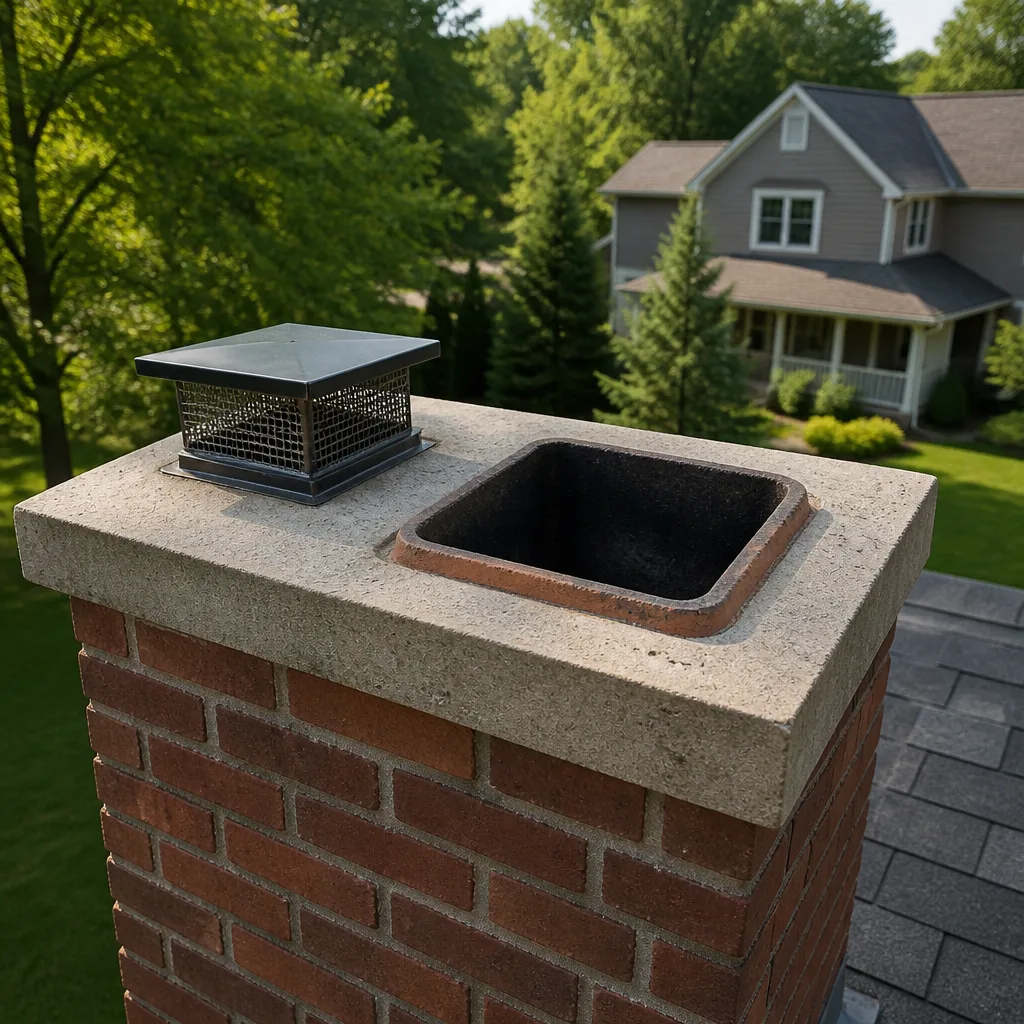 Sweep & inspection
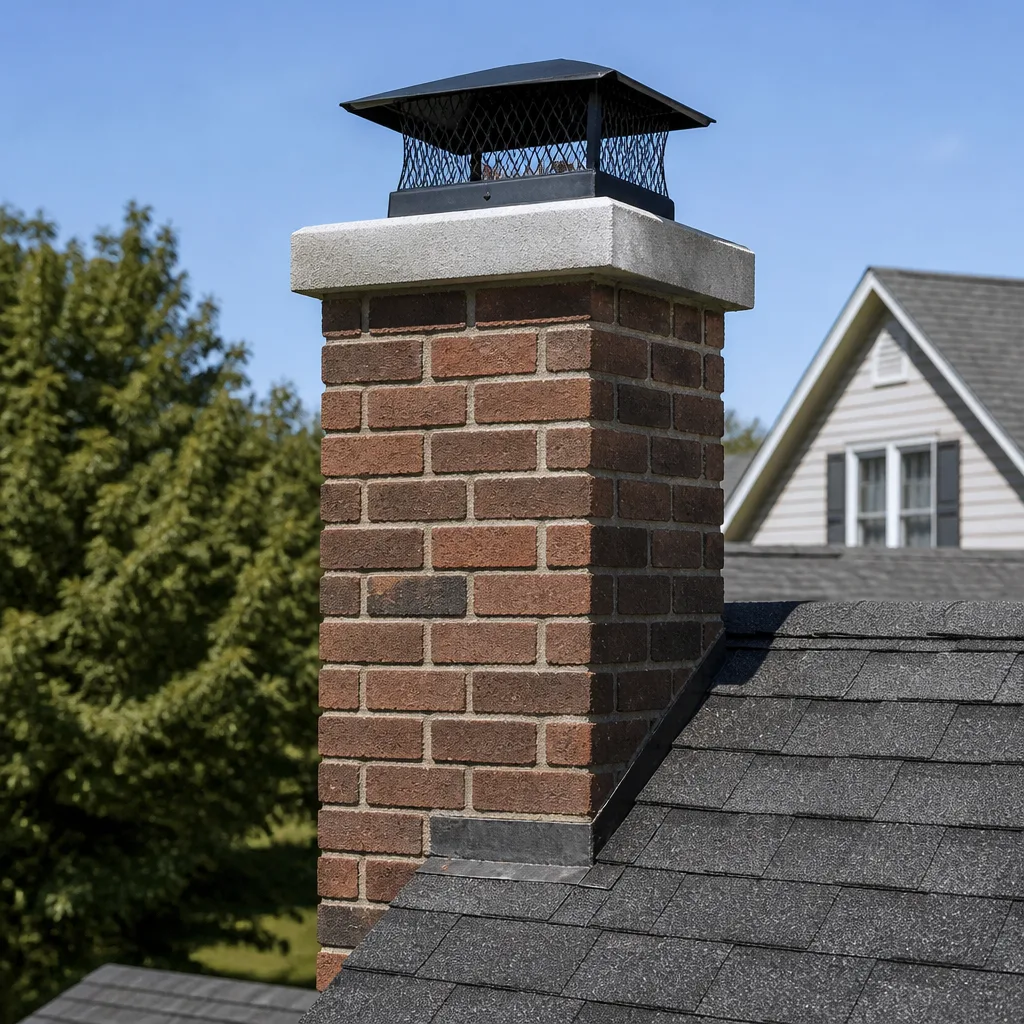 Caps & crowns
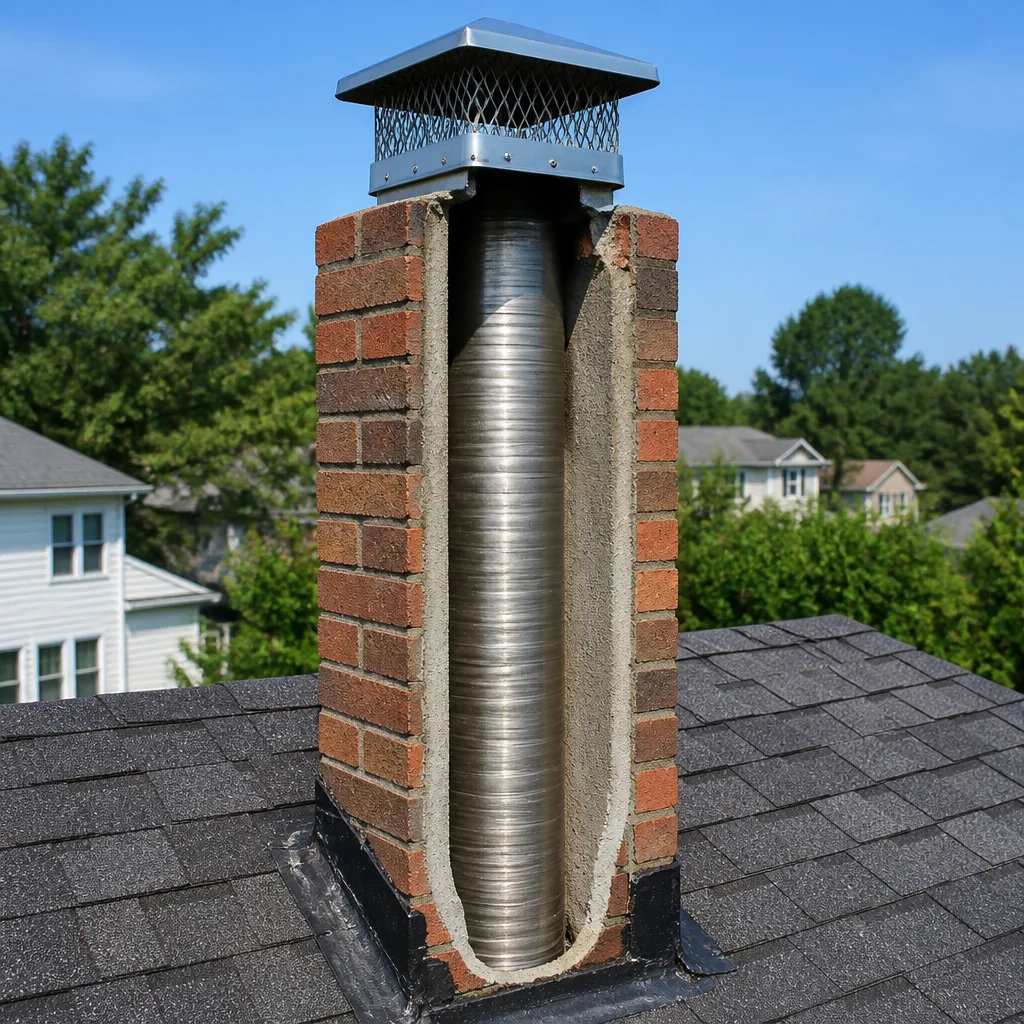 Flue relining
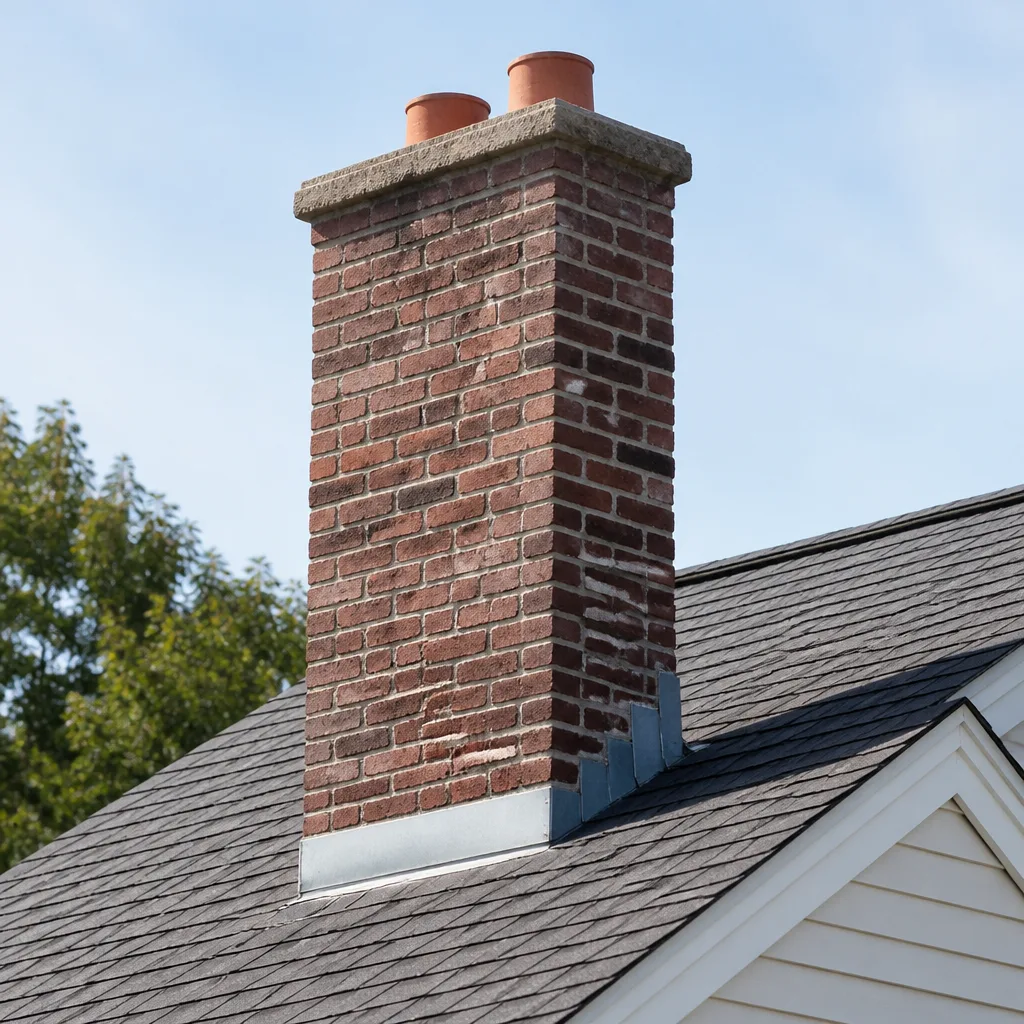 Masonry repair
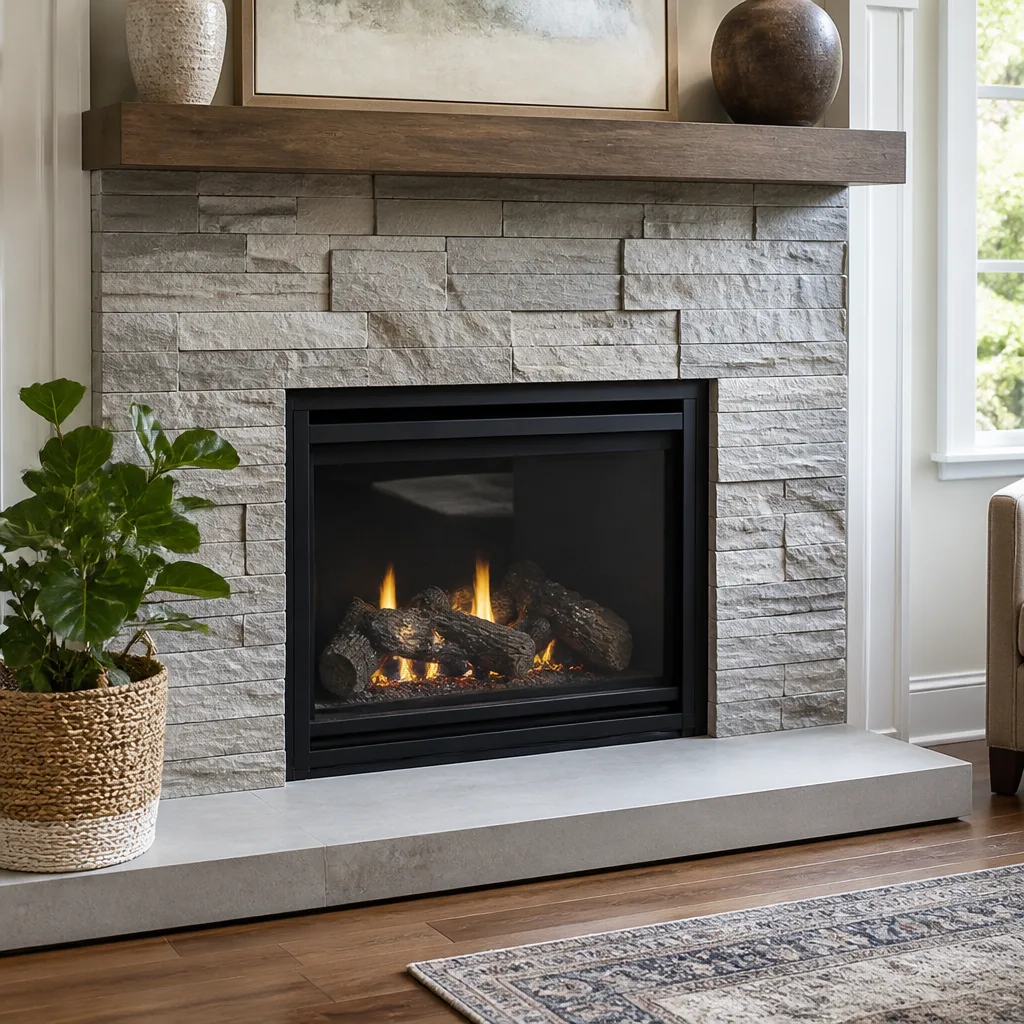 Gas fireplace service
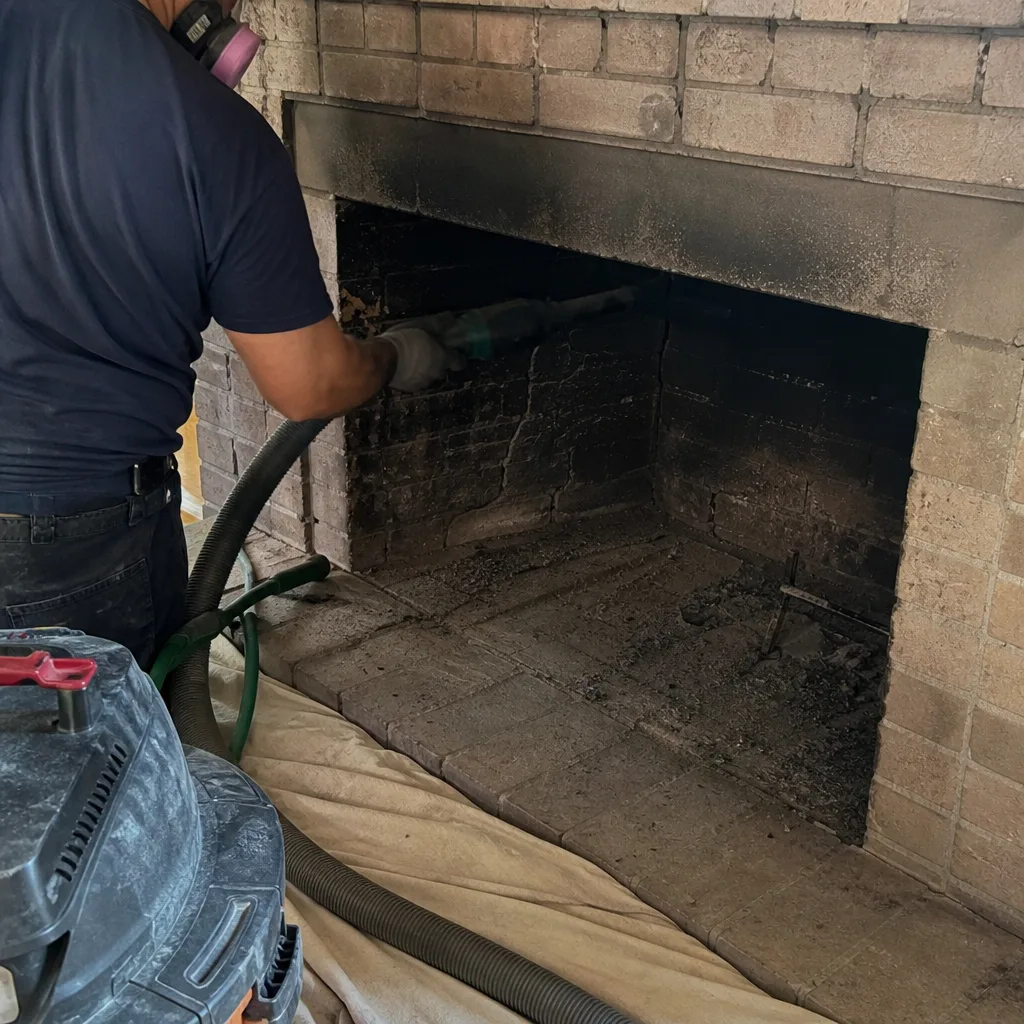
Level 1 sweep and inspection to the NFPA 211 annual standard - flue, crown, cap, and flashing checked and photographed
Chimney sweep logs do not sweep chimneys. They loosen some creosote - which then falls where a brush and vacuum still have to collect it.
Chimney Sweep Maintenance Schedule: What to Do and When
Most chimney care guides are written for a house that burns wood six months a year. That’s not Boca Raton. Here, a fireplace might see ten fires between November and February and then sit untouched through a hot, humid spring, summer, and fall. The national advice to “sweep once a year” isn’t wrong, but it misses the part that actually damages Florida chimneys: what happens during the long silence when nothing is burning. This guide lays out a maintenance calendar built around humidity and disuse rather than a northern burning season, covering what to check each month, which tasks you can honestly handle yourself, when a Level 2 inspection is warranted, and how to keep a record of your chimney’s condition that holds up for insurance and resale.
Quick Answer
The right maintenance schedule for most Boca Raton homes is two checkpoints a year: an inspection in late spring before the rainy season to catch water intrusion, and a sweep and inspection in October before the first burn. Heavy users who burn several cords a season need a sweep every year, while light users who light a handful of fires may need sweeping only every two to three years, though an annual inspection still applies. Between visits, you should periodically check the cap, operate the damper, and look for staining or rust.
Styles & brands we work with
- Sweep & inspection
- Caps & crowns
- Flue relining
- Masonry repair
- Gas fireplace service
Table of Contents
- Why a Florida Chimney Needs a Different Calendar
- The Two-Checkpoint Florida Schedule
- Month-by-Month: What to Check and When
- Minimum Inspection Triggers Based on How Much You Burn
- Inspection Levels: What Each One Actually Covers
- What You Can Check Yourself vs. What Needs a Pro
- How to Log Your Chimney’s Condition Over Time
- Common Mistakes to Avoid
- When to Call a Professional
- Frequently Asked Questions
Why a Florida Chimney Needs a Different Calendar
Chimney problems fall into two categories: the ones created by fire, and the ones created by everything that happens between fires. In cold climates, fire dominates. Heavy, frequent burning deposits creosote fast, and freezing weather puts the masonry through constant stress. In Boca Raton, the balance shifts. Homes burn far less, but the chimney spends most of the year exposed to warm, humid air, and that is where the real wear comes from.
Creosote is still a concern here, especially for anyone burning green or unseasoned wood, but the bigger issue over a typical year is moisture. A masonry chimney is porous. It absorbs humidity from the air and from rain that gets past a failing cap, cracked crown, or deteriorated mortar joint. Once water is inside, it moves through the brick and can reach the flue liner, the damper, and the firebox. Rusted dampers, spalling brick faces, and crumbling mortar are the visible end result. That process runs on the calendar of the wet season, not the burning season.
Most homes in Boca Raton also sit unoccupied for parts of the summer. A chimney that is never looked at between March and October can develop a leak or a loose cap and go unnoticed for months, and the damage compounds the whole time. That’s why the spring inspection matters as much as the fall one, arguably more. It’s the checkpoint that catches problems before the rain arrives and before they have a season to spread.
The fire-safety side is real and worth stating plainly. A blocked or damaged flue can push carbon monoxide back into a home, and a creosote-glazed flue can ignite. Neither problem announces itself. Both are found by looking. A maintenance schedule exists to make sure someone does the looking on a predictable rhythm rather than only after something smells wrong.
The Two-Checkpoint Florida Schedule
Two visits a year is the backbone of a workable schedule in South Florida. One falls before the rainy season, the other before the first cold snap. Here’s how each is structured.
- Late spring (May, before the wet season). This is the water-intrusion checkpoint. It includes a visual inspection of the chimney exterior, crown, cap, flashing, and mortar joints, plus a look down the flue. Any active leak, loose cap, or deteriorating crown gets addressed before the afternoon storms start. A camera inspection is appropriate if you saw water inside the firebox during the past season.
- Early to mid-fall (October, before first use). This is the fire-safety checkpoint. A full sweep clears whatever soot and creosote accumulated during the previous winter. A Level 1 inspection follows the sweep to confirm the flue, damper, firebox, and cap are ready for use. If it’s been more than two years since the last sweep, plan on a Level 2 inspection with a camera.
The two visits serve different purposes and shouldn’t be merged into one. A spring check is largely about the building envelope and the effects of humidity. An October check is about what happens when fire is reintroduced. Collapsing both into a single annual visit sounds efficient, but it means one of those two risks goes unaddressed for a full year.
For a home whose fireplace is decorative and never used, the schedule changes. You don’t need annual sweeps, but you still want an annual exterior and flue inspection, because moisture and animal nesting don’t care whether the fireplace is lit. A bird that built a nest in the flue over the summer becomes a carbon-monoxide and smoke problem the moment someone lights the first fire. The spring check catches that before fall.
Month-by-Month: What to Check and When
Here’s a practical calendar for a Boca Raton home that burns regularly during the winter. Light users can stretch the sweep years but should keep the inspection rhythm.
- January-February: Active burning season. Check that the damper opens and closes fully before each fire, and keep an eye out for smoke spilling into the room or a fire that’s slow to draw. Those are early signals of a partial blockage or a damper that’s not fully open.
- March: Last burns of the season. This is a good moment for a quick look at the firebox and flue for soot density. If there’s a heavy layer, note it. A sweep in late spring is easier to book than in the fall rush.
- April-May: The spring inspection. Check the cap, crown, flashing, and mortar joints from the roofline, then a look down the flue. Get any water intrusion fixed before the rainy season. This is also the ideal time for the sweep itself, because the flue dries out better in the low-humidity window than if you wait until summer.
- June-September: The dormant period, and the one most homeowners ignore. Check the firebox for signs of moisture (rust on the damper, efflorescence on the brick), and look at the chimney exterior after storms for new cracks or shift. If a hurricane or severe storm passes, do a visual check from a safe distance once the weather clears and call a professional if anything looks off.
- October: Pre-season visit. Sweep and inspect, and confirm the cap is secure and the flue is clear of summer debris (leaves, nests, or insects).
- November-December: Back to burning. Store firewood off the ground and covered, but not against the house, and burn well-seasoned wood.
The reason May and October get emphasized is that they bracket the humid off-season. What you do in May determines how much moisture damage happens June through September; what you find in October tells you whether that damage happened. Both checkpoints are useful, but only if you treat them as two separate decisions rather than a single annual appointment.
Minimum Inspection Triggers Based on How Much You Burn
Two houses on the same street can need very different schedules. A home burning five cords of hardwood a season is running the fireplace like a primary heat source, while a home that lights five fires a year is closer to a decorative fireplace with occasional use. The NFPA guidance to inspect annually applies to both, but the sweeping frequency and the depth of inspection should look different.
Here is a rough framework based on burn volume. Use it as a starting point, not a precise prescription; the actual condition of the flue depends on wood quality, chimney design, and whether the fireplace is a wood insert or an open hearth.
- Heavy use (4+ cords per season): Sweep annually, at minimum. Consider a Level 2 camera inspection each year if there is an insert or a long flue run. Heavily used chimneys accumulate creosote fast, and even a well-seasoned hardwood fire produces deposits.
- Moderate use (1-3 cords per season): Sweep every one to two years, with an annual Level 1 inspection. Check soot and creosote buildup at each inspection to adjust.
- Light use (a handful of fires per season): Sweep every two to three years, but keep the annual exterior and flue inspection. Light use is still enough to attract nesting animals and moisture, and it isn’t enough to burn off the buildup on its own.
- Decorative (essentially unused): No regular sweeping. Annual visual inspection and cap check remain important because disused flues attract nests and hold humidity.
Regardless of burn volume, certain events reset the clock. After a chimney fire, after a severe storm that compromises the cap or crown, after a change in fireplace appliance (adding an insert, changing venting), or after a home purchase, you should arrange an inspection before using the fireplace again. A Level 2 inspection with a camera is the right call in each of those cases because the change affects what you can see from the hearth.
If you’re unsure which category you fall into, the honest answer is to book one inspection and let the results decide. We’d rather tell you the flue looks fine and you don’t need a sweep for another season than push a service on a schedule that doesn’t match how you actually use your fireplace.
Inspection Levels: What Each One Actually Covers
The chimney inspection trade uses three defined levels, and understanding the difference is the difference between a sales pitch and a real diagnosis. Most homes need a Level 1 most years. A Level 2 is the right choice whenever something is changing or uncertain. A Level 3 is rare and specific.
- Level 1. A visual inspection of accessible parts of the chimney, firebox, and flue from the hearth and, if reachable, the roof. It’s appropriate for a chimney that’s in known usable condition with no changes since the last inspection. This is the standard annual visit.
- Level 2. Everything in Level 1 plus a video camera inspection of the flue interior. It’s the right inspection after a chimney fire, before a liner replacement, when changing an appliance or venting, when buying or selling a home, or when a problem is suspected but not visible from the hearth. It’s also the right choice if it’s been years since any inspection and there is no documented condition.
- Level 3. A detailed inspection that may involve removing parts of the chimney (a crown section or interior wall panel) when there’s a suspected hidden problem that a camera can’t reach. It’s uncommon and reserved for specific situations.
In our experience, the Level 2 is where most misconceptions live. Homeowners sometimes think it’s a separate, expensive service tacked onto a sweep. It isn’t. It’s the record of what’s actually inside the flue, and it’s what makes a repair recommendation legitimate. If a company is recommending liner work without showing you camera footage or a report, that recommendation has nothing behind it.
This is where specialization pays off. A generalist who can sweep but not diagnose has no choice but to guess, and a guess is either an unnecessary repair or a missed one. A company equipped to inspect, diagnose, and repair can show you the camera evidence and let the condition of the flue drive the recommendation. When you book a Chimney Sweep Boca Raton, ask for the camera documentation up front so there’s no surprise later.
What You Can Check Yourself vs. What Needs a Pro
Some chimney care is genuinely within a homeowner’s reach. Some of it is not, and pretending otherwise is how people get hurt or how small problems become expensive ones. Here’s the honest line.
Legitimate DIY checks:
- Opening and closing the damper to confirm it moves freely and seals.
- Looking up the flue from the firebox with a flashlight to spot obvious blockages, heavy soot, or nest material.
- Checking the firebox interior and hearth for cracks or loose bricks.
- Looking at the chimney cap from a safe vantage point at ground level (a cap that’s missing, loose, or has a damaged screen is a real problem).
- Checking for water stains on the ceiling or around the chimney, inside the house.
- Confirming the smoke detector and carbon monoxide alarms in the home are working.
Work that needs a professional:
- Getting on the roof to inspect or repair the crown, flashing, or cap. Rooftop work is a fall-risk job and should not be a homeowner project.
- Camera inspection of the flue. A camera is the only way to see the interior of a liner, an offset, or a bend, and the equipment and training are the reason professionals do this work.
- Any repair involving the flue liner, firebox masonry, or damper assembly. These are safety-critical components.
- Sweeping a flue that has significant creosote buildup. This should be a discussion with a professional first, because the right approach depends on the condition and the appliance.
If you do want to know whether your flue has an issue before committing to a visit, the safety move is to arrange a professional inspection with camera equipment. That’s the Level 2. You get a real answer rather than a guess, and it’s the only reliable way to know if the flue needs work. A generalist handyman with a brush can clean a straight run, but a camera is what confirms the liner is intact and the flue is actually clear.
How to Log Your Chimney’s Condition Over Time
A chimney doesn’t fail all at once. It changes slowly, and the changes only become obvious when you compare this year’s condition to last year’s. A simple log turns a series of isolated visits into a record, and that record has real value at two moments: when you file an insurance claim after a chimney fire or water damage, and when you sell the home and a buyer’s inspector asks about the chimney.
Here’s the record to keep. It doesn’t need to be elaborate; a folder or a note on your phone is enough.
- Date of each service and which level of inspection was performed. Note the level (1, 2, or 3) and whether a camera was used. This establishes the inspection history.
- What was found. Ask for the specific findings, not “all good.” Soot depth, condition of the flue liner, crown condition, cap condition, mortar joint condition. A photo or the camera footage itself is worth keeping.
- What was recommended and what was actually done. If a repair was recommended but deferred, log it, along with the reason. This is the documentation that shows you were taking care of the chimney when a future inspector asks.
- Burn volume and wood type for that season. A rough estimate of cords or fires and the kind of wood. This is what lets a professional compare buildup to use.
- Any weather events. A hurricane, a severe storm, or anything notable that could have affected the cap, crown, or flashing. Log the date, and note whether a visual check followed.
Two things worth adding. First, keep the camera footage. If a company recommends a liner replacement, the footage is the evidence. If you later need to prove a repair was legitimate or a prior condition existed, the footage is your proof. Second, ask for a written report after every inspection. A repair recommendation without a written report is a sales call, and a written report is what makes it a diagnosis. In our experience, the homes that have a log are the ones where repair decisions get made once and correctly, rather than twice.
For a Boca Raton home that sits empty for part of the year, the log also helps answer a specific question: was there water intrusion during the off-season? If the spring report shows a dry firebox and the fall report shows rust on the damper, the timeline is clear, and that timeline is what a good repair plan is built on. We work in chimney repair with products like HeatShield resurfacing to address liner deterioration without a full teardown, but the decision to use that path still starts with the record of what changed and when.
Past the log itself, the value of the camera documentation becomes clear in specific repairs. When a flue interior has deteriorated in a way that can be resurfaced rather than rebuilt, HeatShield is the option we use, and the footage is what justifies it. When the flue has offsets or bends that a rigid liner can’t follow, a flexible DuraFlex system accommodates the geometry where a straight liner wouldn’t. The point is not the product name; the point is that the repair is chosen from the evidence, not the other way around.
Common Mistakes to Avoid
- Treating sweeping as a substitute for inspecting. A sweep cleans; it doesn’t diagnose. A chimney can look clean and still have a cracked liner or a blocked cap. Every service visit in this climate should include an inspection of the flue, not just a brush.
- Skipping the spring check because it’s hot outside. The humid off-season is precisely when water intrusion does the most damage in Boca Raton, and it’s when nobody is thinking about the fireplace. The May visit is arguably the more important of the two for a South Florida home.
- Burning unseasoned or green wood to save a few dollars. Wet wood produces far more creosote than seasoned hardwood and deposits it faster. In a low-use climate, a small amount of bad wood can still leave a meaningful coating because the fire never burns hot enough to burn it off.
- Ignoring a loose or damaged cap. A missing cap screen is the fastest route to a bird nest, a bat colony, or wind-driven rain inside the flue. Check it before the rainy season and after any storm, and have it replaced as part of a visit rather than a separate project.
- Assuming the chimney is fine because it hasn’t been used. A disused flue still collects nests and moisture. Some of the worst flue conditions we see are in homes that haven’t lit a fire in two years.
- Accepting a repair quote without camera evidence. If a company tells you the liner needs work but can’t show you the footage or a written report, don’t accept it. Ask for the documentation, and if it isn’t provided, get a second opinion. This protects both your wallet and your safety.
- Letting the annual inspection lapse to “when it’s convenient.” The schedule only works if it’s actually kept. The annual inspection is the cheapest, lowest-risk part of chimney care; skipping it to save on a visit is the opposite of cost-effective.
When to Call a Professional
Call a professional for anything beyond a visual check you can safely do from the ground or the hearth. That includes: a smoky fire that doesn’t draw properly, smoke spilling into the room, a smell of soot or creosote in the house when the fireplace isn’t in use, visible water staining on the ceiling or walls near the chimney, a chimney cap that’s missing or damaged, a damper that won’t open or close, obvious cracks in the firebox masonry, rust inside the firebox, a suspected animal nest in the flue, and any history of a chimney fire. Also call if you’ve just bought the home and don’t have a documented inspection, or if it’s been more than two years since the last one, because that’s the point at which a Level 2 camera inspection is the right starting point. Keep in mind that our technicians have up to 14 years of experience reading exactly these conditions, and the inspection is structured to identify specific deficiencies rather than to generate a sales list. If you’re in or near Boca Raton and want a straight answer on your chimney’s condition, chimney sweep and inspection are the two services that get you there. Chimney Sweep Boca Raton offers free estimates in Boca Raton. Call (877) 685-2248. We answer 24/7. Fast dispatch from 7am to 7pm, Sunday through Friday.
Frequently Asked Questions
Light users in Boca Raton should sweep every two to three years, moderate users every one to two years, and heavy users (four or more cords a season) every year, with an annual inspection in every case. The main variable is how much you burn and how much creosote builds up, so ask for the flue condition report at each inspection and use it to adjust the interval. Call (877) 685-2248 for a free estimate on a sweep and inspection.
Yes, but the inspection matters for different reasons than it does for a heavy user. A lightly used chimney still collects moisture, nesting material, and animals, and a disused flue can hide problems that go unnoticed for a full summer in Boca Raton’s humidity. An annual visual inspection is cheap; a flue full of debris or a rusting damper found after months is not. Call (877) 685-2248 for an inspection estimate.
Skipping maintenance over several years typically leads to one of two outcomes: creosote accumulation that raises the risk of a chimney fire, or moisture damage to the crown, mortar, and flue that turns a small repair into a larger one. Neither announces itself early, which is why the annual inspection exists. Call (877) 685-2248 to get a current condition report before the next burning season.
Not usually, if last year’s Level 2 inspection was clean and nothing has changed. A Level 2 is warranted when there’s a change: a new appliance, a suspected creosote problem, a chimney fire history, a home purchase or sale, or a gap of two or more years since the last inspection. If none of those apply, an annual Level 1 inspection is the right level. Call (877) 685-2248 if you’re unsure which level you need.
You can perform basic checks like operating the damper, looking up the flue from the hearth, and checking the firebox, but sweeps and camera inspections are best done by a professional, mainly because the camera view is what reveals liner problems that cleaning can’t. Roof access is a separate safety risk that shouldn’t be a homeowner task. If you’d rather have a documented inspection and sweep, call (877) 685-2248 for a free estimate.
It depends on the damage. For liner interiors that have deteriorated in a way that can be restored, we use HeatShield resurfacing, which can restore many damaged flue tiles without a full teardown. For flues with offsets or bends that a rigid liner can’t follow, we use a flexible DuraFlex system. We also install caps and venting corrections with Gelco and Famco, and we carry Olympia Chimney and Copperfield components as part of the repair toolkit. The repair is chosen from the camera evidence and the written report, so nothing is recommended without documentation. Call (877) 685-2248 for a free estimate.
The Bottom Line
A chimney maintenance schedule for a Boca Raton home is not the same as one written for a house in New England. Two checkpoints matter most, one in late spring before the rainy season and one in October before the first burn, and the summer in between is when water damage builds up unnoticed. Match the sweeping interval to how much you actually burn, keep a written record of every inspection, and use camera evidence to justify any repair. That’s the schedule that protects both your home and your wallet. If you want a documented inspection, a sweep, or an honest repair recommendation, Chimney Sweep Boca Raton can help. Written by the team at Chimney Sweep Boca Raton.
See the difference
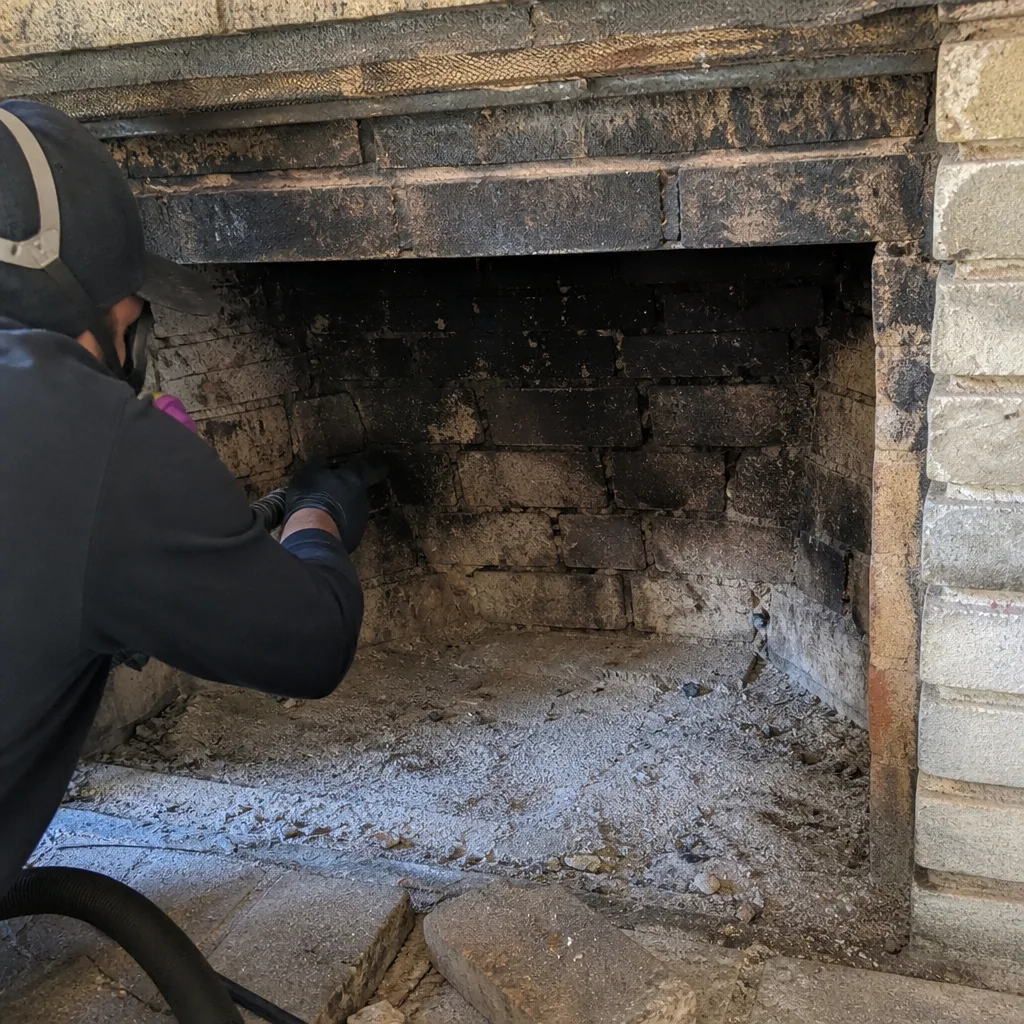 Before
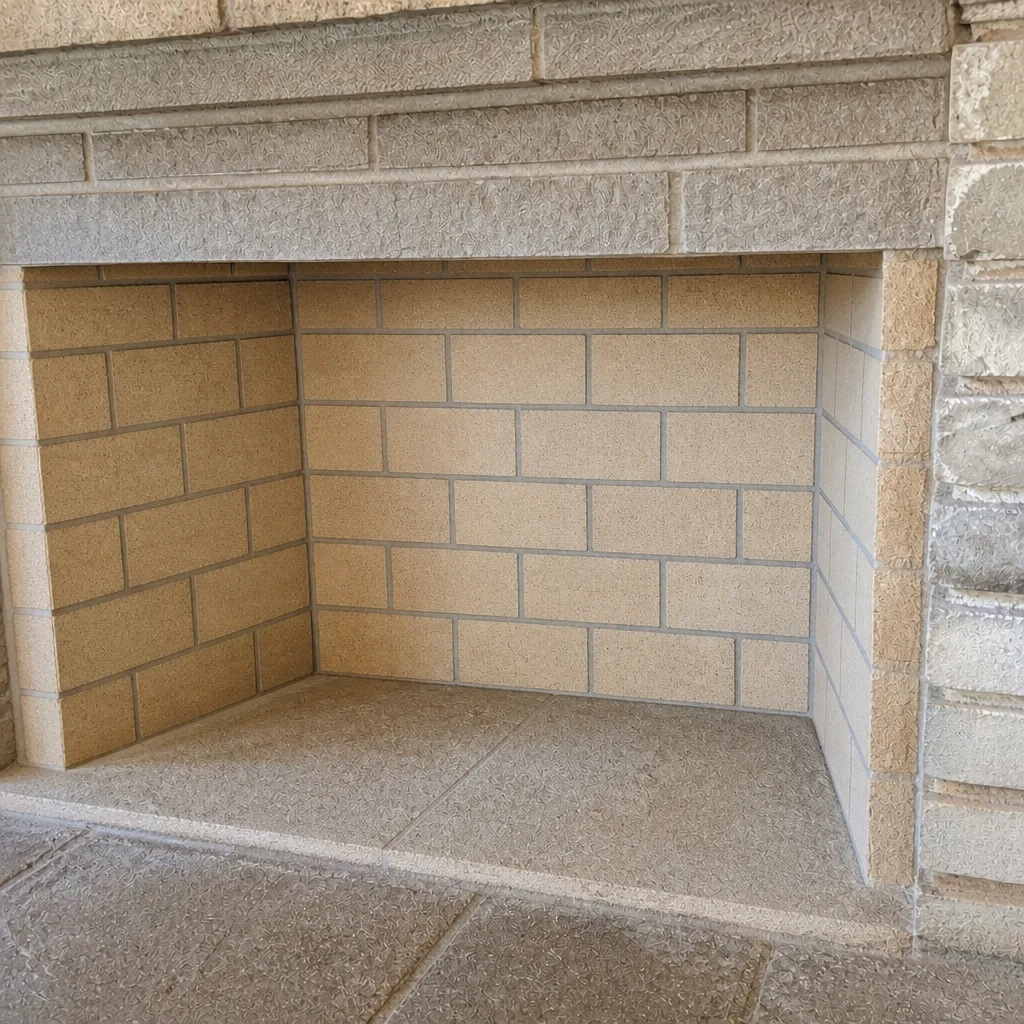 After
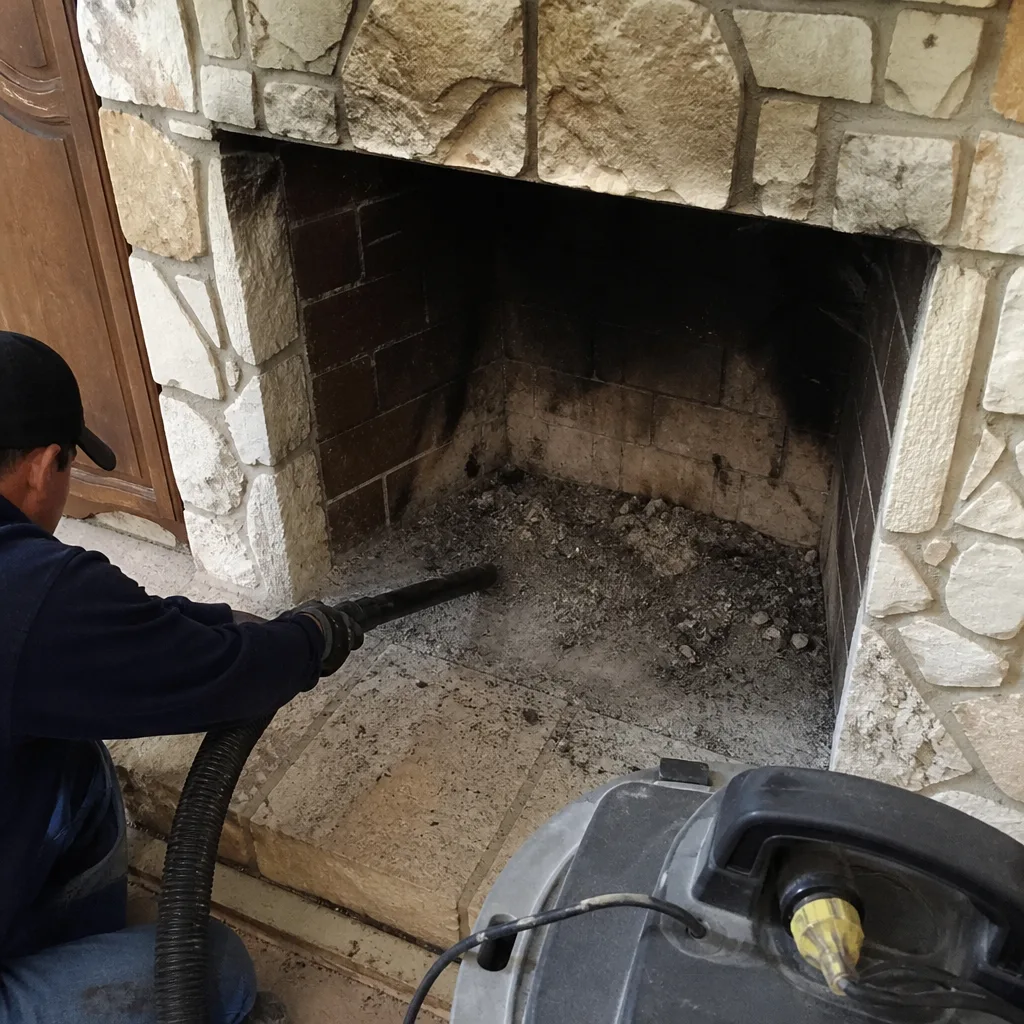 Before
 After
 Before
 After