
Last updated November 16, 2026
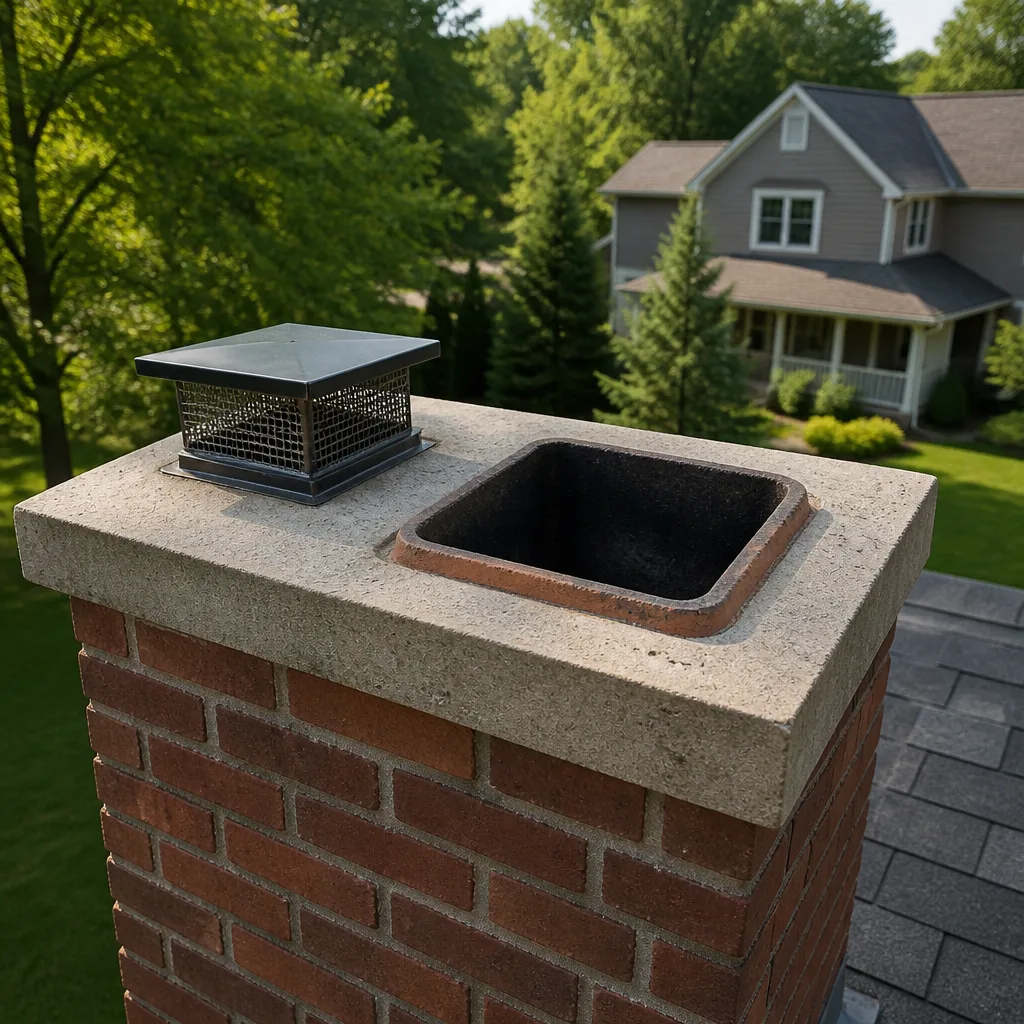 Sweep & inspection
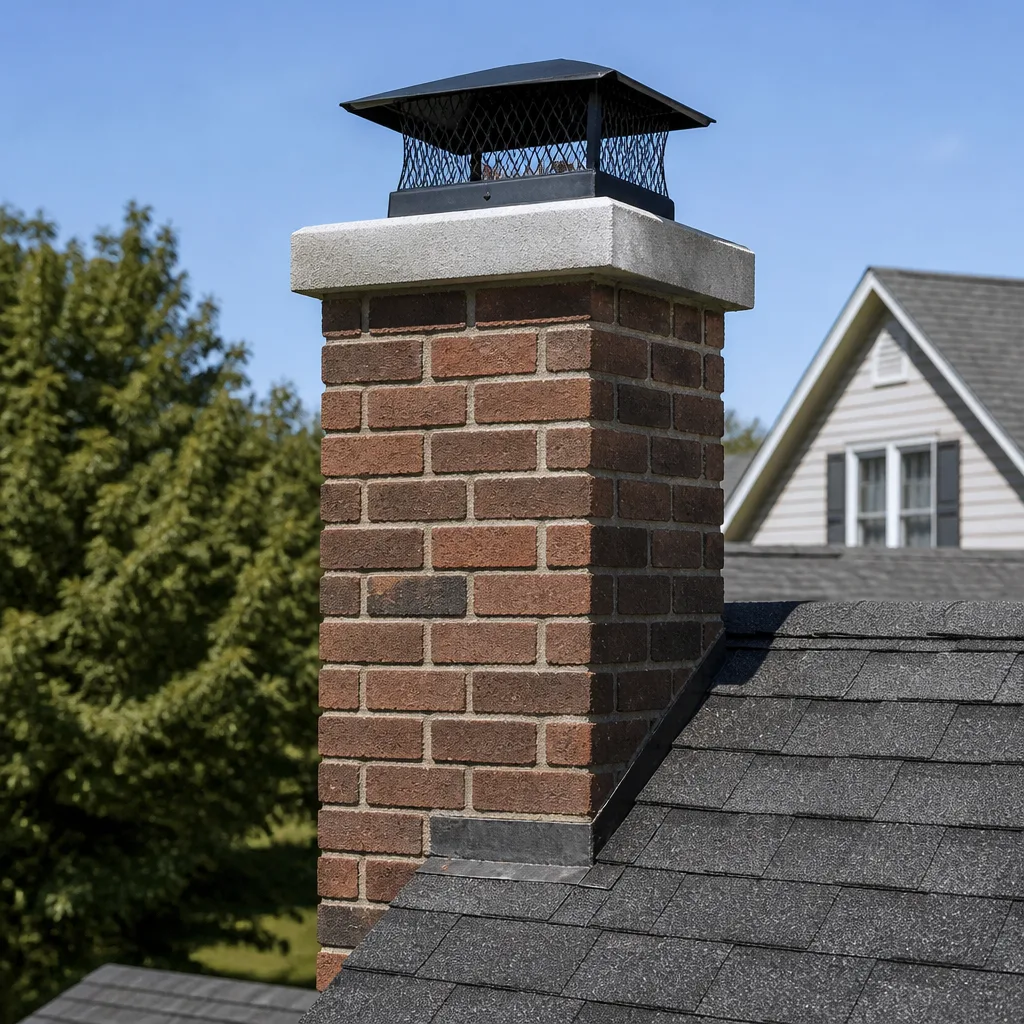 Caps & crowns
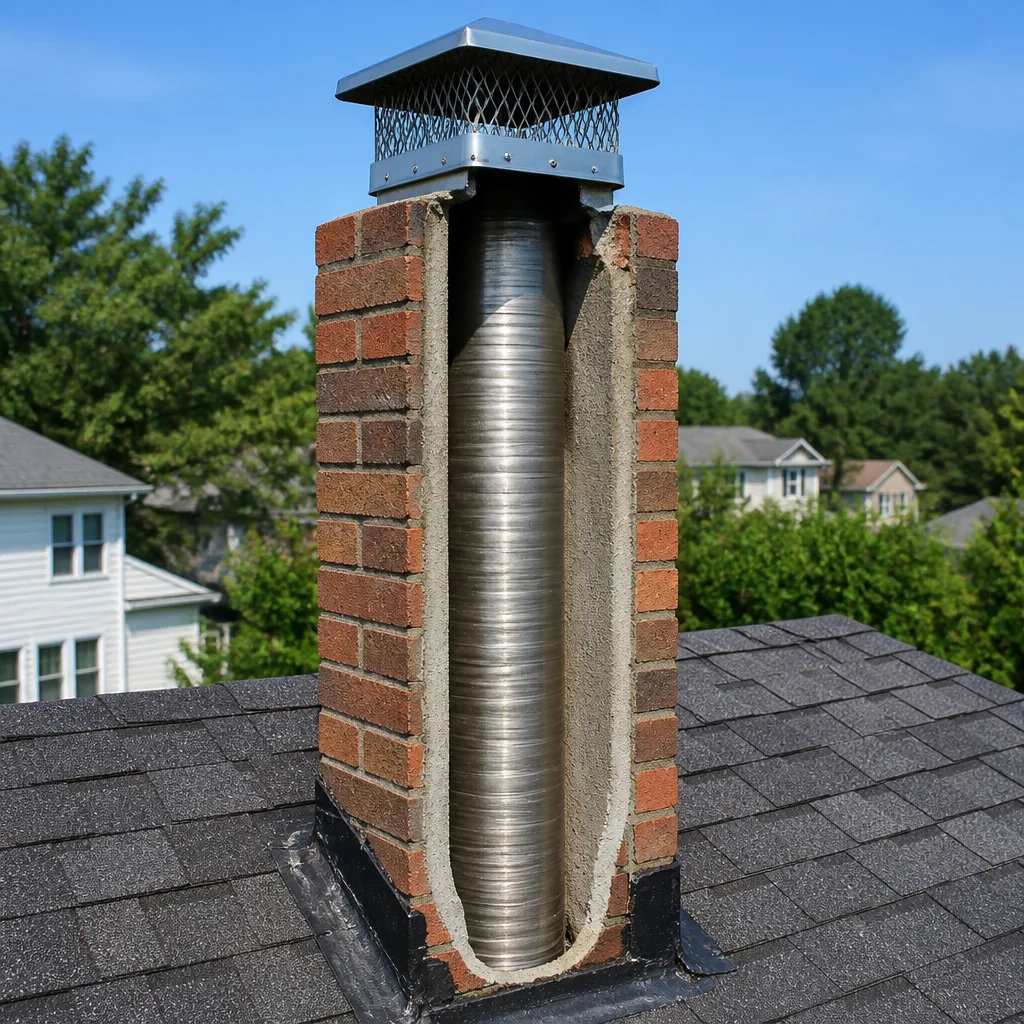 Flue relining
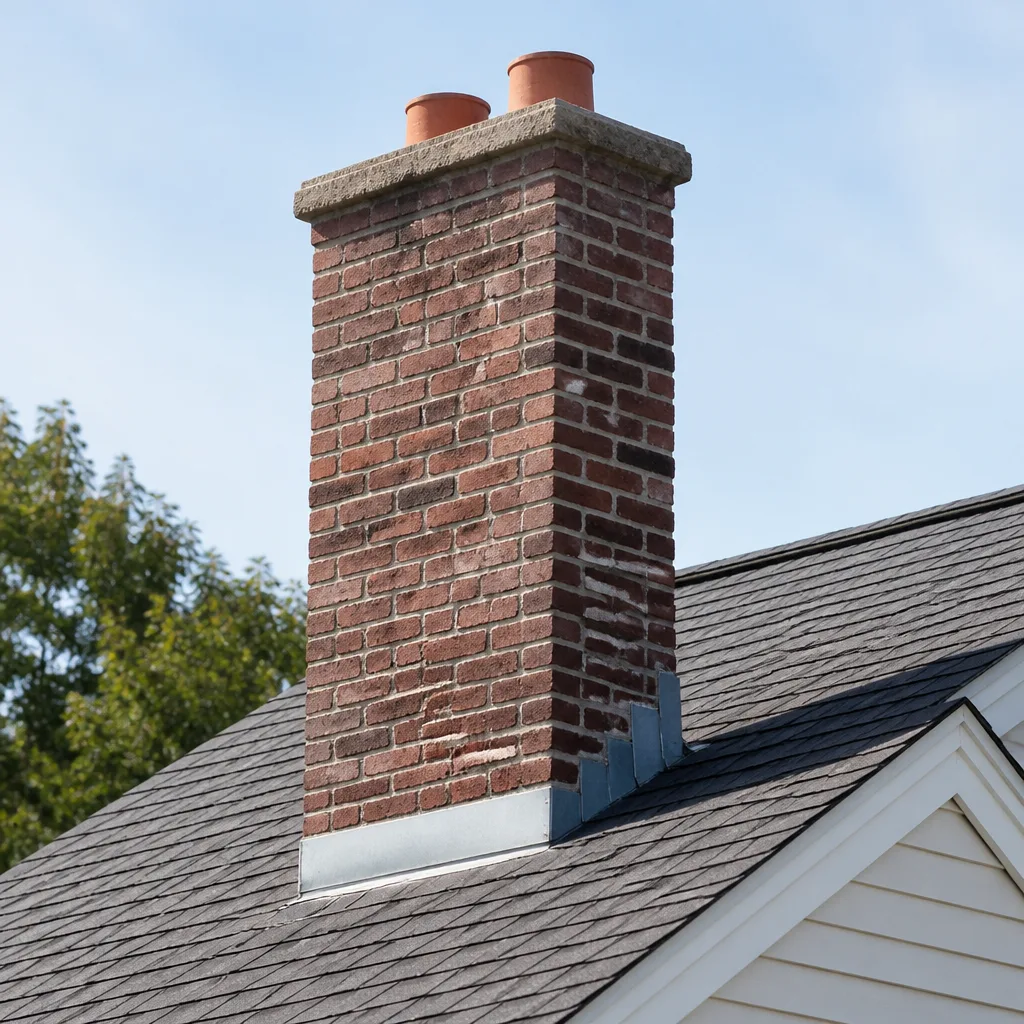 Masonry repair
 Gas fireplace service
Level 1 sweep and inspection to the NFPA 211 annual standard - flue, crown, cap, and flashing checked and photographed
Chimney sweep logs do not sweep chimneys. They loosen some creosote - which then falls where a brush and vacuum still have to collect it.
Choosing the Right Chimney Cleaning Brand: A Buyer’s Guide for Boca Raton
When a technician says they’re going to reline your flue, the material they reach for decides whether that repair lasts like it should or gives out early. Most homeowners can’t tell a professional-grade stainless liner from a cheaper alternative until the cheaper one fails. That gap in knowledge is where bad work hides. This guide closes it. We’ll walk through the supply brands that sit behind a serious chimney company, what each product category actually does, and how to read a contractor’s material choices as a signal of their training and their supplier relationships. You’ll finish knowing what to ask and how to judge the answer, which matters whether you’re in a 1980s Boca Raton ranch house or a newer build off Clint Moore Road.
Quick Answer
The right chimney brand to look for isn’t a cleaning company’s logo, it’s the materials behind the work: professional supply brands like DuraFlex, HeatShield, Gelco, Olympia Chimney, Famco, and Copperfield. A company that buys liner, cap, and resurfacing products through professional chimney channels trains differently and repairs differently than one sourcing generic parts. Ask which brands they use for liner, cap, and sealant, and whether they can resurface a flue instead of only replacing it. Those two questions separate specialists from sweep-and-walk-away operations in Boca Raton and anywhere else.
Styles & brands we work with
- Sweep & inspection
- Caps & crowns
- Flue relining
- Masonry repair
- Gas fireplace service
Table of Contents
- Why Chimney Brands Matter More Than the Cleaning Itself
- The Professional Brands, Mapped to What They Do
- What a Company’s Material Choices Reveal About Its Training
- Red Flags in Material Selection
- How to Ask a Contractor About Materials (Without Knowing the Specs)
- HeatShield Resurfacing vs. Full Teardown: How to Judge the Recommendation
- What Boca Raton Conditions Do to Chimney Materials
- Common Mistakes to Avoid
- When to Call a Professional
Why Chimney Brands Matter More Than the Cleaning Itself
A chimney sweep visit is mostly labor. The brush, the vacuum, the drop cloths, the care taken with your floors. Any competent crew can do that part. The repair visit is different, because that’s where materials get installed and where the real money and risk live. A liner, a cap, a resurfaced smoke chamber: these are products, and products have brands, specifications, and quality tiers. When a company reaches for a professional-grade product, it’s telling you something about how it thinks.
Here’s the logic in plain terms. Companies that buy from professional supply channels pay more and commit to a standard. Companies that source from the hardware store buy what’s on the shelf, which may be perfectly fine for a DIY project and not fine for a flue that carries combustion gases out of a house. The brand name on the box is a proxy for the decision-making behind it.
In our experience, this distinction shows up most clearly in two places: the liner and the top of the chimney. A flexible stainless liner from DuraFlex is engineered to handle bends and offsets and to last. A cap from Gelco or Olympia Chimney is made to fit the flue, keep out water and animals, and allow proper venting. A company that specifies these products isn’t being fancy. It’s doing the job in a way that holds up.
Boca Raton homeowners who use their fireplaces on the handful of cool evenings the year gives us tend to think about the chimney once, in the fall, and forget it. That’s normal. The problem is that a chimney doesn’t announce its problems. The brand of material behind the last repair often determines whether the next inspection finds a sound flue or a failing one.
The Professional Brands, Mapped to What They Do
You don’t need to memorize brands, but knowing the categories helps you follow a contractor’s answer. Here’s the plain-language map of what professional chimney supply brands cover.
- DuraFlex – flexible stainless steel liner systems. These are the workhorses for relining a flue, especially a chimney with bends, offsets, or a non-straight path where a rigid liner won’t fit. DuraFlex is what you want named when a contractor talks about relining.
- HeatShield – a resurfacing compound applied to deteriorating flue tiles and smoke chambers. It’s a repair path that can restore a damaged interior without tearing out and rebuilding the whole chimney. We use HeatShield to resurface damaged flue tiles without a full teardown.
- Gelco – chimney caps, top-sealing dampers, and related top-of-chimney products. A cap sourced from Gelco is a proper fit for the vent, not a loose universal cover.
- Olympia Chimney – another professional line for venting and chimney products, including caps and related components. When a contractor names it, they’re buying from a chimney-specific channel.
- Famco – caps and venting components that let a company seal and protect the top of the chimney as part of the same visit.
- Copperfield – professional chimney products used in the same repair and protection work.
What’s useful here is that each brand maps to a job stage. Liner. Interior resurfacing. Top-of-chimney protection. A company with all three categories available to it can diagnose and repair in the same service relationship, rather than sweeping and then handing you off to somebody else. That single-source accountability is the quiet reason this matters. When the sweep, the inspection, and the repair are one relationship, nobody points at the other vendor when something fails.
If you’re scheduling a sweep in Boca Raton, ask which brand family they reach for on liner and cap work. A vague answer is information.
What a Company’s Material Choices Reveal About Its Training
The supply brand behind a repair is a training document you can read. A company that buys professional-grade materials has had to learn how to install them, which means manufacturer guidance, specification sheets, and the small details that keep a liner seated or a cap sealed. A company that buys generic parts never has to learn those details, because the parts don’t demand them.
Consider the liner. Installing a flexible stainless DuraFlex system correctly isn’t a matter of sliding it down and calling it done. The flue has to be cleaned and evaluated first, the size has to be calculated against the appliance, and the connection at the top and bottom has to be right. A company that knows this will talk about it, briefly and without drama, because it’s part of the job. A company that doesn’t will skip past it.
Consider the cap. A cap from Gelco or Famco is sized to the flue and made to vent properly. It keeps out rain and wildlife and helps the chimney breathe. A loosely fitted universal cap does part of that job and can create other issues. The brand tells you which conversation the company is having.
Then there’s our own team. Our technicians have up to 14 years of experience, which matters because the difference between a resealed smoke chamber and a failed one often comes down to hands that have done the work before. Experience plus professional-grade materials is the combination that produces repairs that hold.
For a Boca Raton homeowner, the practical takeaway is simple: the brand behind the work tells you how carefully the company was trained to install it. That’s a more reliable signal than a sales pitch.
Red Flags in Material Selection
Some answers should make you pause. Not because the company is necessarily bad, but because they suggest the work is being priced down rather than done right. Watch for these.
- “We use whatever’s available.” A company that can’t name a product category for a liner, cap, or sealant hasn’t committed to a standard. That’s a price-driven approach, and the material reflects it.
- No liner gauge or specification. Proper liner work has a thickness and specification tied to the flue and the appliance. A contractor who can’t tell you what they’d install, even in general terms, hasn’t thought about it.
- Only one repair option offered. If every damaged flue gets the same recommendation, the diagnosis isn’t real. There should be a conversation about whether resurfacing or replacement fits the actual condition.
- Vague sealant and cap answers. “We’ll seal it up” is not an answer. Professional-grade caps and sealants come from named suppliers, and a specialist will say so.
- Inspection that reads like a sales script. A real inspection identifies specific deficiencies. If the report is a list of everything that could go wrong rather than what’s actually wrong, the material choices probably aren’t the only thing being inflated.
- Reluctance to show you what they found. A company confident in its materials and its diagnosis will show you the evidence. A company that won’t is asking you to take it on faith.
We’ve seen these patterns enough to know they cluster. When a contractor is vague about the liner, they’re often vague about the cap and the sealant too, because the underlying decision is the same one: buy cheap, bill the job. In Boca Raton, where the fireplace season is short and the stakes are fire and carbon monoxide, that’s the wrong trade.
How to Ask a Contractor About Materials (Without Knowing the Specs)
You don’t need to know the difference between two liner alloys to get a useful answer. You need the right questions, asked in the right order. Here’s a short sequence that does the work.
- Ask which brands they use for liner, cap, and resurfacing work. You’re listening for professional chimney supply names, not “we get it locally.” If they name DuraFlex, HeatShield, Gelco, Olympia Chimney, or Famco, that’s a good sign. If they can’t name anything, that’s your answer.
- Ask whether they can resurface a damaged flue instead of only replacing it. A company with HeatShield capability has a repair path that avoids a full teardown in some cases. A company that only replaces is telling you its range.
- Ask what they’d install and why, in general terms. A specialist will describe the reasoning: the flue condition, the appliance, the venting needs. A generalist will describe the price.
- Ask them to show you what they found before recommending work. Any company doing an inspection should be able to point to the specific deficiency that drives the recommendation. If it can’t, the recommendation isn’t grounded.
- Ask when the work can wait. A confident company will tell you plainly when a repair can safely be deferred. A company that says everything is urgent is selling, not diagnosing.
That sequence works because it’s about judgment, not jargon. You’re asking the contractor to demonstrate how they think. If you’re in Boca Raton and want to start with a chimney sweep and inspection, the same questions apply before any repair is discussed.
HeatShield Resurfacing vs. Full Teardown: How to Judge the Recommendation
This is the decision that separates a specialist from a demolition crew. A deteriorating flue interior can sometimes be restored with HeatShield resurfacing, which applies a repair compound to the damaged tiles and smoke chamber. That’s a real repair path that avoids a costly full rebuild. A different company might recommend a full teardown for the same chimney. How do you tell which recommendation fits your actual condition?
Start with the evidence. A proper inspection identifies specific deficiencies: cracked tiles, gaps in the smoke chamber, deterioration at a joint. Those findings should be visible and explainable. If the recommendation is “full rebuild” but nobody can point to the failures driving it, that’s a signal the diagnosis is thin.
Next, ask whether resurfacing was considered. A company with HeatShield capability can explain why it would or wouldn’t apply. Sometimes it won’t, because the damage is too extensive or the flue isn’t a candidate. That’s a legitimate answer. But the consideration should be on the table, and you should understand why the answer went the way it did.
Then ask about the alternative. If a full teardown is recommended, what happens to the flue in the meantime? Can the work wait a season? What are the risks of waiting? A specialist will answer these plainly and tell you when work can safely be deferred.
In Boca Raton, where the chimney gets less use than in cold climates, the case for careful diagnosis is strong. A flue that sees a few fires a year may still be a fire and carbon-monoxide risk if it’s damaged, and it may also be a good candidate for resurfacing rather than replacement. The recommendation should fit the condition, not the company’s preferred scope of work.
What Boca Raton Conditions Do to Chimney Materials
Boca Raton’s climate is mild, and that shapes what chimney materials face. Winters don’t bring the hard freezes that crack masonry in colder regions, but the rainy season and year-round humidity put a steady load on the top of the chimney and on anything that lets water in. A cap that fits and vents properly matters more here than a seasonal freeze ever would.
Moisture is the quiet enemy. A cap that’s loose or improperly sized lets rain in. A top-sealing damper that isn’t fitted right does the same. Over time, water at the top of the flue can work down and cause deterioration that shows up in an inspection as cracked tiles or a failing smoke chamber. Professional-grade caps from Gelco or Famco are made to fit and seal, which is why the brand of the cap is worth asking about in a place where rain is the bigger test than cold.
The humidity also means a chimney that sits unused for months can hold moisture in masonry and flue materials. That’s one reason an annual inspection matters even when the fireplace hasn’t seen much use. The chimney doesn’t need a hot fire to develop problems; it needs time and moisture.
For a Boca Raton homeowner, this points to a practical priority: protect the top, inspect regularly, and use materials that are made for the job. A liner from DuraFlex and a cap from a professional supplier are designed to handle what the climate throws at them. Generic alternatives may not.
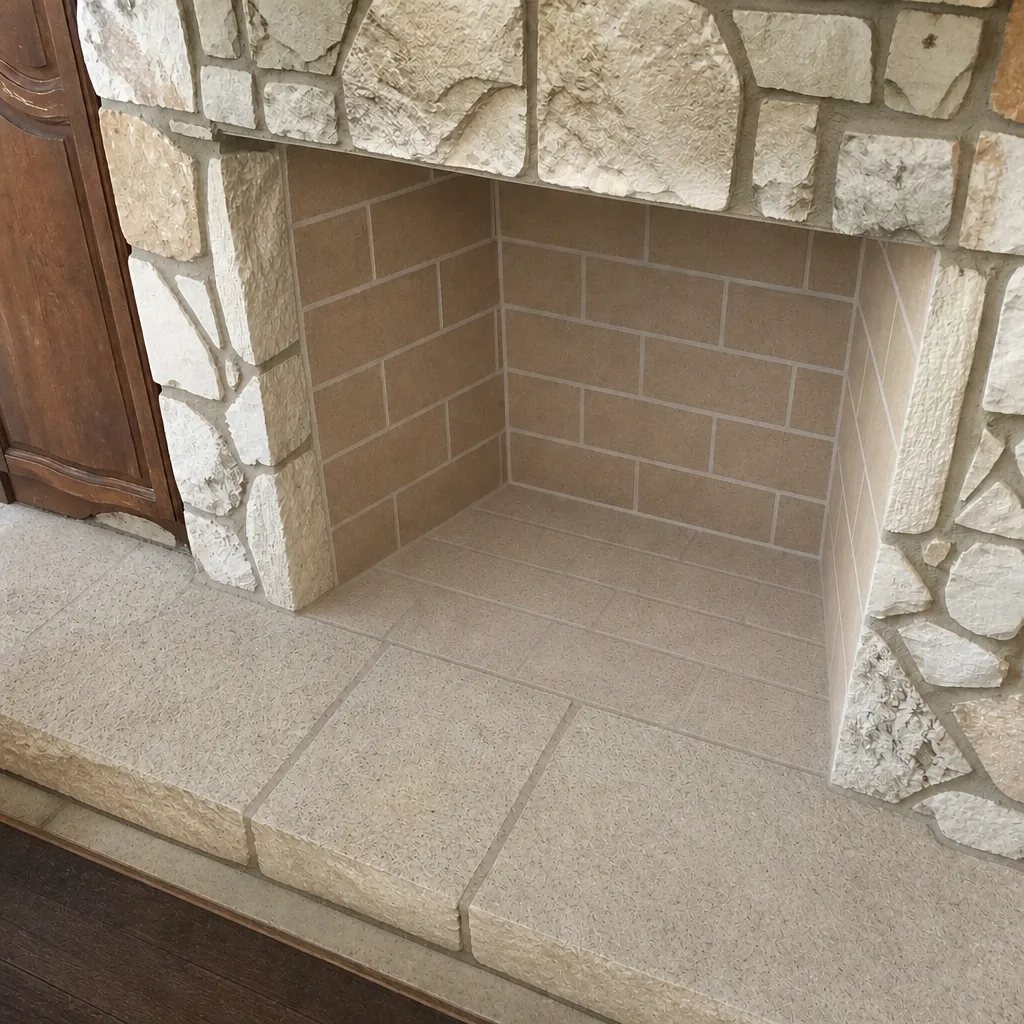
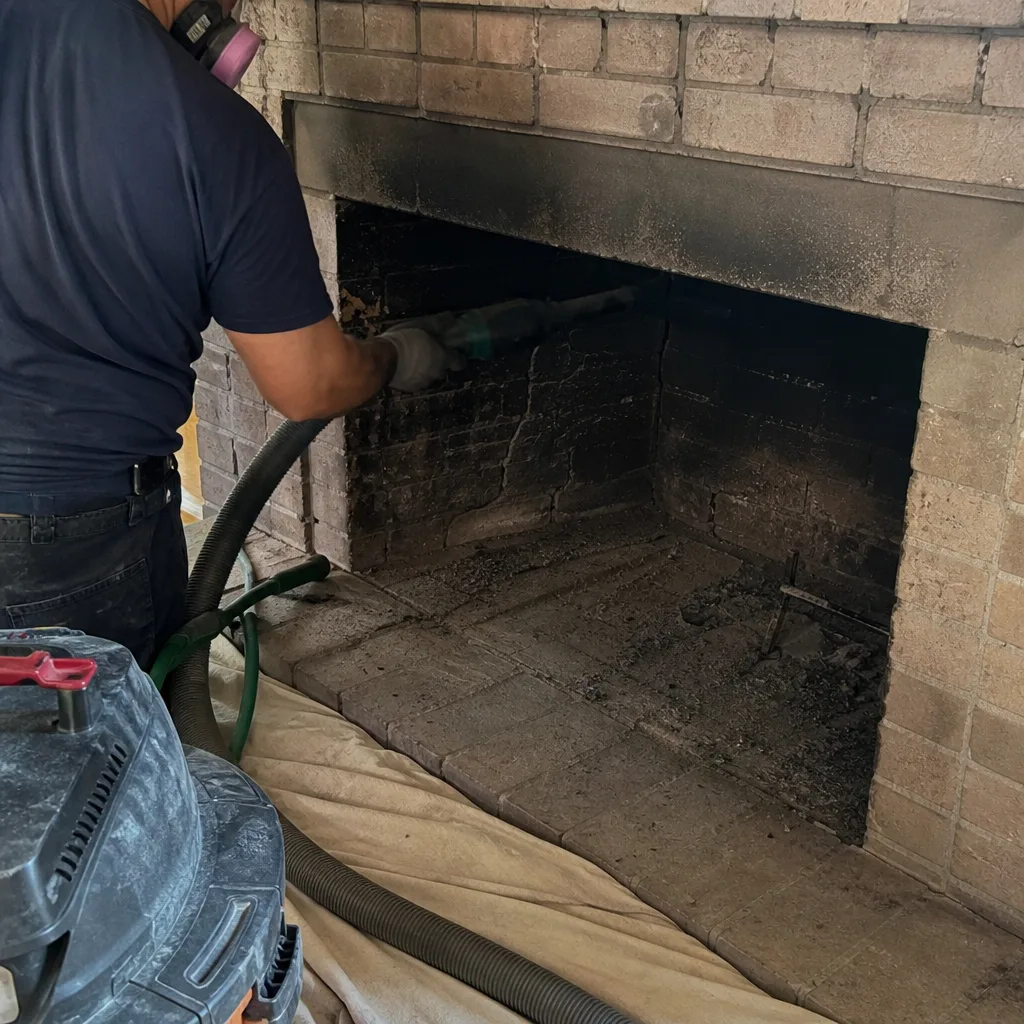
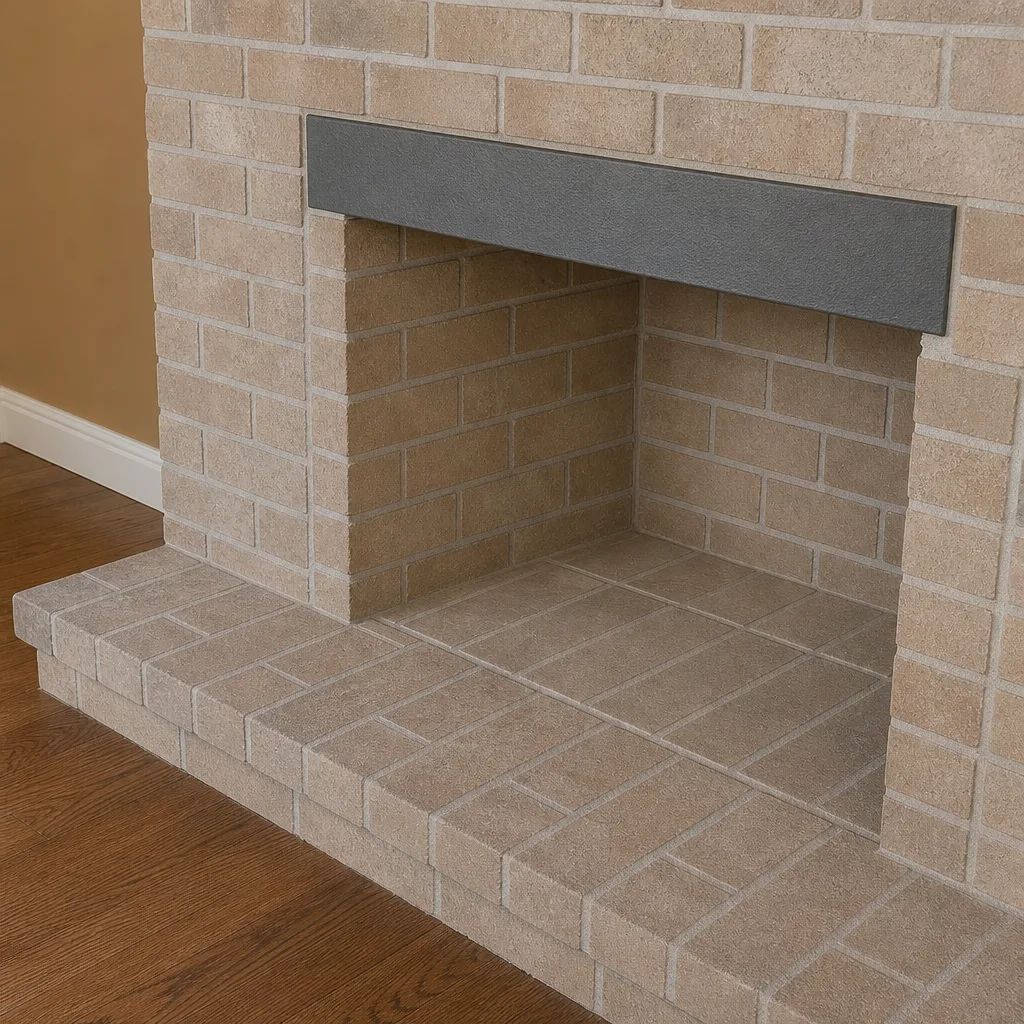
See the difference
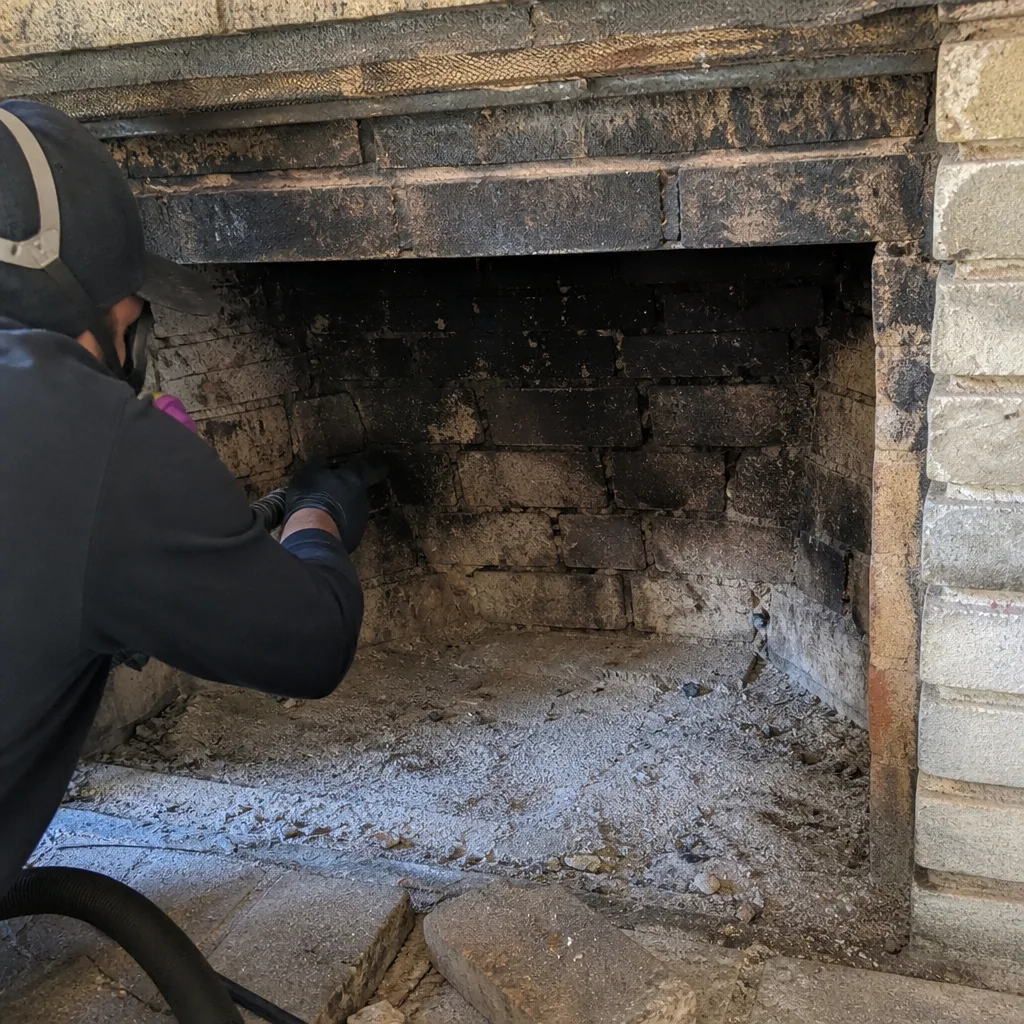 Before
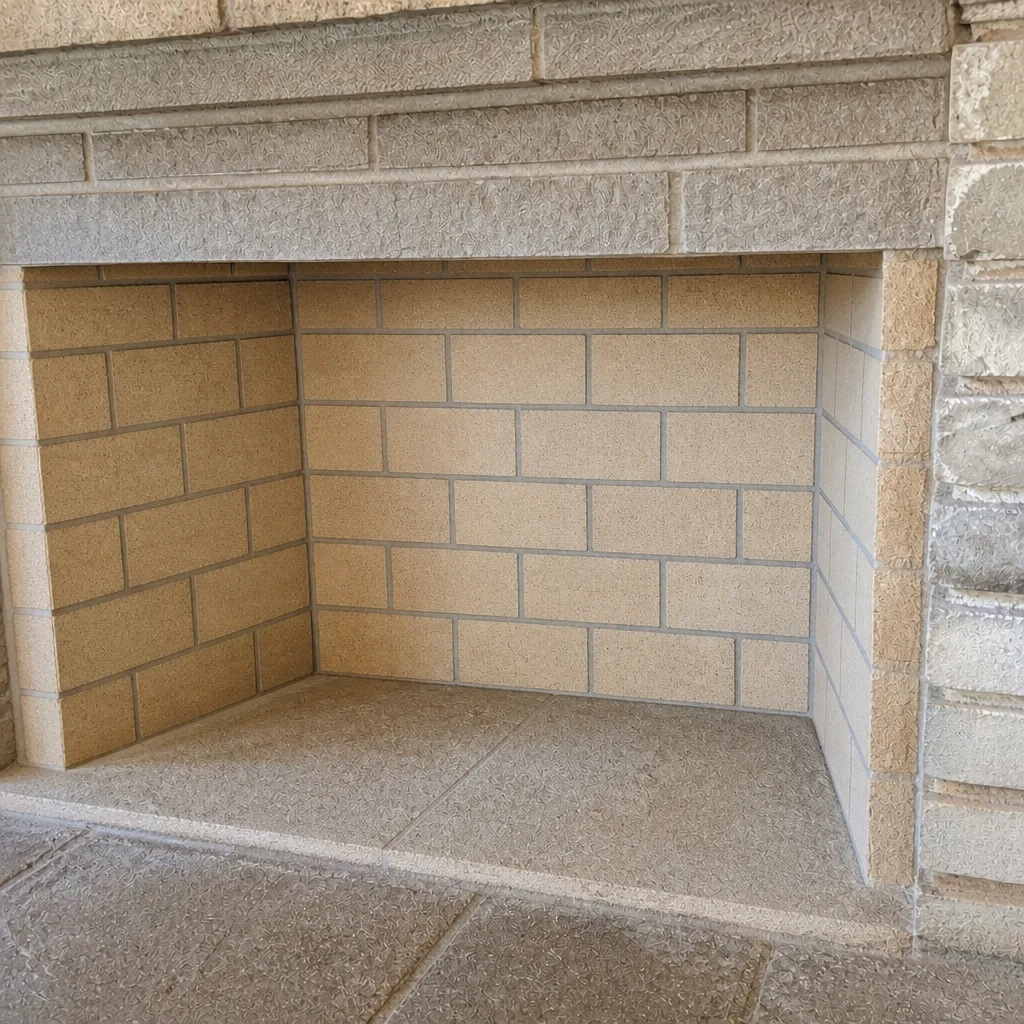 After
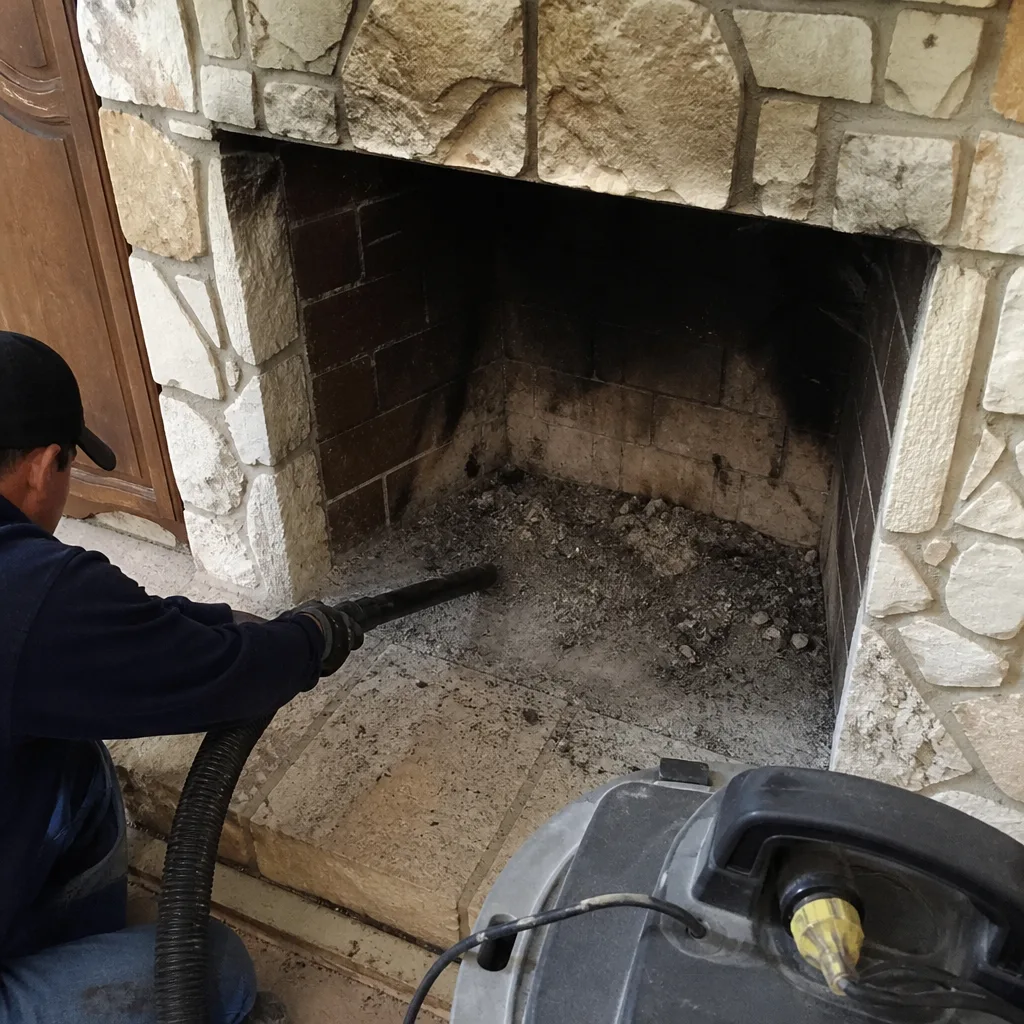 Before
 After
 Before
 After
Common Mistakes to Avoid
- Shopping on price alone. A chimney repair is a product installation, and the product determines how long the repair lasts. A cheap liner that fails early costs more than a proper one done once.
- Not asking which brands are used. If you don’t ask, you won’t know, and the answer is the clearest sign of how the company operates. Ask before the work is booked.
- Accepting “we’ll seal it” without specifics. In a rainy climate, a cap and damper that fit properly do real work. A vague answer about sealing often means a generic cap that doesn’t.
- Letting an inspection become a sales call. A real inspection identifies specific deficiencies and shows you the evidence. If it produces a list of everything that could go wrong, treat it as a pitch.
- Assuming a full rebuild is the only option. HeatShield resurfacing can restore some damaged flues without a teardown. A company that doesn’t mention it may not have it available.
- Skipping the annual sweep because the fireplace sees little use. Short use doesn’t mean no risk. Creosote and moisture don’t care how many fires you’ve had.
- Using different companies for sweep and repair. When the sweep and the repair are the same relationship, there’s no finger-pointing. Single-source accountability is worth more than a few dollars saved.
When to Call a Professional
Some situations call for a trained hand rather than a look from the ground. If your fireplace smokes into the room, if you smell a strong creosote odor even when it’s not in use, if you’ve had a chimney fire or suspect one, or if an inspection has flagged cracked tiles or a failing smoke chamber, those are reasons to call. A damaged flue carries combustion gases and is a fire and carbon monoxide risk, so it’s not a component to diagnose by eye from the yard. The same applies to liner work and any repair at the top of the chimney: height and confined space make it a job for someone trained and equipped. Chimney Sweep Boca Raton offers free estimates in Boca Raton. Call (877) 685-2248 to talk through what you’re seeing.
Frequently Asked Questions
Look for professional chimney supply brands in the main repair categories: DuraFlex for flexible stainless liners, HeatShield for flue and smoke chamber resurfacing, and Gelco, Olympia Chimney, or Famco for caps and venting. A company that names these is buying from professional channels and trained to install them. Call (877) 685-2248 for an exact quote. Estimates are free.
Yes, because rain and humidity are the bigger test here than cold. A properly sized, professionally sourced cap keeps water and wildlife out and vents the flue as it should. A loose universal cap does part of that job and can cause problems. Ask which cap brand they use before the work is booked. Call (877) 685-2248 for an exact quote. Estimates are free.
Sometimes, yes. HeatShield resurfacing applies a repair compound to deteriorating flue tiles and smoke chambers, which can restore a damaged interior without a full teardown. Whether it fits your chimney depends on the actual condition, which an inspection should show you. Ask whether resurfacing was considered and why the recommendation went the way it did. Call (877) 685-2248 for an exact quote. Estimates are free.
Treat it as information. A company that can’t name a brand or a product category for liner, cap, or sealant hasn’t committed to a standard. Ask a direct question about the liner specification or the cap brand, and if the answer stays vague, get a second opinion before booking. Call (877) 685-2248 for an exact quote. Estimates are free.
Because sweep, inspection, and repair are one connected system. When a cleaning company and a repair company are different vendors, nobody owns the outcome if something fails. When it’s one relationship, the diagnosis and the repair are the same company’s responsibility. That’s the practical reason to look for a specialist that covers all three. Call (877) 685-2248 for an exact quote. Estimates are free.
A real inspection identifies specific deficiencies: cracked tiles, gaps, deterioration at a joint, a failing cap. It shouldn’t be a list of everything that could go wrong. Ask the company to point to what it found and explain it, and ask plainly when a repair can safely wait. Call (877) 685-2248 for an exact quote. Estimates are free.
The Bottom Line
The brand of material behind a chimney repair is the clearest signal of the company’s training and its standards. DuraFlex, HeatShield, Gelco, Olympia Chimney, Famco, and Copperfield are professional-grade names because they come with installation knowledge behind them. A company that uses them trains differently and repairs differently than one sourcing generic parts. For Boca Raton homeowners, the takeaway is simple: ask which brands they use for liner, cap, and resurfacing, and whether resurfacing was considered before a full rebuild. Those questions will separate a specialist from a sweep-and-walk-away operation every time.
If you want a sweep, inspection, or repair done with professional-grade materials and a diagnosis you can see for yourself, we’re ready to help. You can reach the team through Chimney Sweep Boca Raton, or explore our chimney repair services if you already know something’s wrong. We also keep a full service page for Boca Raton if you’d like to see what a visit involves. Call us at (877) 685-2248 for a free estimate. We answer 24/7. Fast dispatch from 7am to 7pm, Sunday through Friday.
Written by the team at Chimney Sweep Boca Raton.