
Last updated November 16, 2026
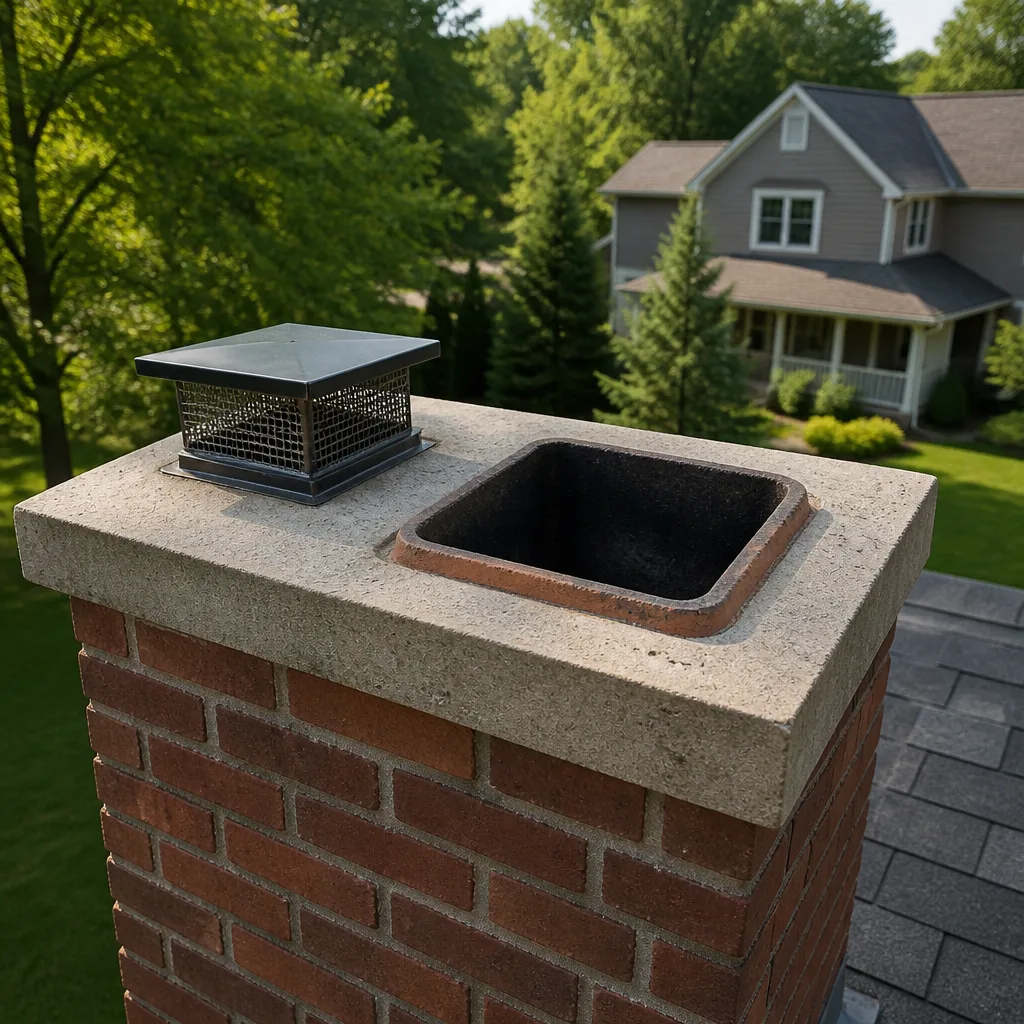 Sweep & inspection
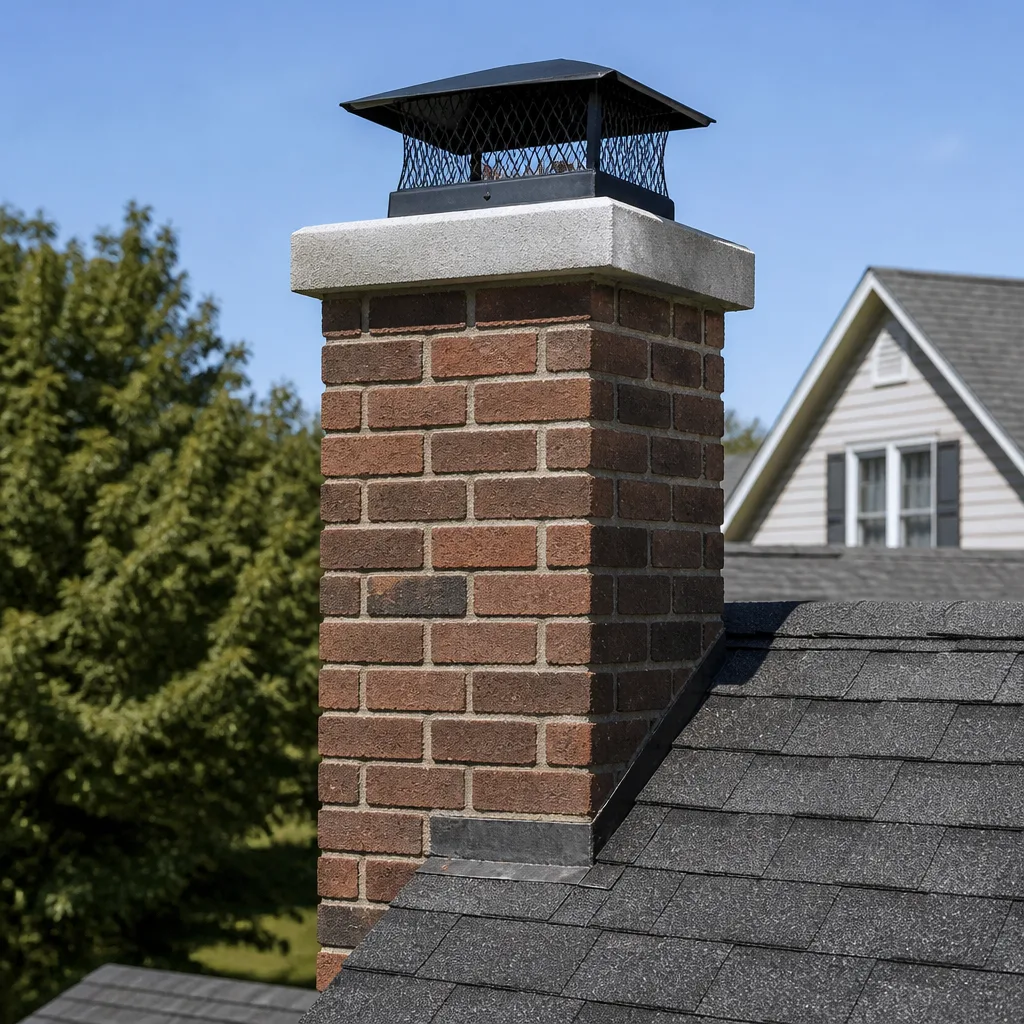 Caps & crowns
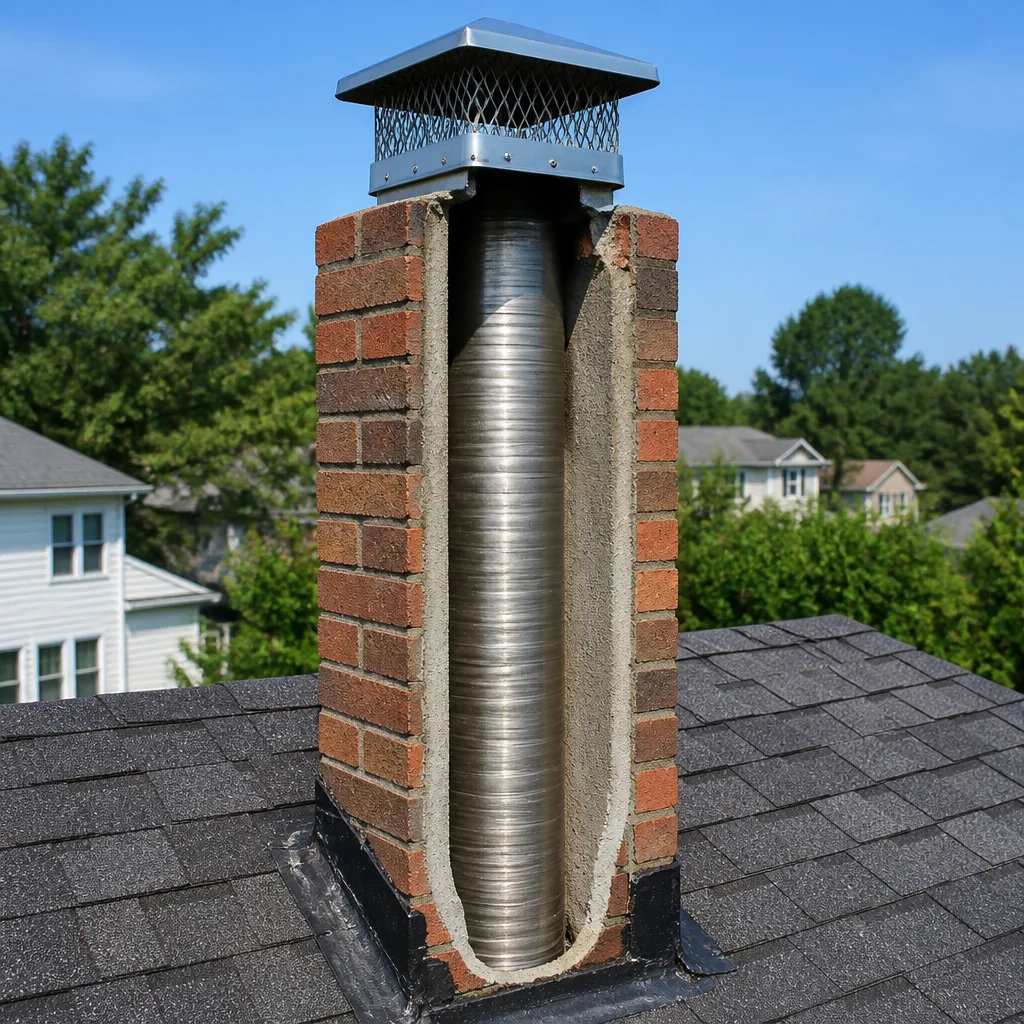 Flue relining
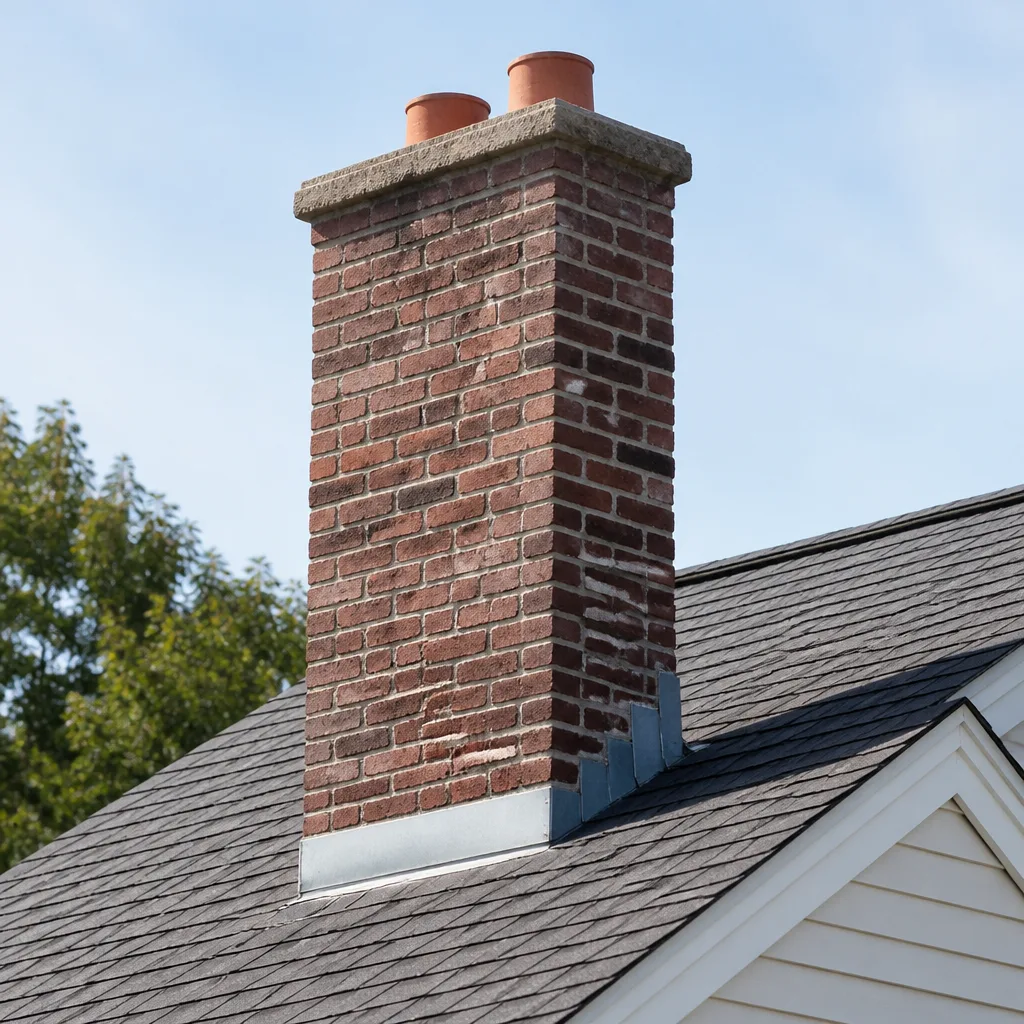 Masonry repair
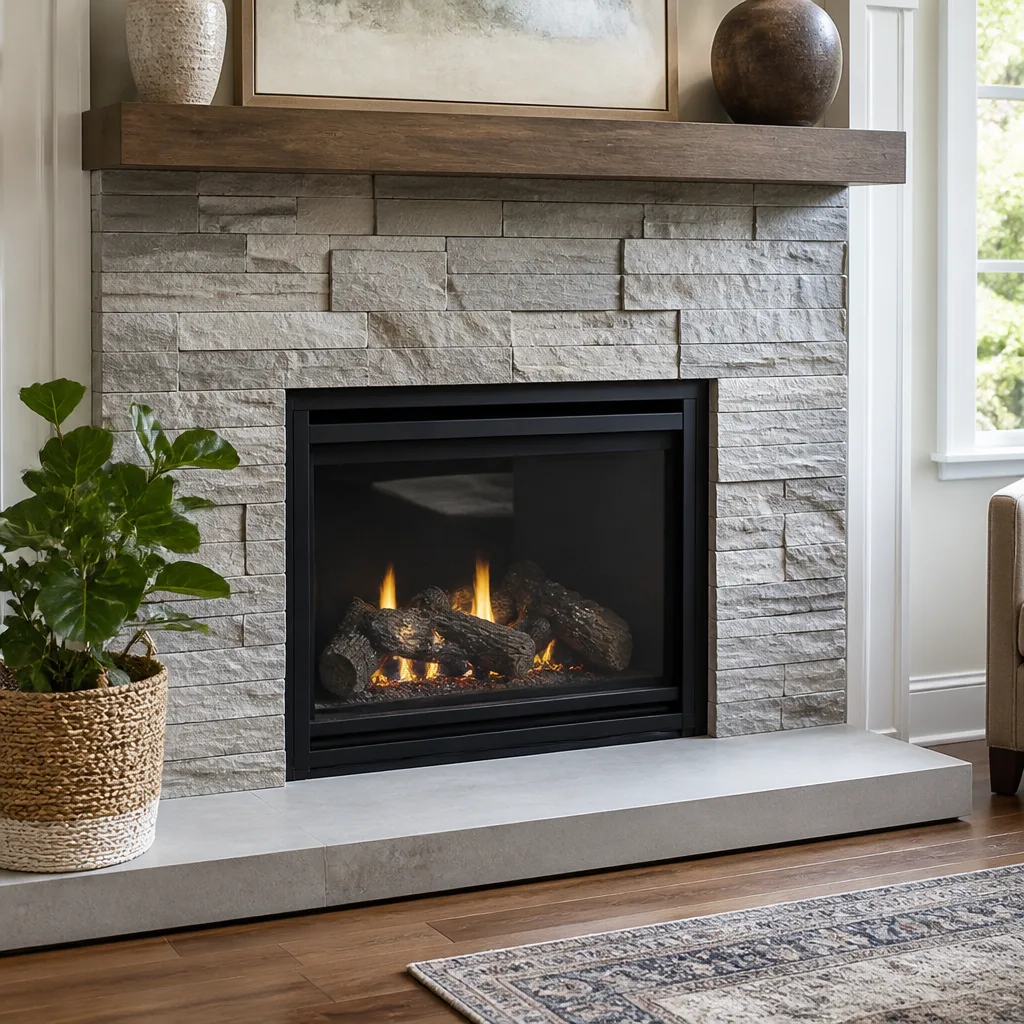 Gas fireplace service
Level 1 sweep and inspection to the NFPA 211 annual standard - flue, crown, cap, and flashing checked and photographed
Chimney sweep logs do not sweep chimneys. They loosen some creosote - which then falls where a brush and vacuum still have to collect it.
Chimney Sweep Troubleshooting in Boca Raton: Common Problems and How to Fix Them
Most chimney problems we troubleshoot in Boca Raton don’t come from heavy fireplace use. They come from the opposite: long dormancy, high humidity, and the way a masonry stack behaves when it sits idle for months and then suddenly has to handle a fire. Homeowners often assume the worst when they smell an odor or spot staining, or they assume nothing when a fire smokes into the room. Both instincts are usually wrong. What follows maps the symptoms you actually notice (smells, stains, draft trouble, smoke) to their real underlying causes, so you know what you’re dealing with before anyone shows up with a brush. You’ll learn how to read each warning sign, when a fix is minor, and when it genuinely needs a professional.
Quick Answer
The most common chimney problems in Boca Raton are humidity-driven draft reversal (that damp, musty smell), water infiltration showing up as white staining on the masonry, and creosote that glazes into a hard stage 2 layer even with light use in a humid climate. Most of these trace back to an uncapped or compromised flue and can be diagnosed and repaired together, so the fix is often simpler and less expensive than homeowners fear.
Styles & brands we work with
- Sweep & inspection
- Caps & crowns
- Flue relining
- Masonry repair
- Gas fireplace service
Table of Contents
- Why Does My Fireplace Smell Damp in the Off-Season?
- What Does White Staining on My Chimney Actually Mean?
- Which Stage of Creosote Is in My Flue?
- Spalling Brick vs. Crumbling Mortar: Which Problem Do You Have?
- Why Does My Fireplace Smoke Into the Room?
- Do I Need a Cap or a Damper (or Both)?
- When Does a Flue Liner Need Repair or Replacement?
- How Does a Professional Chimney Sweep Actually Work?
Why Does My Fireplace Smell Damp in the Off-Season?
That smell is draft reversal, and it’s the single most common complaint we hear in South Florida. Here’s what’s happening: warm, humid outside air is lighter than the cooler air sitting inside your chimney. Without a fire burning to drive air upward, the stack has no pressure to keep it flowing out. So the humid air pushes down instead, carrying with it the smell of old creosote, ash, and whatever moisture the flue has absorbed. It gets worse in summer, when the humidity is highest and the fireplace is dormant.
Draft reversal itself isn’t dangerous, but the underlying cause often is. In our experience, the homes that smell worst fall into a few categories:
- An uncapped chimney. With no cap on top, humid air and rainwater move freely down the flue. A cap screened for venting lets exhaust out while blocking weather in.
- A deteriorated flue liner. Cracks and gaps in the liner give moisture a place to collect and let corrosive gases reach the masonry.
- A missing or stuck-open damper. A damper that won’t close properly leaves the flue open to the house, which brings the smell indoors.
- A flue that’s the wrong size for the firebox. An oversized flue cools too fast and can’t hold a proper draft.
The fix depends on which of these you have. A top-sealing damper or a properly fitted cap solves most draft-reversal cases on its own. When a liner is involved, resurfacing or relining is the real answer, and we handle that through chimney repair as part of the same visit rather than sending you to a second contractor. If the smell only shows up in the summer and clears once you burn, it’s most likely a capping and damper issue. If it lingers year-round, have the liner checked.
What Does White Staining on My Chimney Actually Mean?
White, chalky staining on the outside of a chimney is called efflorescence, and it’s not cosmetic. It’s the visible signature of water moving through the masonry. When moisture soaks into brick or mortar and then dries, it carries dissolved salts to the surface, where they crystallize into that white crust. Seeing it means water is getting in somewhere, and that water is doing damage behind the visible wall.
Efflorescence is your early warning. The water that creates it can also:
- Break down mortar joints from the inside, weakening the whole structure.
- Cause spalling, where the face of a brick flakes off.
- Rust the metal components in the firebox and flue.
- Compromise the flue liner, which is a fire and carbon-monoxide risk if it’s breached.
Finding where the water enters is the whole job. Common entry points we check include a missing or failed cap, a cracked crown at the top of the stack, failed flashing where the chimney meets the roof, and open mortar joints. A cap or venting product like those from Gelco or Famco can close off the top, and repointing the mortar closes the sides.
One caution: white staining on brand-new masonry can be a normal curing artifact and fades on its own. On an older chimney, or one that suddenly starts staining, treat it as a sign of an active leak. The good news is that efflorescence caught early is a repair, not a rebuild. Left alone, it can turn into one. If you see it, have a professional trace the source rather than painting over it, which only traps the moisture inside.
Which Stage of Creosote Is in My Flue?
Creosote builds up in three recognizable stages, and in a humid climate like Boca Raton’s, even light fireplace use can push you into the second. Here’s how to tell them apart:
- Stage 1: Sooty and flaky. A thin, powdery layer you can brush away. This is what a normal annual sweep handles.
- Stage 2: Crusty and flaky-hard. Black, shiny, and starting to harden. It bonds to the flue and a standard brush skips over it. This is the stage where humid air accelerates the process, because moisture helps creosote consolidate into a harder layer.
- Stage 3: Glazed and tar-like. Hard, shiny, and essentially baked onto the flue surface. Highly flammable and much harder to remove. This is the stage that most increases chimney fire risk.
The humidity factor is why Boca Raton homeowners should not assume that “we barely use the fireplace” means the flue is clean. Creosote that would stay powdery in a dry climate can harden faster here because of the moisture cycled through the chimney between fires. A standard sweep removes stage 1 and some stage 2. Stage 3 usually needs chemical treatment or the flue assessed for relining.
The other thing to understand: you cannot tell which stage you have by looking up the chimney with a flashlight. Glazed creosote looks like a clean, dark flue to the untrained eye. That’s why we use a camera. Once we photograph the flue, you’ll see exactly what’s on the walls, and we’ll tell you whether a standard sweep will do it or whether you need more. No recommendations based on a guess. Scheduling a chimney sweep before the burning season starts is the simplest way to catch this early.
Spalling Brick vs. Crumbling Mortar: Which Problem Do You Have?
These two look similar from the ground and require completely different repairs. Mixing them up is one of the most common ways homeowners overpay. Get the diagnosis right first.
Spalling brick
Spalling is when the face of a brick flakes, peels, or pops off, often leaving a rough, pitted surface. It’s caused by water getting inside the brick and expanding as it dries (or by a batch of brick that was never suited to a damp environment). When a brick spalls, the fix is to remove and replace the damaged brick, ideally matching the original as closely as possible. Filling over a spalled brick with mortar doesn’t stop the problem.
Deteriorating mortar joints
Crumbling, receding, or sandy mortar between the bricks is a separate problem. The mortar is the sacrificial layer of a masonry wall: it’s designed to wear before the brick does. When it erodes, the fix is repointing, which means grinding out the failed mortar and packing fresh mortar into the joint to a proper depth. Repointing done right restores the wall’s integrity.
Why the distinction matters: filling over spalled brick with mortar looks like a fix but traps moisture and accelerates the decay. Repointing a wall that actually has spalling brick hides the real problem. The two repairs sometimes overlap, but the diagnosis drives the plan.
In Boca Raton’s humid air, both problems move faster than in a dry climate because the masonry is constantly wicking moisture. The inspection tells you which one you’ve got, and a good inspector will show you the photos rather than just describing it. When water infiltration is the root cause, the fix usually combines repointing with a top-of-stack solution, which is why we carry cap and venting products like Famco and Gelco on the same service call.
Why Does My Fireplace Smoke Into the Room?
A smoky firebox has two main families of causes: a venting geometry problem or a blockage. They feel the same to you (smoke in the room), but they need different fixes, and one is a safety issue. Before you call, there’s a simple test you can do yourself.
The pre-call diagnostic test
- Make sure the damper is fully open.
- Crack a window near the fireplace a half-inch.
- Light a small fire or a rolled-up newspaper and hold it near the open damper.
If the smoke pulls steadily up the flue, your chimney likely has a geometry problem (firebox too large for the flue, or the flue too short), plus the house is running slightly negative pressure. If the smoke curls back into the room, or if it drifts out of the fireplace even with a window cracked, suspect a blockage: a bird nest, a collapsed liner section, or heavy creosote. That’s the case to stop and call a professional, because a blocked flue sends carbon monoxide back into the house instead of up the stack.
Geometry problems
A firebox that’s oversized for its flue, or a flue that’s too short, can’t move enough air to carry smoke out. These are the harder cases and sometimes call for a smoke chamber correction or a draft-improving cap. We work with products like Olympia Chimney to correct venting configurations that a standard cap alone won’t fix.
Blockage problems
Blockages are usually quick to clear with a professional sweep and camera inspection. The important thing is not to burn until the flue is confirmed clear. A smoky fire is sometimes the only warning you get before a carbon monoxide problem.
Do I Need a Cap or a Damper (or Both)?
They do different jobs, and most Boca Raton homes benefit from both. A chimney cap covers the top of the flue. It keeps rain, animals, and debris out while letting smoke and gases escape through a screened opening. A damper is the metal plate inside the firebox that seals the flue when the fireplace isn’t in use. A top-sealing damper, as the name suggests, seals at the top of the chimney instead of at the firebox, which is a better seal and a better defense against draft reversal.
Which one you need depends on what’s failing:
- Smell in the off-season, no fire in use: a cap and a working damper (top-sealing if the flue allows) solve most cases.
- Water staining, efflorescence, or debris in the firebox: a properly fitted cap is the first line of defense.
- Draft problems even when burning: the flue and venting need a closer look before choosing between a standard cap and a top-sealing damper.
We install caps and venting components from Gelco and Famco, which lets us close off the top of the chimney and correct the venting in the same visit as the sweep. That matters when you’ve had a diagnosis from one company and a repair estimate from another. Keeping sweeping, inspection, and repair under one service relationship means no one can point at the other guy when something goes wrong. In humid Boca Raton, a proper cap is one of the highest-value things you can put on a chimney, because it keeps the moisture that starts nearly every problem in this guide out of the stack.
When Does a Flue Liner Need Repair or Replacement?
The flue liner is the protective layer inside your chimney that keeps heat and corrosive gases away from the masonry. When it’s intact, the chimney is safe. When it’s cracked, spalled, or missing sections, the chimney is a fire and carbon-monoxide risk. The question homeowners ask is always the same: do I need a whole new liner, or can this be repaired?
It depends on the condition of the liner and the shape of the flue:
- Localized deterioration in a straight flue: often a candidate for resurfacing with HeatShield, which seals and restores the interior without a full tear-out. This is the middle-ground repair that most homeowners never hear about.
- A flue with bends or offsets: rigid liners can’t make the turn. That’s where a flexible liner system like DuraFlex solves a problem the hardware-store route can’t.
- Extensive damage or a misshapen flue: a full reline is the honest answer.
We use HeatShield to resurface damaged flue tiles without a full teardown, and DuraFlex flexible liners for chimneys with the kinds of offsets that rigid liners can’t negotiate. The point of naming them is that the repair path should match the flue, not the other way around. What you should insist on before any liner work: a camera inspection and a photo report you can see yourself. Nothing gets recommended without evidence you can look at. If the damage is minor and safe to monitor, we’ll say so and tell you what to watch for.
How Does a Professional Chimney Sweep Actually Work?
A professional sweep in Boca Raton follows a defined sequence, and understanding it helps you judge whether the service you’re getting is complete. Here’s what a proper sweep should include:
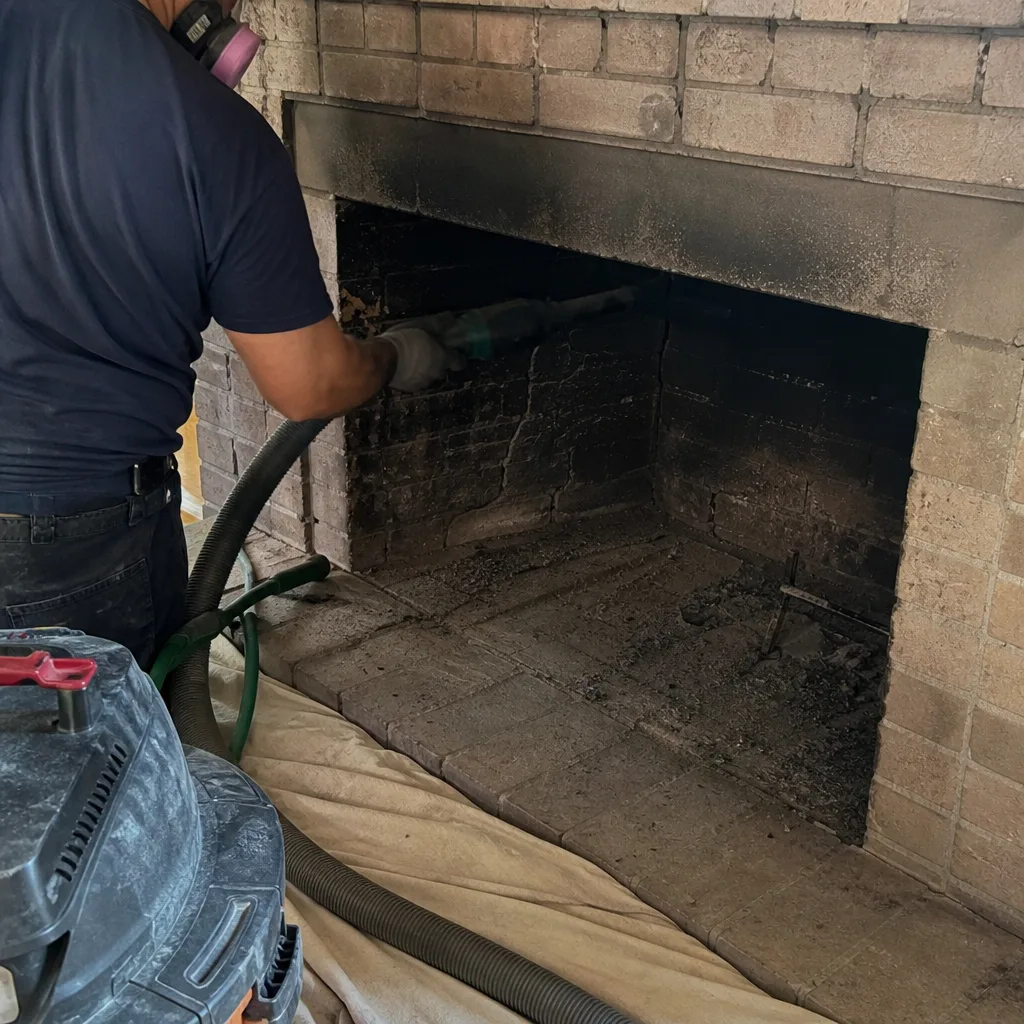
- Protect the work area. Drop cloths and a sealed vacuum keep soot out of the living room.
- Inspect before sweeping. A camera inspection first identifies the flue condition and creosote stage. This tells us what tools the job needs.
- Sweep the flue and firebox. Rotary brushes and rods clear the flue walls, firebox, smoke chamber, and damper area.
- Clear the smoke shelf and smoke chamber. These are the areas a basic sweep sometimes skips and the ones that hold the most creosote.
- Photo-document the flue. The camera report is your record of what was there before and after.
- Confirm the draft and note any deficiencies. We tell you exactly what we found, and what (if anything) needs repair. That’s the same visit where a cap or venting correction can be installed.
The difference between a sweep that does all six steps and one that waves a brush up the flue is the difference between diagnosing your chimney and guessing at it. Our technicians have up to 14 years of experience, and the inspection is structured to identify specific deficiencies, not to set up an upsell. If you’re new to the area or the fireplace hasn’t been serviced in a while, start with a confirmed baseline. That’s what a proper sweep in Boca Raton gives you.
Common Mistakes to Avoid
- Painting over efflorescence. Paint traps moisture inside the masonry and accelerates the damage you were trying to hide. Find and fix the water source first.
- Assuming “I barely use it” means the flue is clean. In humid Boca Raton, light use can still produce hardened creosote. Have the flue inspected, don’t assume.
- Burning with a blockage or a smoky firebox. A blocked flue pushes carbon monoxide into the house. Stop burning and get it checked.
- Filling over spalled brick with mortar. It looks like a repair and traps moisture inside the brick. Replace the brick or repoint the joints, based on the actual diagnosis.
- Skipping the cap to save money. A missing cap is behind a large share of the water, animal, and draft problems we see. It’s one of the least expensive protections you can put on a chimney.
- Trusting an inspection with no photos. If you can’t see the inside of the flue in a report, you can’t verify a recommendation. Ask for the camera images.
- Splitting sweep and repair between two companies. When the sweep company and the repair company are different, no one is accountable for the outcome. Keep it under one relationship.
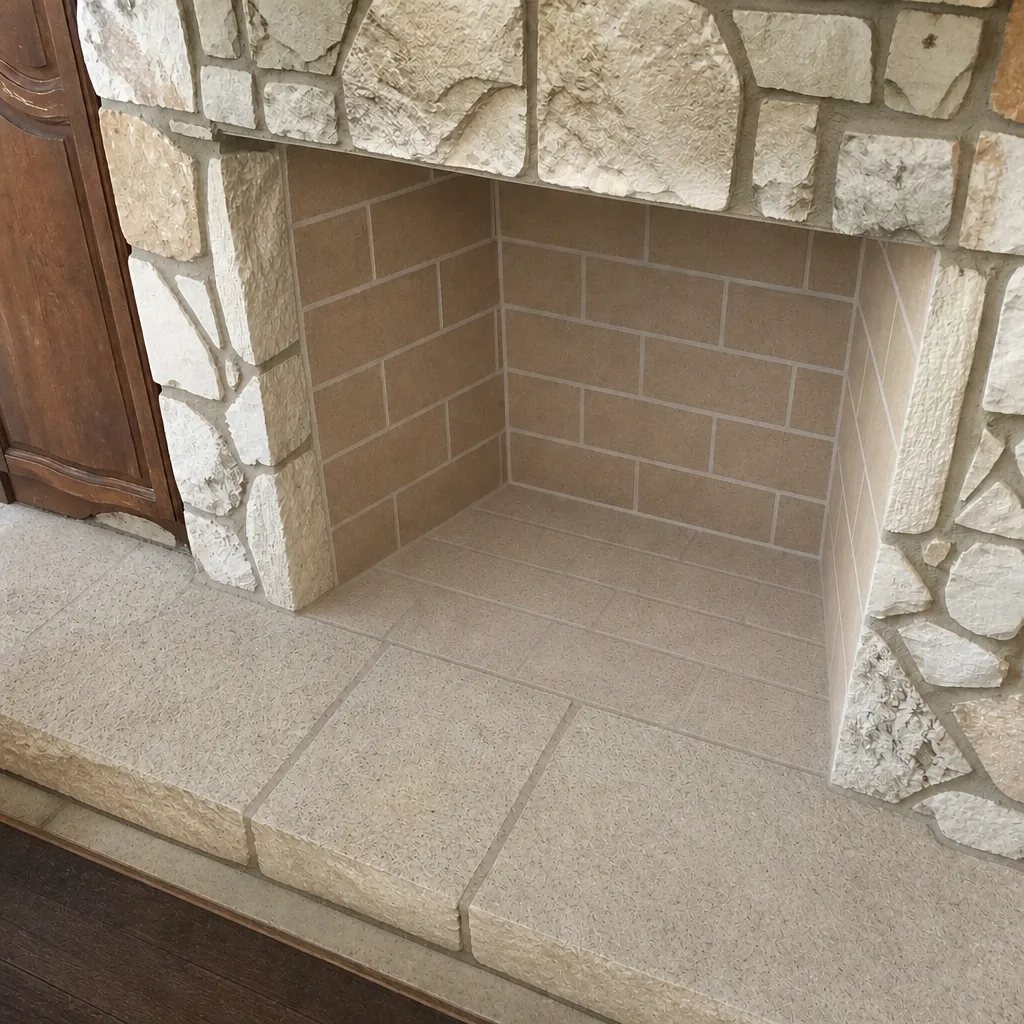
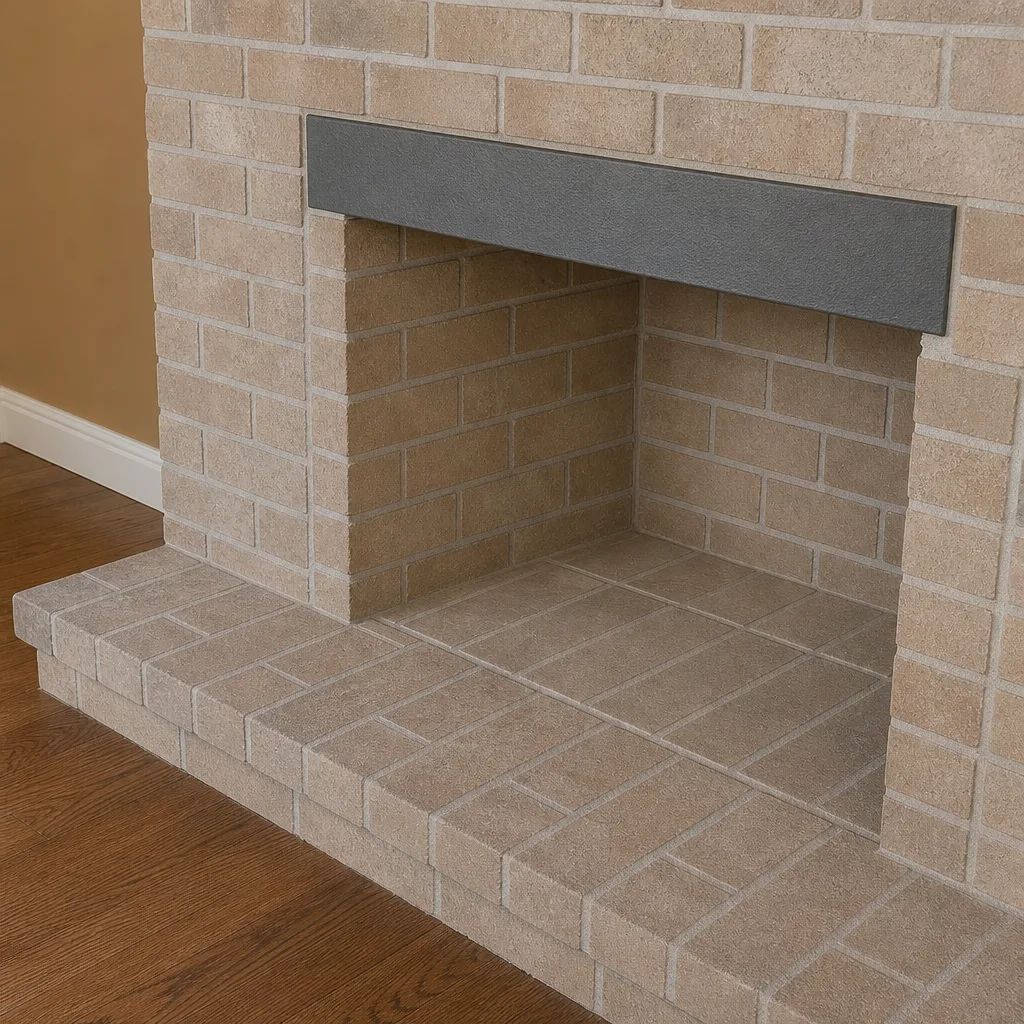
See the difference
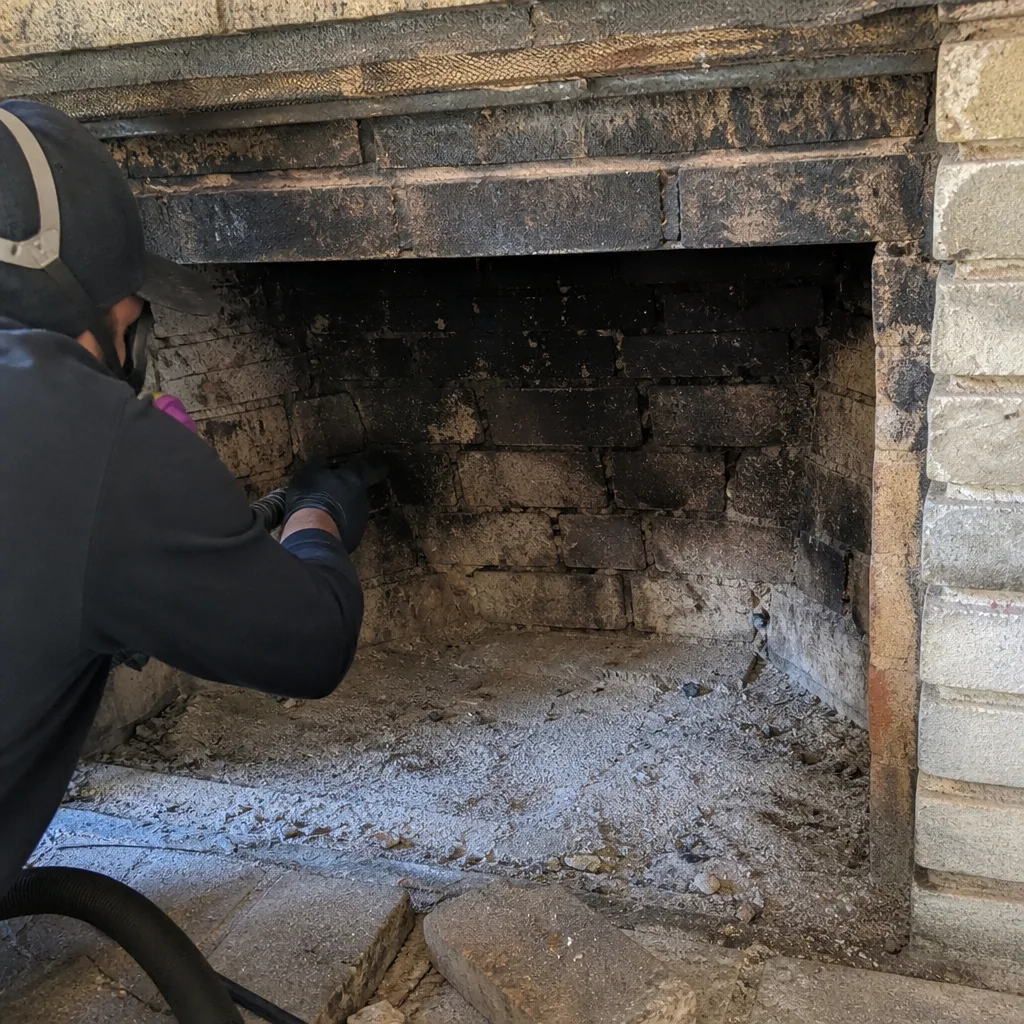 Before
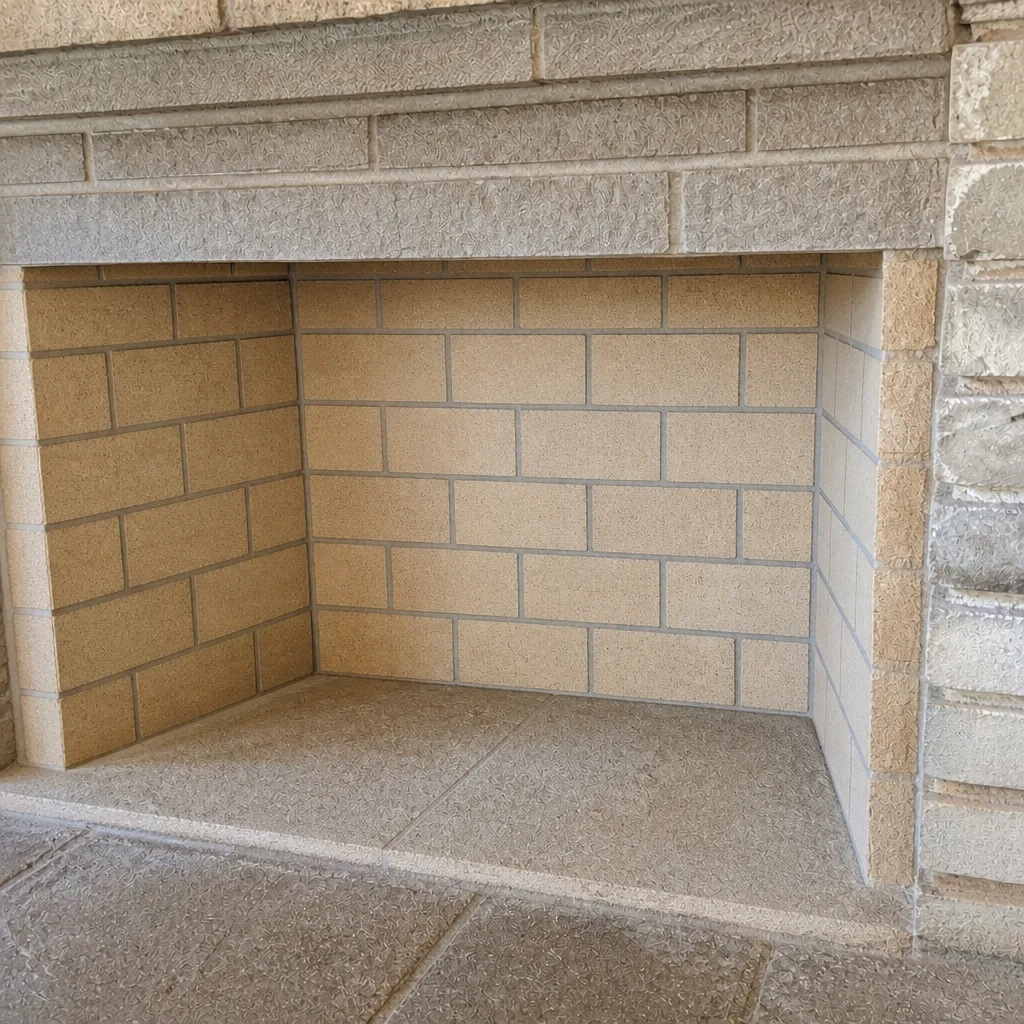 After
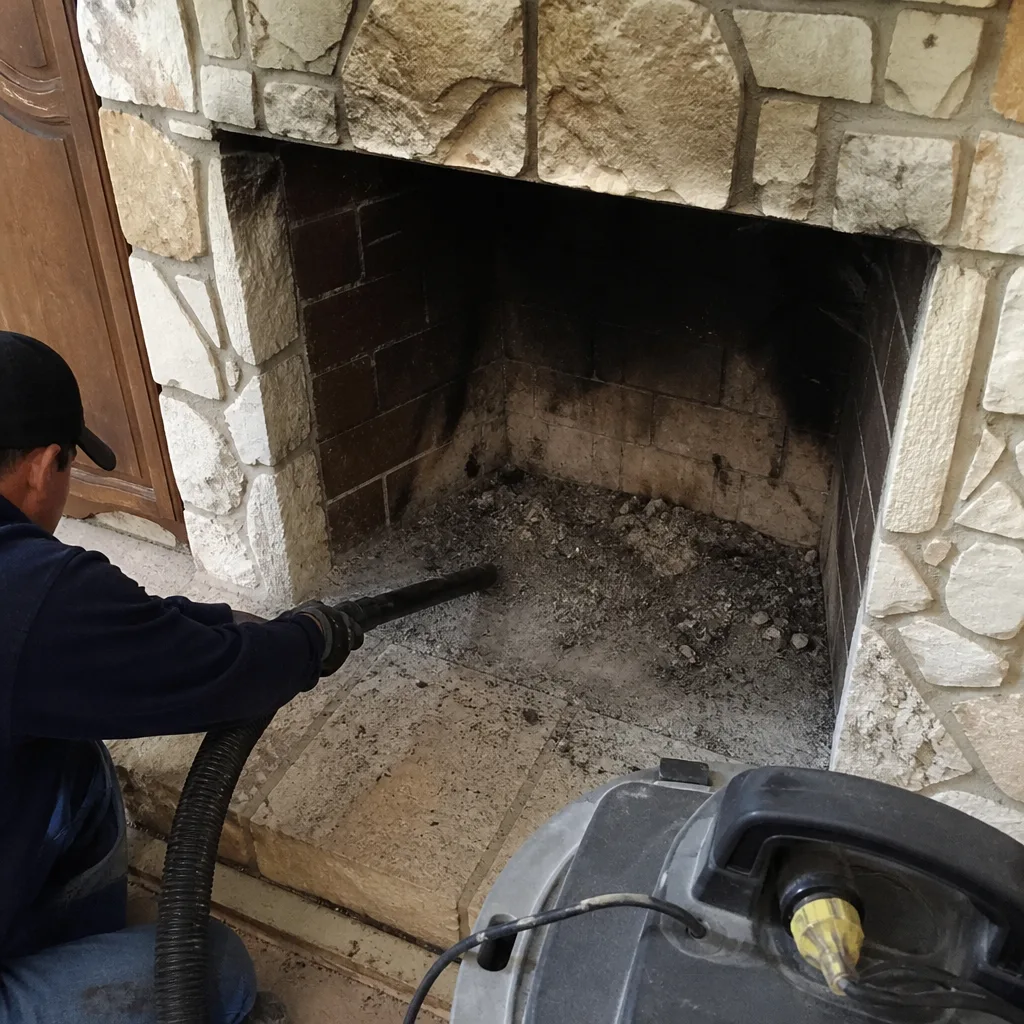 Before
 After
 Before
 After
When to Call a Professional
Call a professional when the problem involves anything you can’t safely verify from the ground: a smoky firebox that doesn’t clear with the window cracked, white staining that’s suddenly spreading, glazed creosote you suspect is lined up in the flue, a cracked or missing liner, or a masonry problem you can’t tell whether it’s spalling or failing mortar. Call before you burn again if the flue might be blocked. If you’re not sure a repair is needed, that’s exactly the call to make, because the honest answer is sometimes that the work can safely wait, and you deserve to hear that from a company that does all three pillars. Chimney Sweep Boca Raton offers free estimates in Boca Raton. Call (877) 685-2248. We answer 24/7. Fast dispatch from 7am to 7pm, Sunday through Friday.
To see the full scope of what we handle across Chimney Sweep Boca Raton, the sweep, inspection, and repair work all fall under the same service relationship, so you’re not sorting out which vendor is responsible when the diagnosis and the fix need to line up.
Frequently Asked Questions
The most common are humidity-driven draft reversal (that damp smell in the summer), water infiltration showing as white efflorescence staining, and creosote that hardens into stage 2 even with light use. Most trace back to an uncapped or compromised flue. Call (877) 685-2248 for an exact diagnosis and a free estimate.
That’s draft reversal: humid outside air pushing down a dormant flue and carrying old creosote and moisture into the house. It’s more common in Boca Raton’s humid season. A properly fitted cap and a working damper fix most cases. If the smell lingers after the fix, the liner needs a check. Call (877) 685-2248 for an exact quote – estimates are free.
As a general rule, a chimney should be inspected once a year and swept as the inspection determines: when creosote reaches about 1/8 inch or there’s visible soiling in the firebox. In a humid climate, an annual inspection matters because a flue can deteriorate between seasons without obvious symptoms. Call (877) 685-2248 to book a sweep before the burning season.
Not always. Localized damage in a straight flue can often be resurfaced with HeatShield instead of replaced, and a flue with offsets calls for a flexible liner rather than a tear-out. What decides it is the camera report, which you’ll see for yourself. If the liner is safe, we’ll tell you. Call (877) 685-2248 for an exact quote – estimates are free.
Creosote keeps building and can reach a flammable stage, cracks in the flue liner go unnoticed, and water damage spreads through the masonry from the inside. The risk is chimney fire and carbon monoxide exposure. A blocked flue is the most urgent version. Call (877) 685-2248 to schedule before the next burn.
Yes, in most cases. A camera inspection and a look at the exterior masonry identify the problem without opening walls. You get photo documentation of what we found, and we tell you plainly whether the work can safely wait. Call (877) 685-2248 for a free estimate.
The Bottom Line
Chimney problems in Boca Raton usually start with moisture: an uncapped flue, a compromised liner, or masonry wicking humid air. The symptoms you notice, whether a summer smell, white staining, a smoky fire, or a draft that won’t cooperate, point to a specific cause. Diagnose first, then repair. That means a camera inspection, photo evidence you can see, and a recommendation that matches the actual condition of your flue. Get the baseline right and most of these problems stay simple, cheap, and preventable. When one does need work, keep sweeping, inspection, and repair with one company so the fix and the diagnosis stay accountable to each other.
If you’re seeing any of the signs above, don’t guess. Call (877) 685-2248 for a free estimate. We’ll tell you exactly what we found and whether it needs fixing now.
Written by the team at Chimney Sweep Boca Raton.