
Last updated November 16, 2026
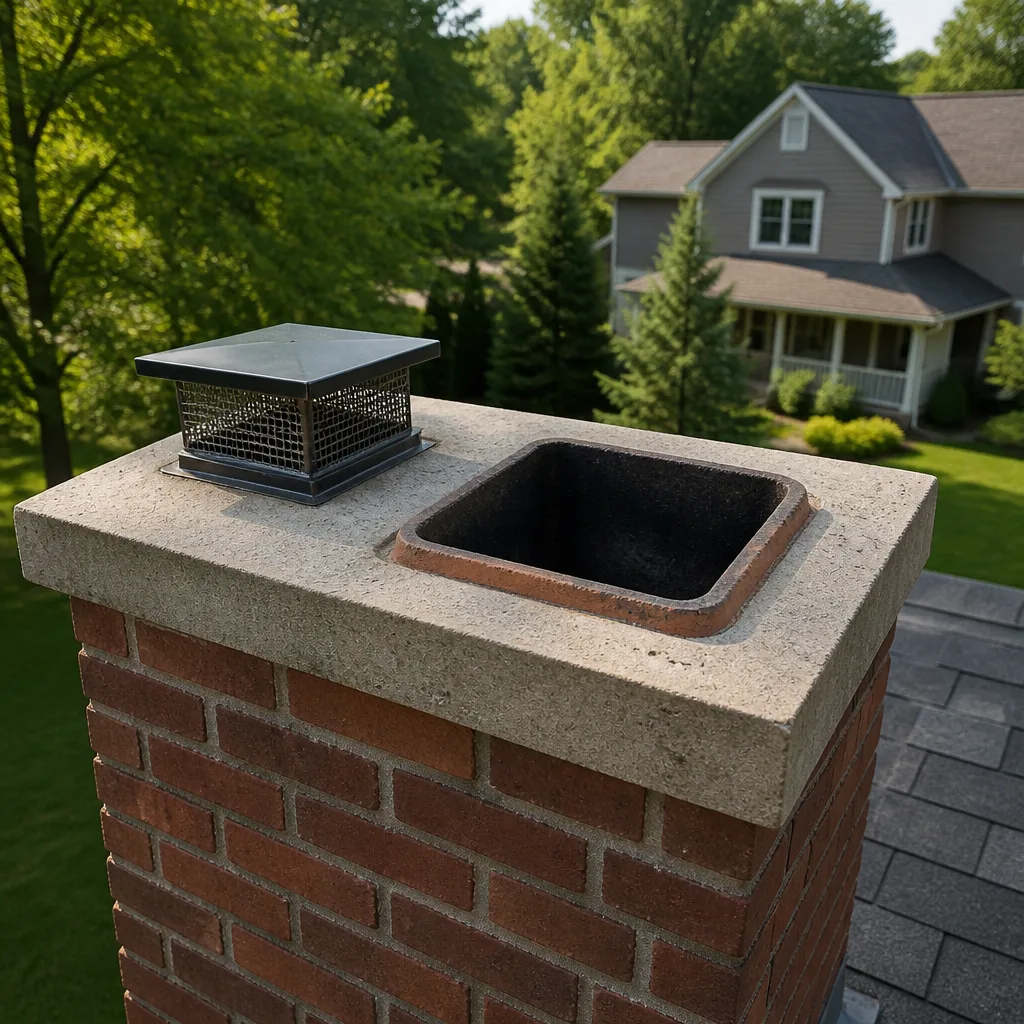 Sweep & inspection
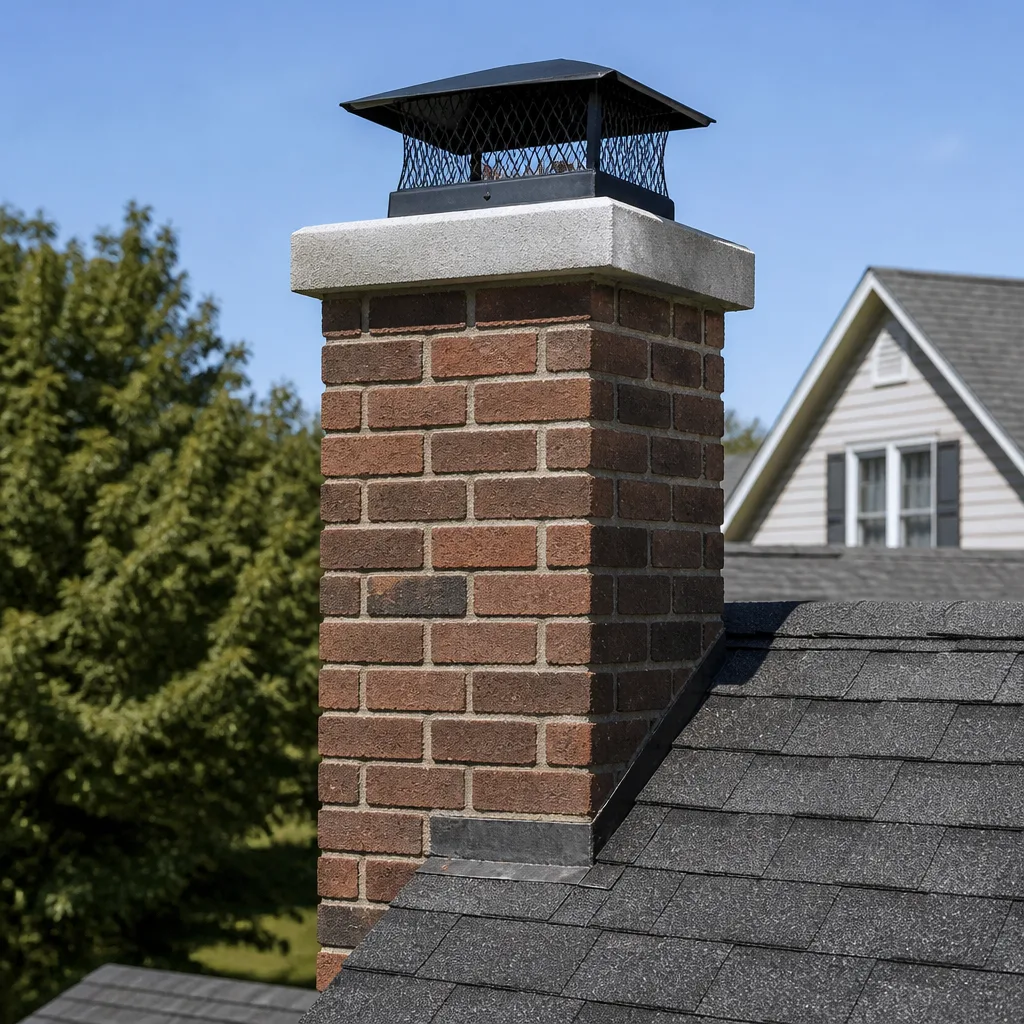 Caps & crowns
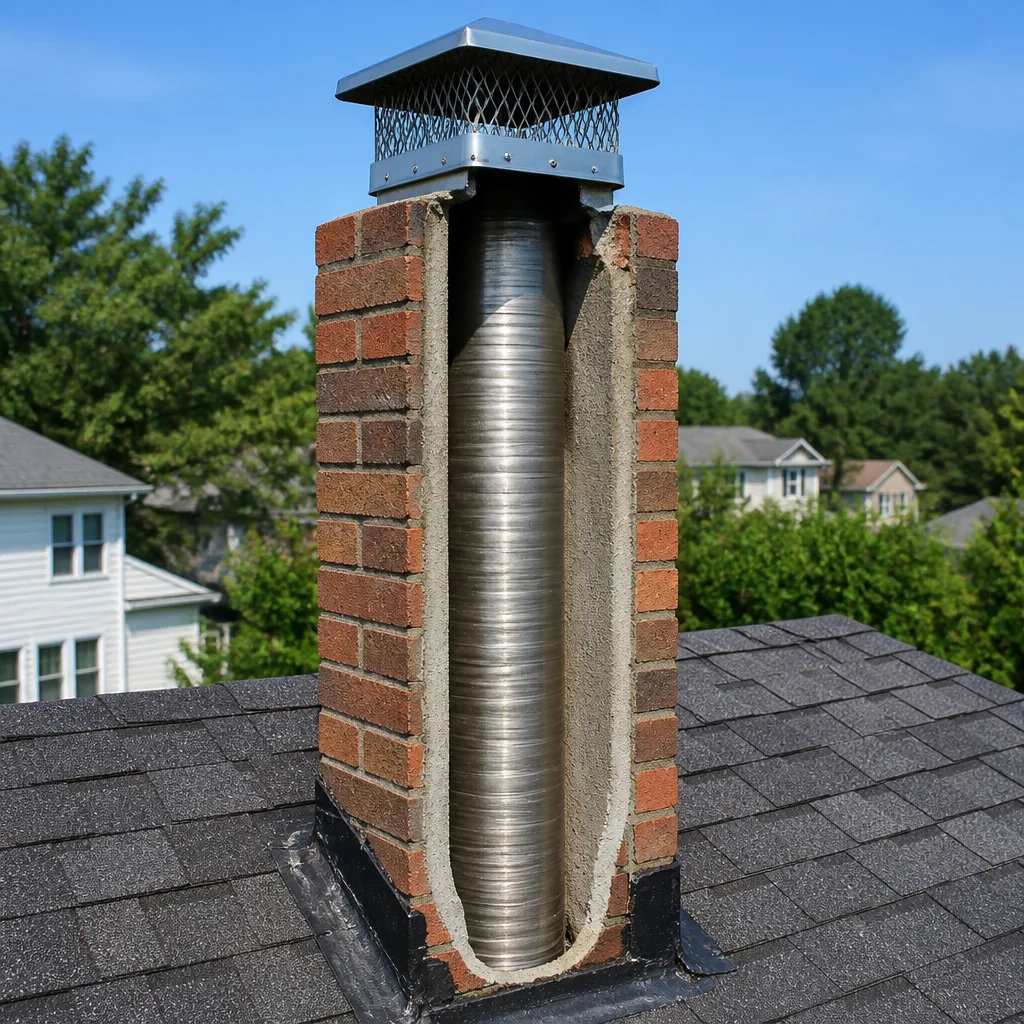 Flue relining
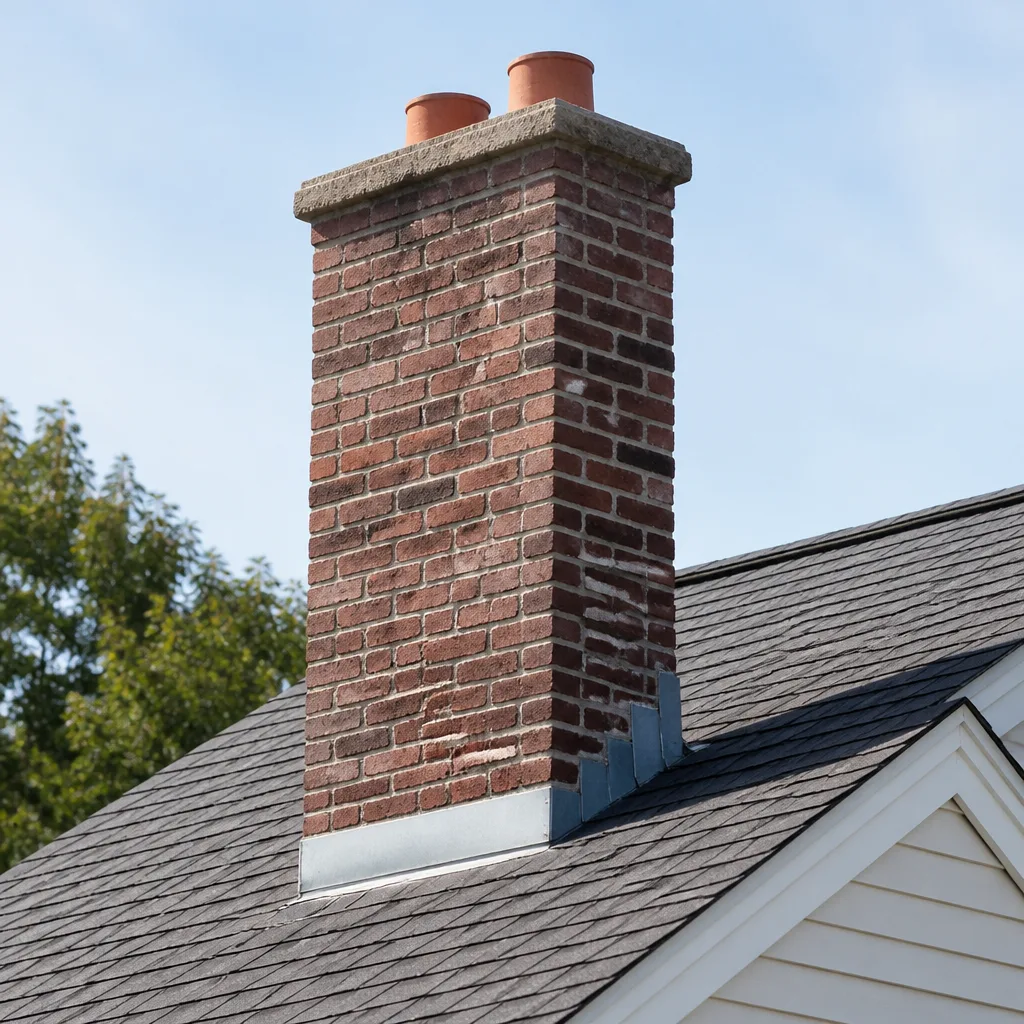 Masonry repair
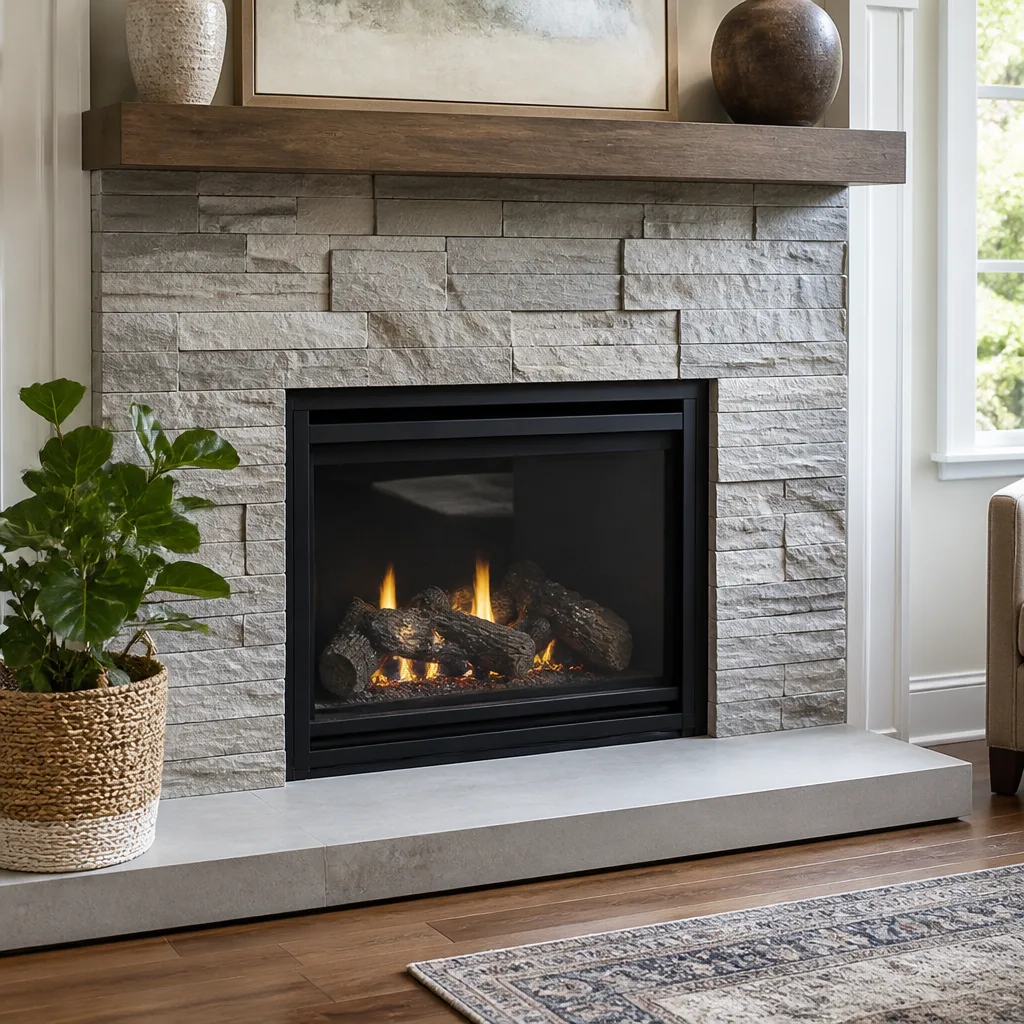 Gas fireplace service
Level 1 sweep and inspection to the NFPA 211 annual standard - flue, crown, cap, and flashing checked and photographed
Chimney sweep logs do not sweep chimneys. They loosen some creosote - which then falls where a brush and vacuum still have to collect it.
Chimney Sweep Maintenance Checklist for Boca Raton Homeowners
Most chimney checklists you’ll find online were written for a house with a snow load on the roof and a furnace running from October to April. That isn’t your house. A chimney in Boca Raton faces a different set of pressures: months of heavy humidity, a rainy season that tests every cap and flashing, and a fireplace that often sits idle through the hottest weeks before coming back into steady use in the cooler months. The generic “10-point” list doesn’t account for any of it. What follows is a checklist built for how chimneys actually age in South Florida – what you can safely check yourself from the firebox, what needs a camera or a ladder, which parts fail first, how often to actually schedule service based on your real usage, and what records to keep for resale in Palm Beach County.
Quick Answer
A Boca Raton homeowner should inspect the firebox and cap visually a few times a year, keep the chimney clear of nests and debris, and book a professional sweep and inspection annually if the fireplace is used regularly or biennially if it’s used lightly. Humidity, storm-season damage to caps and screens, and hairline cracks in the flue are the issues that show up most often here, so the annual visit matters more than most guides admit.
Styles & brands we work with
- Sweep & inspection
- Caps & crowns
- Flue relining
- Masonry repair
- Gas fireplace service
Table of Contents
- Why a Boca Raton Chimney Checklist Is Different
- Your Pre-Season Checklist After Hurricane Season
- What You Can Safely Self-Inspect From the Firebox
- What Requires a Camera or a Ladder
- Annual vs. Biennial: How Often to Book Service
- Spotting Mortar Failure and Spalling Brick Early
- The Documentation Checklist for Home Resale
- What a Proper Service Visit Includes
Why a Boca Raton Chimney Checklist Is Different
A chimney in Boca Raton doesn’t degrade the way a chimney in a cold climate does. Up north, the villain is the freeze-thaw cycle cracking masonry from the inside. Here, the pressures come from heat, moisture, and the long rainy season. Summer humidity works on mortar joints and metal parts. Storm-season wind and rain test chimney caps, screens, and flashing. A fireplace that gets a workout for a few cooler months and then rests for the summer can collect wasp nests, leaf litter, and moisture in the flue while it’s dormant.
That shift changes what belongs on your checklist and when you use it. Instead of a single fall inspection ahead of a heating season, the rhythm here tends to be post-summer (September and October, once the rainy season is winding down) and then again in the cooler months when you’re actually burning. Two light checkpoints beat one heavy one, because the problems that build in Boca Raton homes are the slow kind – a cap that’s rusted at the seams, a screen that’s pulled loose, a stain spreading down the exterior brick.
We’ve also seen how many Boca Raton homes were built or renovated without a strong chimney maintenance habit, because the fireplace reads as decorative rather than functional. Once it’s actually in use, the small stuff – creosote buildup in the first few feet of the flue, a firebox that’s never been cleaned, a damper that doesn’t seal – tends to be the first thing we find. That’s not a flaw in the house. It’s a maintenance gap that an annual visit closes.
Finally, the guide you’re reading is a checklist, not a project list. Most of what it covers is free to do, quick to check, and designed to help you decide when to call a professional and when to leave the chimney alone. When you do need a pro, the best starting point is a Chimney Sweep Boca Raton visit that combines sweeping, inspection, and a straight answer on what, if anything, needs repair.
Your Pre-Season Checklist After Hurricane Season
September and October are the sweet spot in Boca Raton for the pre-season walk-around. The heavy afternoon storms of summer have done their damage, the cooler months are ahead, and you have time to fix what you find before the fireplace comes back into use. This is the annual checklist to run each year, ideally before you light the first fire of the season.
- Look at the cap and screen from the ground. Binoculars help. Check for rust, loose fasteners, a bent or missing spark screen, and any obvious sag. A cap that’s failed is the single most common entry point for water and animals.
- Scan the exterior chimney for stains. Look for white chalky streaks (efflorescence), dark water trails, or any brick that’s flaking or crumbling. Those are early moisture signs, not cosmetic.
- Check the flashing where the chimney meets the roof. Any lifted, cracked, or missing flashing lets rain straight into the attic and ceiling below.
- Open the damper and look up. With no fire and no ashes, use a flashlight to check for visible nests, leaves, or obvious blockage. From the firebox, note what’s immediately visible; deeper inspection is a pro’s job.
- Test the smoke draw. A small amount of smoke that doesn’t draft cleanly up and out can signal a partially blocked flue or a damper that isn’t sealing.
- Clear the firebox and hearth. Remove old ashes, check for loose bricks or cracked mortar, and note any cracks in the firebox panels.
- Check the cap and chimney for bird and animal activity. Wasp nests, starlings, and squirrels are all common in South Florida when a chimney sits unused through the summer.
One more local habit worth building in: after any named storm or a stretch of heavy rain, take a quick look at the ceiling directly below the chimney. A coffee-colored ring or soft spot is water that got past the cap, the flashing, or the crown, and those three are far easier to repair early than after a season of slow damage. If you find water, don’t wait for the pre-season visit – call and let us take a look. When we do need to seal the top of a chimney, we use brands like Gelco and Famco to install or correct caps and venting at the point of service, so it doesn’t become a separate contractor visit.
What You Can Safely Self-Inspect From the Firebox
You can do a great deal of useful inspection without a ladder, tools, or any risk, just by standing at the firebox with a flashlight. The firebox is your window into the health of the chimney, and knowing what “normal” looks like there makes you a sharper customer when a technician arrives.
From the firebox opening, with the fireplace cold and ashes removed, check:
- The damper. It should open and close fully and seal reasonably tight when closed. Any sticking, looseness, or visible gaps are worth flagging.
- The firebox panels. Look for cracks, pitting, or missing mortar joints between firebricks. Hairline cracks in the firebrick are common and often fine; a crack you can fit a coin into, or a missing chunk, is not.
- The smoke chamber and lower flue. With a flashlight, look up past the damper for obvious blockage – nests, heavy soot, or debris – but do not reach in or climb up to inspect further.
- The area around the firebox. Rust-stained metal, chalky mortar, or damp soot inside the firebox can all be signs of moisture entering the chimney above.
- The hearth and surround. Cracks in the mortar between hearth bricks, a loose hearth extension, or a gap at the wall are all worth writing down.
This self-inspection is genuinely useful, and it’s safe. What it is not is a substitute for a professional sweep and inspection. A flashlight from the firebox shows you the first couple of feet of the flue. It doesn’t show you the flue liner’s true condition further up, the crown, the cap’s underside, or any crack that’s opened on the outside of the chimney above the roofline. It also won’t tell you the thickness of the creosote deposits in the flue, which is exactly the number that dictates when the next sweep is due. If your self-check raises a flag, treat it as a reason to call, not a diagnosis.
One safety note that’s worth repeating here: high-tension springs, cables, and height work on any roof or chimney exterior are not a homeowner-level task. If you find yourself considering standing on a pitched roof or reaching into a flue from the top, stop and call a trained professional. A quick look from the ground is useful. A climb is how people get hurt.
What Requires a Camera or a Ladder
Some of a chimney’s condition is only visible with a professional camera or a properly safe ladder setup. Knowing the difference between “I can check this” and “a technician needs to check this” helps you ask better questions, and it protects you from the two bad outcomes: paying for work you didn’t need, or skipping work that mattered.
These items need a trained technician, usually with a camera inspection:
- The full condition of the flue liner. A camera run through the flue shows cracking, spalling, gaps in tiles, and any evidence of a prior fire. This is where the real story about your chimney’s health lives.
- The crown at the top of the chimney. A cracked or deteriorated crown lets water straight down into the chimney masonry. It’s not something you can see from the firebox.
- The cap’s underside and fasteners. A rust stain on top is one thing; whether the cap is actually attached and sealing is another, and it needs someone at the top.
- The space between the chimney and the roof structure. That’s where flashing failures and hidden rot get found, and that’s a ladder-and-roof-surface job.
- Creosote thickness in the flue. A proper sweep measures buildup, which determines whether cleaning is due now or can wait until the next visit.
- The condition of the mortar joints above the roofline. Efflorescence and spalling brick might be visible from the ground, but judging how far the damage has gone needs a close look.
None of this should be a mystery. When we run an inspection, we’re looking for specific deficiencies and reporting back what we actually found, in plain language. If the answer is “everything is fine, see you next year,” that’s a real answer and we’re happy to give it. If something needs repair, we’ll show you what the camera saw. If a damaged flue can be resurfaced rather than replaced, that’s a real middle-ground option, and HeatShield is the system we use to restore a deteriorating flue interior without a full liner teardown. DuraFlex flexible liner systems let us properly reline chimneys whose flues bend or offset in ways a rigid liner can’t follow. Brands like Copperfield and Olympia Chimney round out what we use for lined components and terminations.
Annual vs. Biennial: How Often to Book Service
In Boca Raton, the right interval comes down to one honest measurement: how much you actually burn. The general rule of thumb among chimney professionals is that a chimney used regularly should be swept and inspected once a year, whether or not you think it needs it. The point of the annual habit isn’t just cleanliness; it’s early detection of the humidity, storm, and animal damage that South Florida is so good at delivering.
Here’s how we’d frame the split:
- Annual service: You burn more than a few fires a season, you use the fireplace as meaningful heat on cool evenings, or you cook in it. You’ve had storm damage, a bird or animal problem, or a repair in the past. Annual is the safe default.
- Biennial service: The fireplace is decorative or used only a handful of times a season. The chimney cap is intact, the firebox is clean, and your last inspection was documented with no deficiencies. Even here, a visual check from the ground after storm season is still worth doing yourself.
The trap in the biennial path is that the seasons don’t take a year off. A cap can rust through in a single wet summer. A screen can pull loose in a storm. Wasp nests build fast and love an idle chimney. That’s why we still recommend an inspection on the biennial schedule even if a full sweep isn’t yet needed. The inspection is what tells you whether cleanup or repair is due, and it’s where a homeowner learns whether they can genuinely wait a year.
For homes that burn heavily, or where the firebox shows heavy soot, an added inspection mid-season isn’t unusual. In our experience across Boca Raton homes, the single biggest predictor of a chimney problem is not last year’s sweep date. It’s whether the homeowner is checking anything at all between visits.
Spotting Mortar Failure and Spalling Brick Early
Mortar is the weakest part of any chimney’s masonry, and it goes first in a humid climate. The signs are subtle at the start and obvious by the time they matter. Learning to read them early is the difference between a small repair and a much larger one.
The three things to watch for:
- Efflorescence. That white, chalky powder on the brick or mortar is salt the masonry pushes to the surface as moisture moves through it. It’s not harmful in itself, but its presence is a signal that water is getting into the chimney somewhere. Don’t ignore the message just because the stain looks cosmetic.
- Spalling brick. A spalled brick has its face flaking off, leaving a rough, pitted surface with a loose face. Spalling usually means the brick has absorbed water and been through enough wet-dry cycling to break down. It’s a structural warning, not just a cosmetic one.
- Crumbling or recessed mortar joints. If a joint in the brickwork can be scraped out with a fingernail, or if the mortar has receded below the brick face, the joint has failed. Water gets straight in and the brick above starts to spall.
Where this gets important is inside the flue. Hairline cracks in the clay flue tile are exactly the kind of damage a camera inspection catches early, and they can be resurfaced rather than replaced when they’re caught before the tile crumbles. HeatShield gives us a genuine repair path for a flue in that state; the alternative once the damage has gone further is a full liner replacement. Brands like DuraFlex flexible liner systems are what we’d use when the flue needs to be relined. The trade-off here is real, and we won’t tell you that resurfacing is right when a reline is needed. If the damage is severe and the flue is unlikely to hold up, a full liner replacement is the honest call, and HeatShield is the honest middle option.
Exterior mortar and brick repair is a bigger decision, and it’s not one to make on a hunch. Our approach is to document, show you what we found, and let you decide. If the mortar is sound and the efflorescence is light, a sealing treatment and a watchful eye are often enough. If the joints are failing and the brick is spalling, that’s a masonry repair above and beyond what a chimney sweep service covers, and we’ll tell you that plainly so you can get the right trade involved. In Boca Raton, we recommend a full exterior check annually for exactly this reason.
The Documentation Checklist for Home Resale
Chimney records rarely matter to you while you own the house. They matter the moment you sell. A buyer’s inspector will flag a chimney that has no documented service history, and a buyer reading that report will ask for real answers. The fix is to keep records as you go, not to scramble for them at the closing table.
What to keep from every visit:
- The date of each sweep and inspection. A simple log is enough; the point is to demonstrate regular upkeep.
- The inspection report itself. Every deficiency we find is documented, so keep the written report and any camera images you’re given.
- The sweep findings. Note the creosote level recorded and whether the flue was cleared or fine.
- Photos of the flue, firebox, and exterior after the visit. A dated photo series tells the story of the chimney’s condition over time better than a written log alone.
- Receipts for any repair. If you’ve had a liner replacement, a HeatShield resurfacing job, or a new cap installed, keep the receipt and note which product was used (for example, a DuraFlex liner or a Gelco cap) and when.
- Warranty paperwork. If a repair or product carries a warranty from the manufacturer, keep it with the file – a buyer will ask.
In Palm Beach County, where a lot of homes have a working fireplace and buyers expect a chimney that’s been cared for, a documented service history is quietly valuable. It’s not a formal inspection report, and it won’t replace a pre-sale inspection. But it’s the difference between a buyer who sees a maintained system and one who sees a liability. It also makes it easier for a professional to pick up where the last visit left off, rather than starting from zero.
Keep this file on paper or in the cloud, and hand it over with the rest of the home’s records. Even if you’re not planning to sell soon, it’s the cheapest thing on this checklist and the one most likely to pay you back.
What a Proper Service Visit Includes
A proper chimney service visit in Boca Raton is a chance to get the entire chimney’s health accounted for in one stop. Rather than broken-out transactions (a cleaning this month, an inspection next, a repair from a different contractor later), we handle sweeping, inspection, and repair as a connected system, because that’s how we spot the interactions between them. A dirty firebox that also has a hairline liner crack is one conversation, not two vendors pointing at each other.
Here’s what a well-run visit typically includes:
- A sweep and a measured report. The flue is cleaned, and we record what we found – creosote levels, visible condition, and anything else that matters.
- A camera inspection of the flue. We look at the full run of the liner and document what’s there, so you have a clear picture of the chimney’s real condition.
- A check of the cap, crown, and flashing. These are the spots that let water in, so they get a look every time.
- Specific findings, not a sales pitch. We tell you exactly what we found and what we’d recommend, with an honest “it can wait” when it can.
- Repairs where they make sense. If a Gelco or Famco cap installation, a DuraFlex liner, or a HeatShield resurfacing job is the right call, we can discuss it on the same visit rather than sending you to a separate contractor.
The best part of a well-run visit is that you leave with an answer, not a package. If your chimney is fine, you hear that. If something needs a closer look, you see the camera footage yourself. If it needs repair, we’ll give you a written estimate so the price is set by the job, not by a walkthrough. That’s the standard we aim for on every visit in Boca Raton, and it’s why customers call us back the next year.
Common Mistakes to Avoid
Most chimney problems we’re called out to fix in Boca Raton were created, or made worse, by one of these seven mistakes. Watch for them.
- Skipping service because the fireplace isn’t used much. A decorative fireplace is still exposed to humidity, storms, and animal nesting every month it sits idle. Waiting for “a problem” often means waiting for repair work.
- Assuming the cap is fine because you can see it from the ground. A rusted-through cap at the seams looks fine from twenty feet. Its underside and its fasteners are where the leak starts.
- Treating efflorescence and spalling as cosmetic. Those chalky streaks and flaking bricks are the report cards of a moisture problem above. Painting over them hides the evidence and doesn’t stop the water.
- Hiring a sweep with no camera and no written report. A cleaning without a look at the flue’s interior tells you what was swept, not what condition the chimney is in.
- Assuming a small crack in the flue tile means a full liner replacement. It may be a HeatShield resurfacing job, not a rebuild. Get a diagnosis before you accept a big-ticket solution.
- Using the chimney without a cap or with a failed screen. In Boca Raton that’s a standing invitation for birds, squirrels, wasps, and rain, and the problem gets worse the longer it goes.
- Never keeping records. When you sell, a certified service history is worth more than a buyer’s guess at the chimney’s condition – and it’s free to keep.
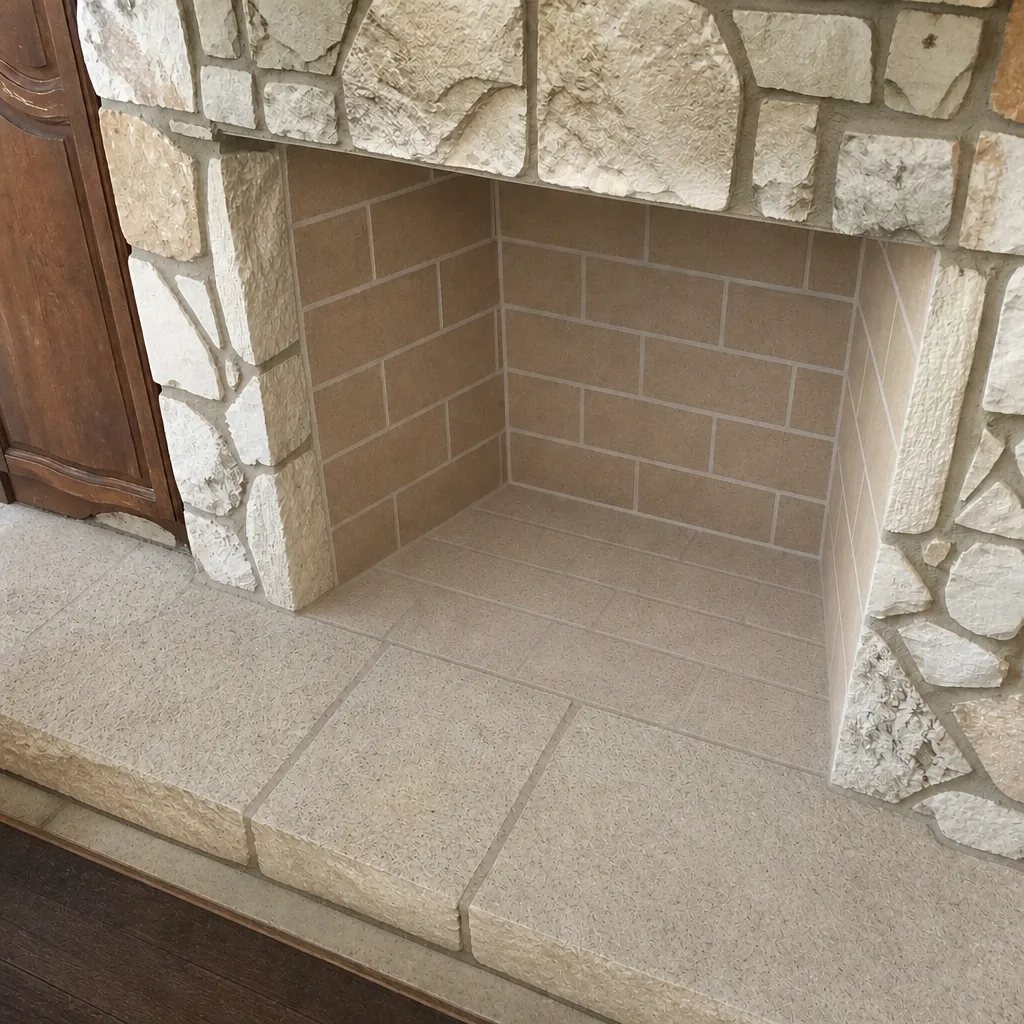
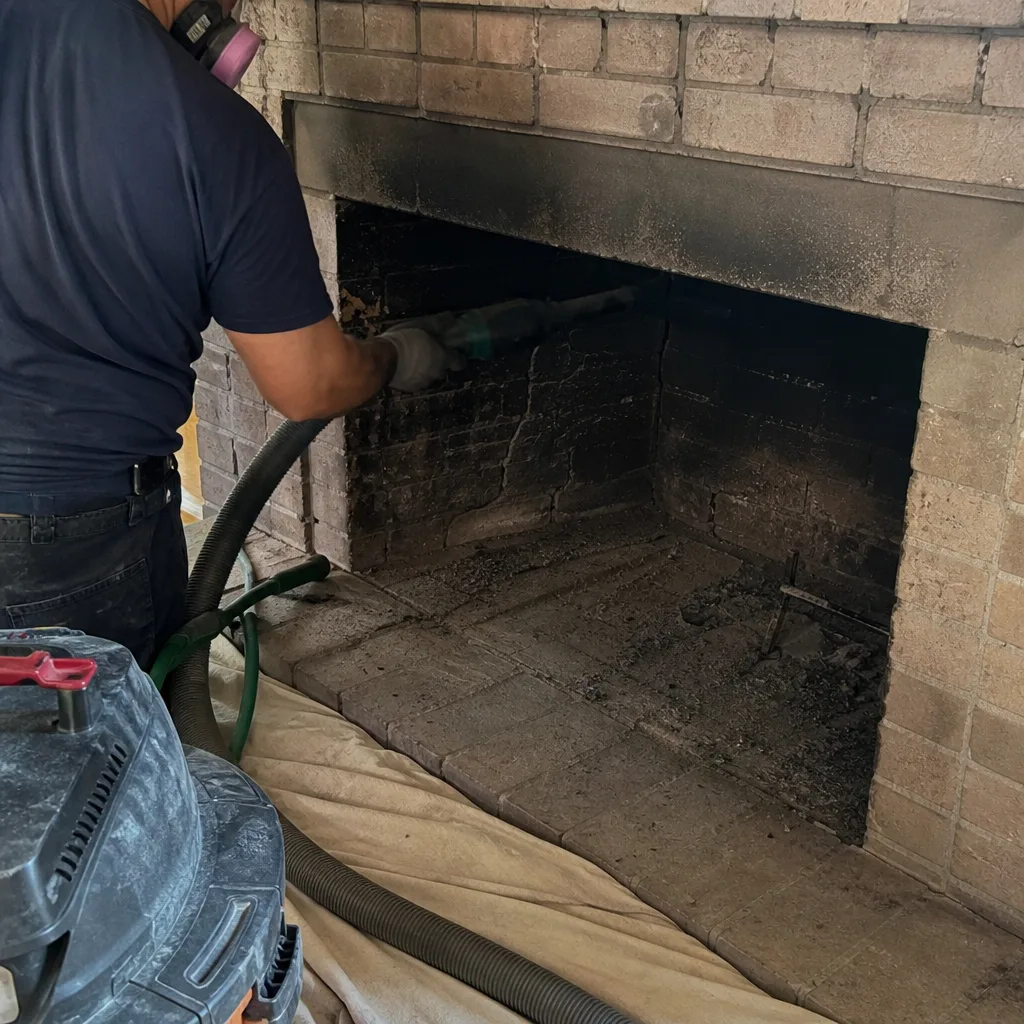
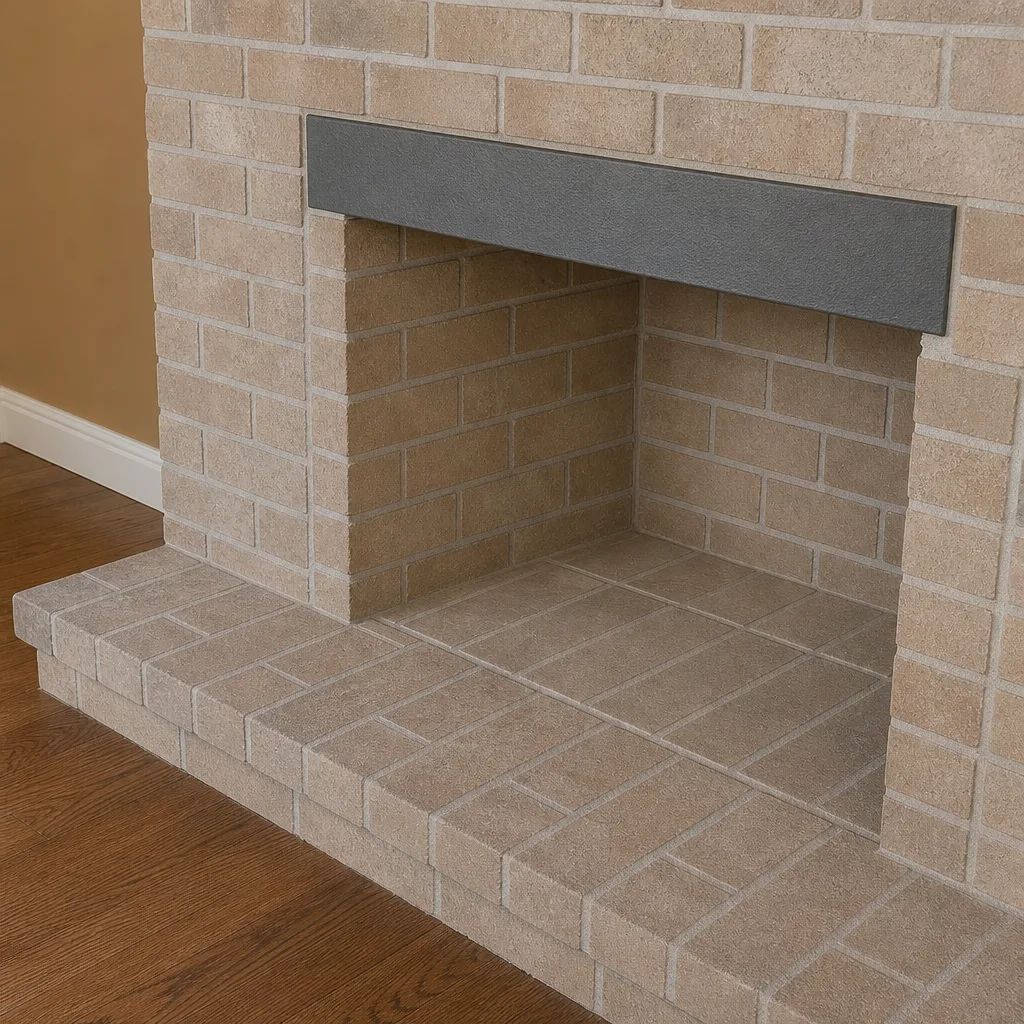
See the difference
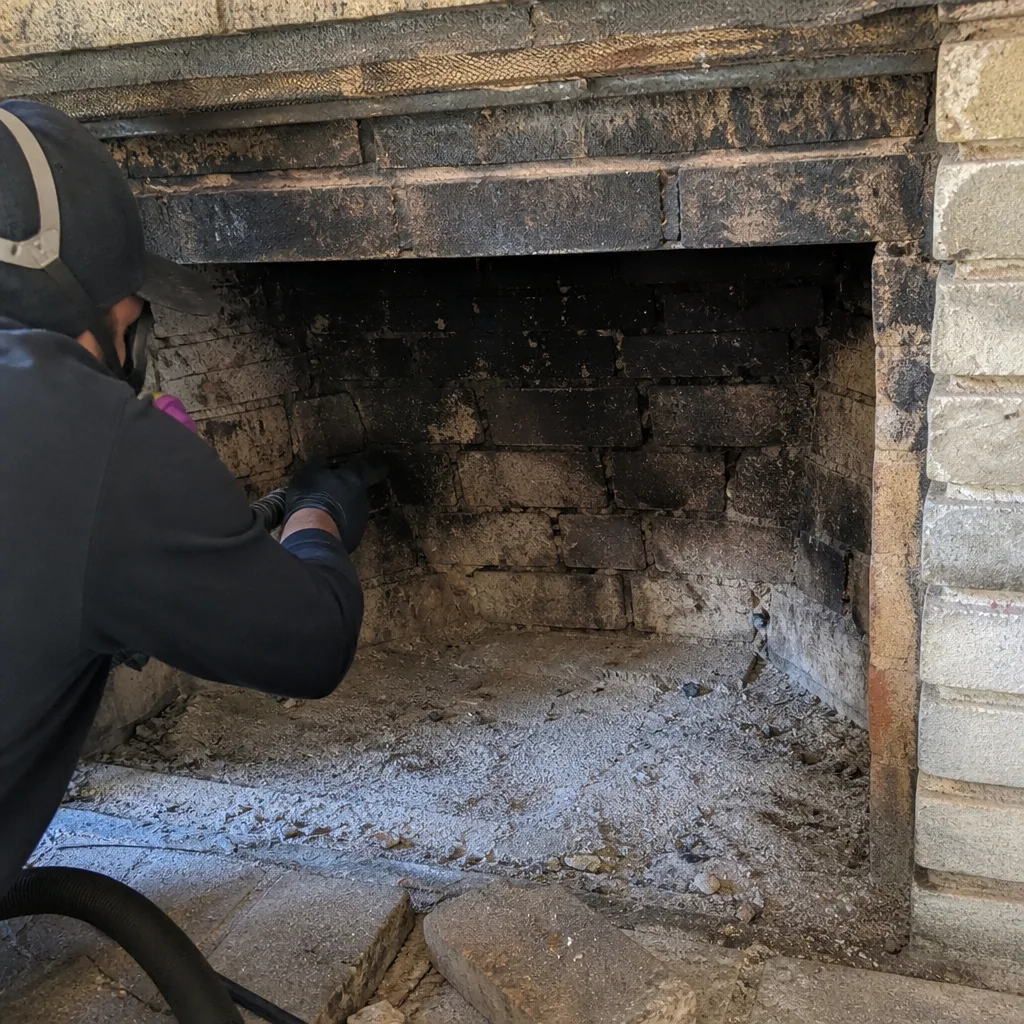 Before
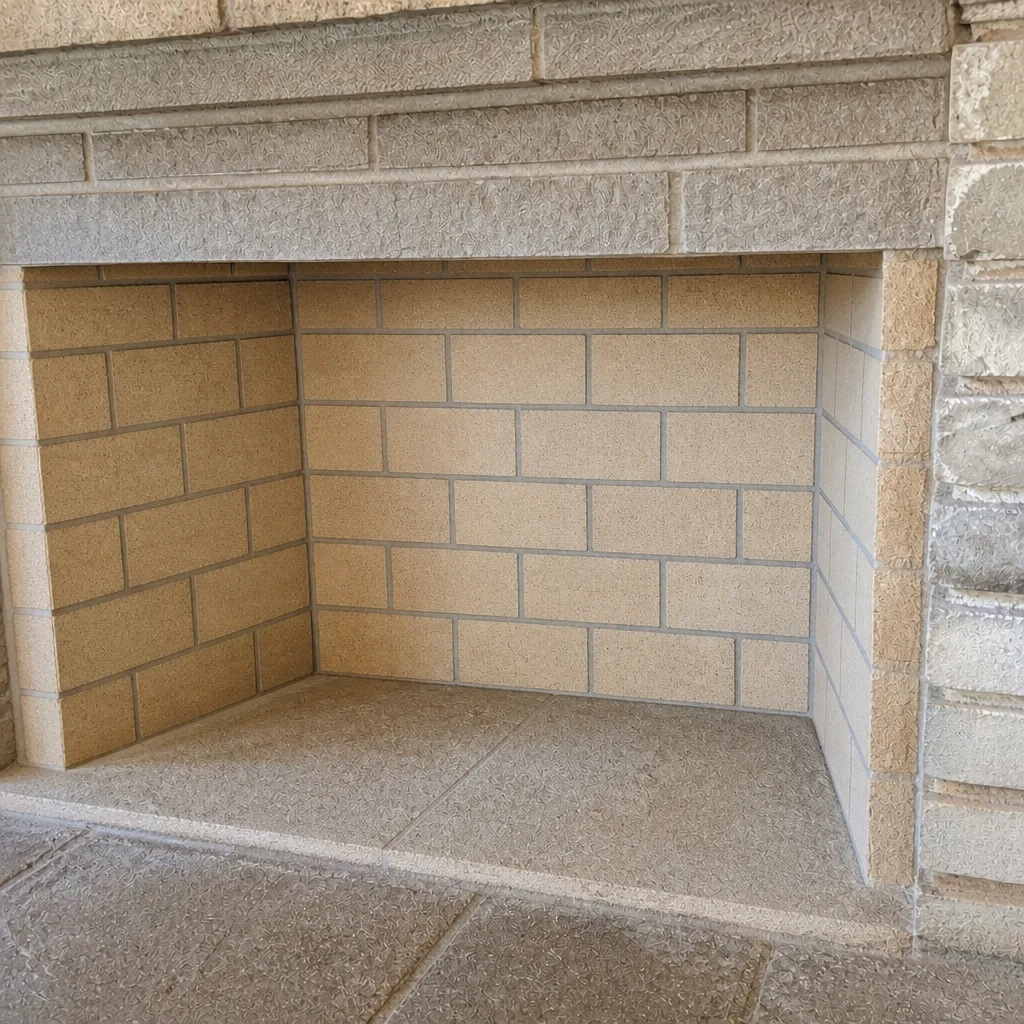 After
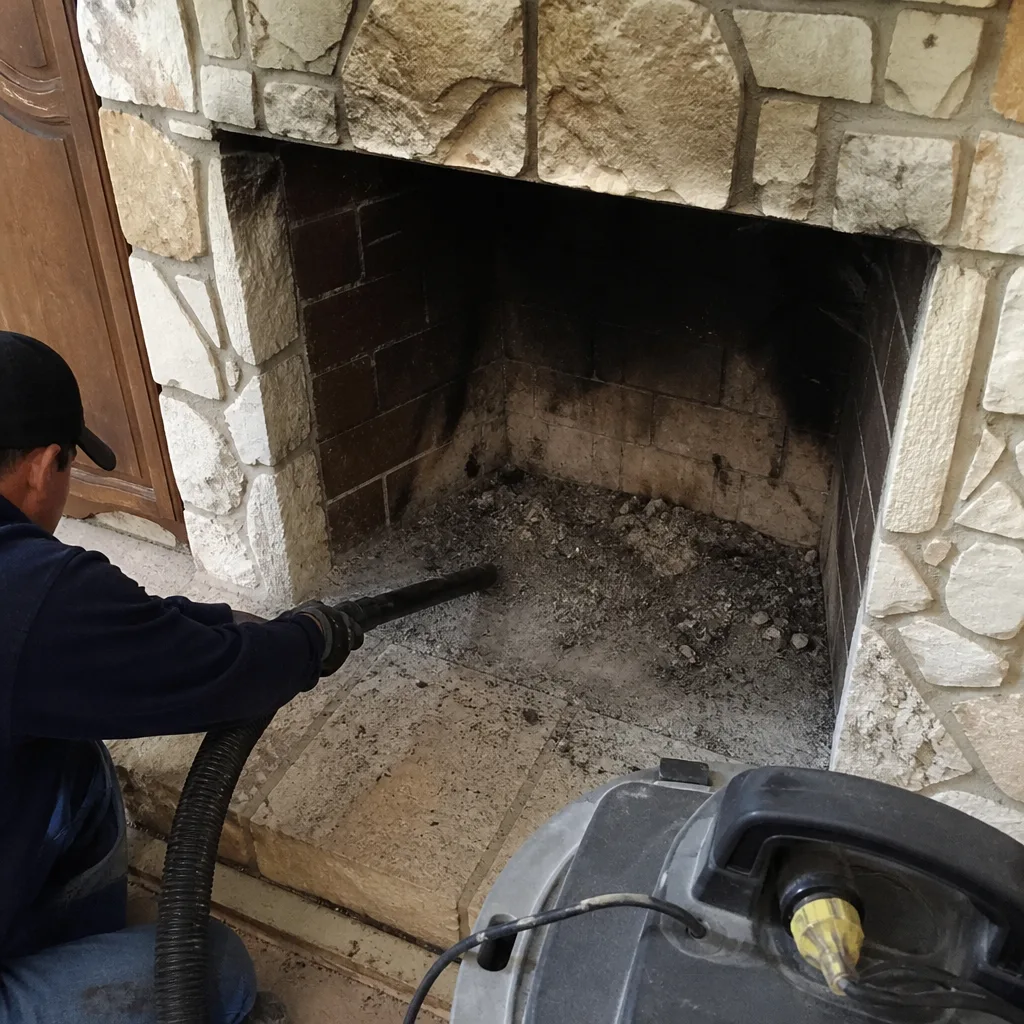 Before
 After
 Before
 After
When to Call a Professional
Call a professional the moment a finding goes beyond what you can see from the firebox: a water stain on the ceiling below the chimney, a cap you can see is loose or rusted, a smokey draft, a firebox crack you can slip a coin into, or any visible efflorescence or spalling brick on the exterior. Call if it’s been a year since the last sweep and inspection, or if a storm passed and you’re not sure the cap and flashing survived. Call if you’ve seen animals or wasps around the chimney. And call if you’re simply not sure what you’re looking at – the diagnosis is what tells you whether to clean, repair, or wait. Chimney Sweep Boca Raton offers free estimates in Boca Raton – call (877) 685-2248. We answer 24/7. Fast dispatch from 7am to 7pm, Sunday through Friday, and it’s a job for a trained technician every time.
Frequently Asked Questions
Annually if the fireplace is used regularly, and at least every two years with an inspection in between if it’s used lightly. The South Florida climate makes the annual inspection valuable even for a fireplace that only gets used a few times a season, because storm and humidity damage builds while the chimney is idle.
Yes, from the firebox opening with a flashlight. That’s enough to spot the state of the damper, the firebox panels, the lower flue, and any visible moisture signs. It’s not enough to judge the full flue liner, the crown, or the flashing – those need a camera and a trained eye. Call (877) 685-2248 when you’re ready for a real inspection.
Rust streaks, a bent or sagging cap, a loose or missing spark screen, and water stains inside the firebox or on the ceiling below. From the ground, rust at the seams and a screen that’s pulled away are the most common tells. If you see any of those, book a look before the fall.
Not always. A camera inspection determines what’s actually failed. A damaged flue interior can sometimes be resurfaced with HeatShield instead of torn out and replaced. If the damage is severe, a full liner (for example, a DuraFlex system) is the honest answer. The point is to diagnose before deciding.
That’s efflorescence – salt the masonry pushes out as moisture moves through it. It’s not harmful by itself, but it’s a signal that water is entering the chimney. Combined with spalling brick or crumbling mortar joints, it means a professional should look at the exterior before it becomes a bigger repair.
Yes. A documented service history shows a buyer’s inspector that the chimney has been maintained. Keep the dates, reports, and receipts from each visit, and pass them along when you sell. It’s a quiet but real asset in Palm Beach County’s market. Call (877) 685-2248 for your first documented visit.
The Bottom Line
A Boca Raton chimney checklist isn’t a northern one with Florida weather bolted on. It’s a rhythm built around what this climate does: storm-season damage to caps and screens, humidity working on mortar and brick, and long idle periods that invite animals and moisture. Check the firebox yourself a few times a year. Look at the cap, brick, and flashing from the ground after storm season. Book an annual sweep and inspection if you use the fireplace, and at minimum an inspection every other year if you don’t. Watch for early mortar failure and efflorescence, keep your records, and when a flag comes up, get a professional camera look before you accept a knee-jerk replacement. That pattern catches the small stuff before it grows, and keeps you from being sold work you don’t need. Call (877) 685-2248 for a free estimate. We answer 24/7. Fast dispatch from 7am to 7pm, Sunday through Friday. If you’d rather read up on the cleaning side first, our guide to a chimney sweep covers what to expect. If a repair is what you’re facing, our chimney repair page breaks down the options, and our home base page for Boca Raton tells you what we cover in the area.
Written by the team at Chimney Sweep Boca Raton.