
Last updated November 16, 2026
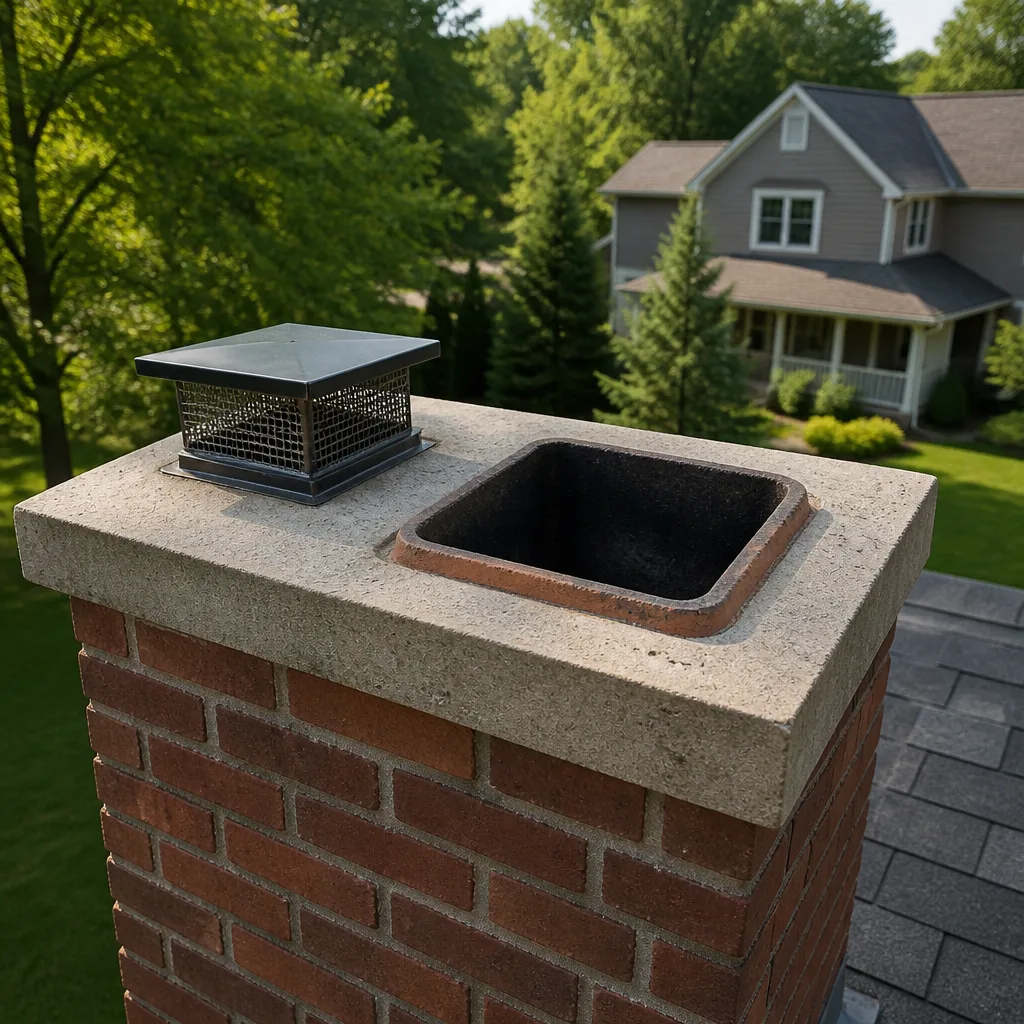 Sweep & inspection
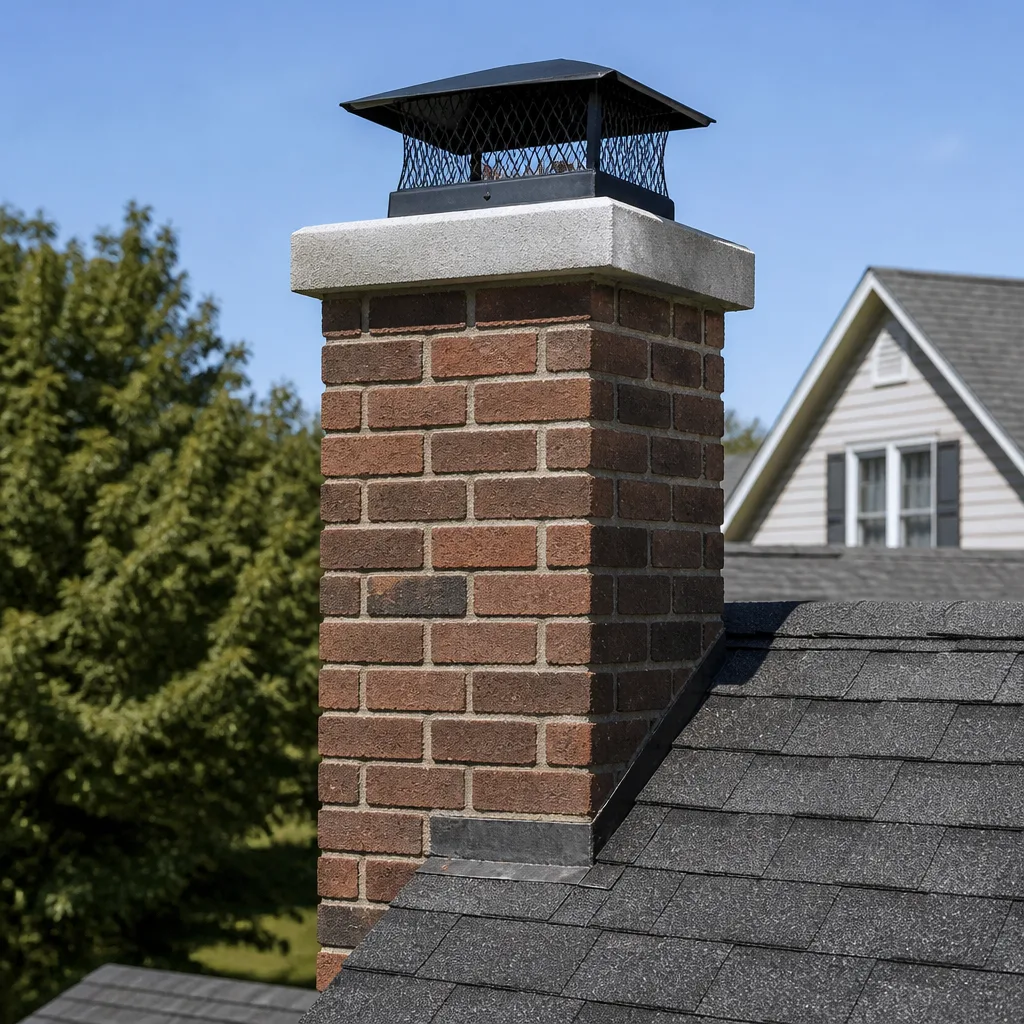 Caps & crowns
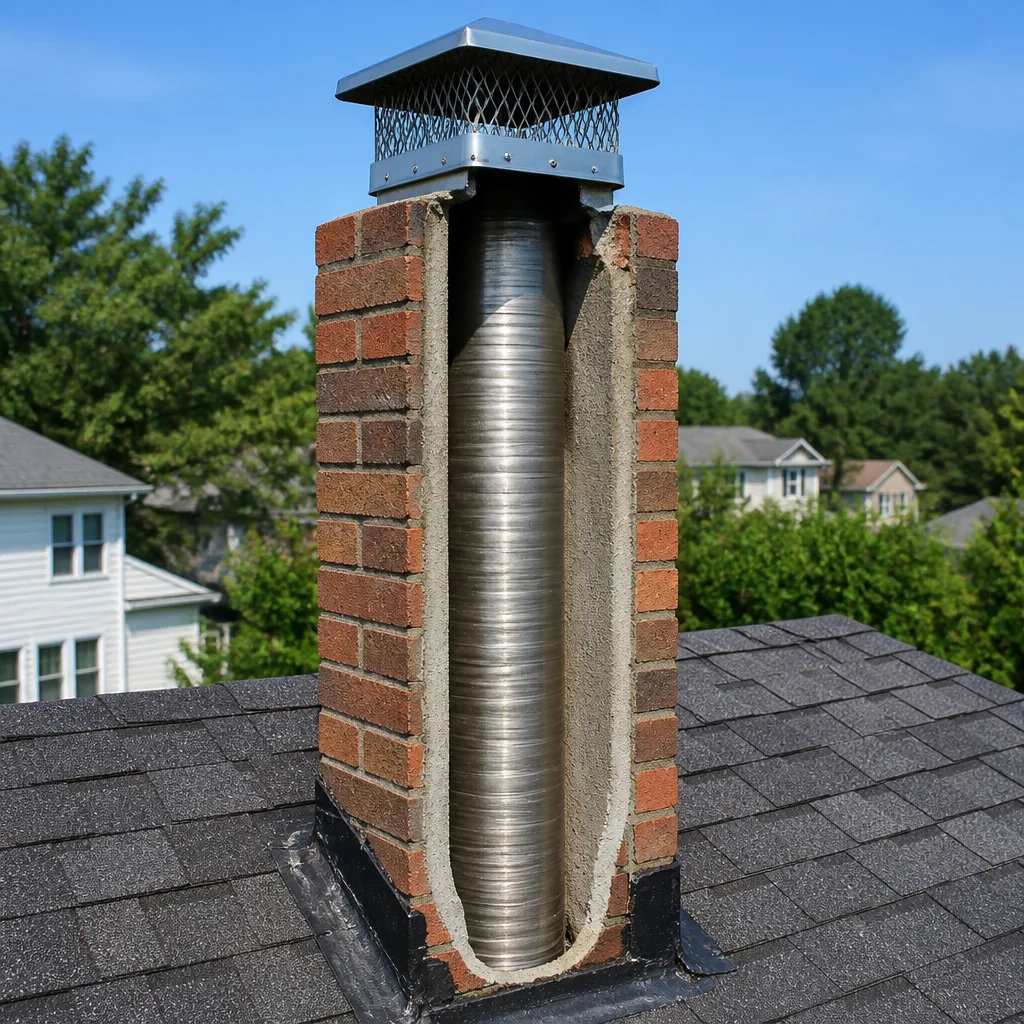 Flue relining
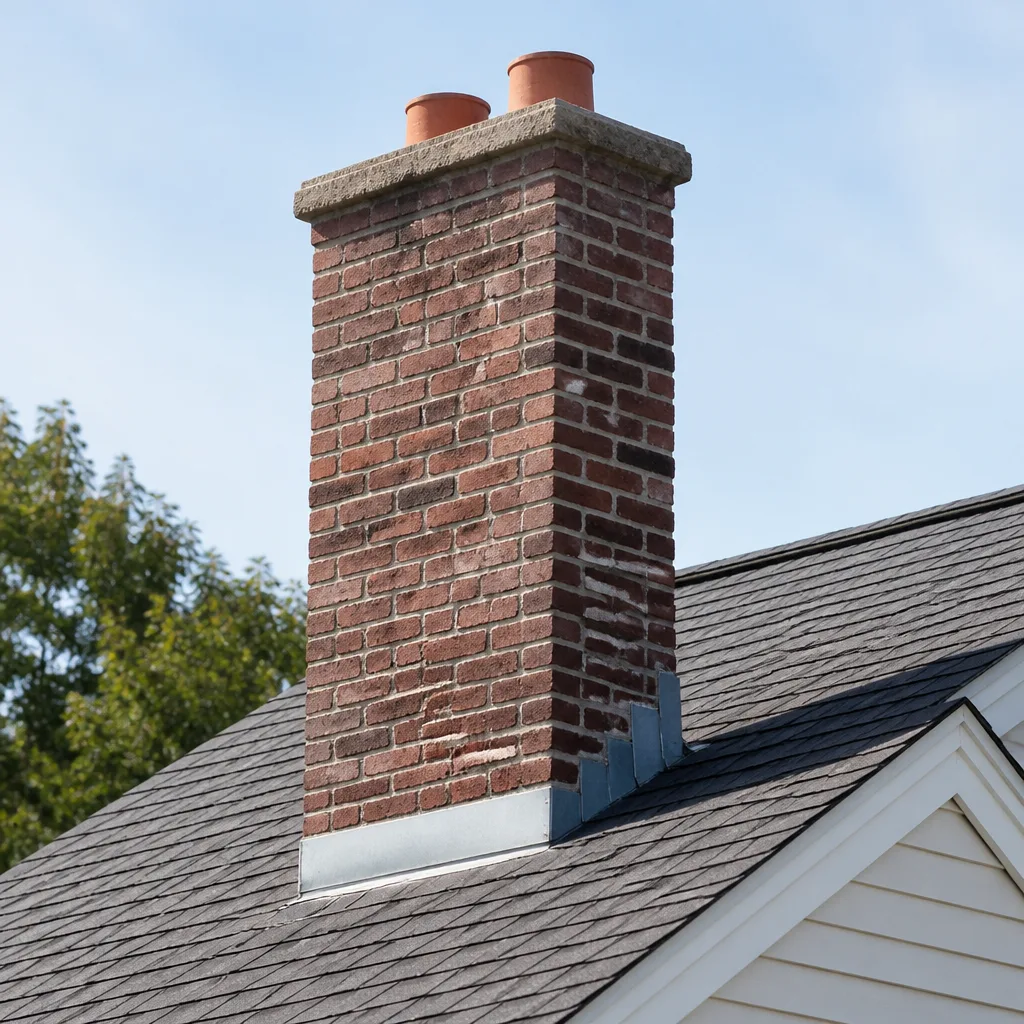 Masonry repair
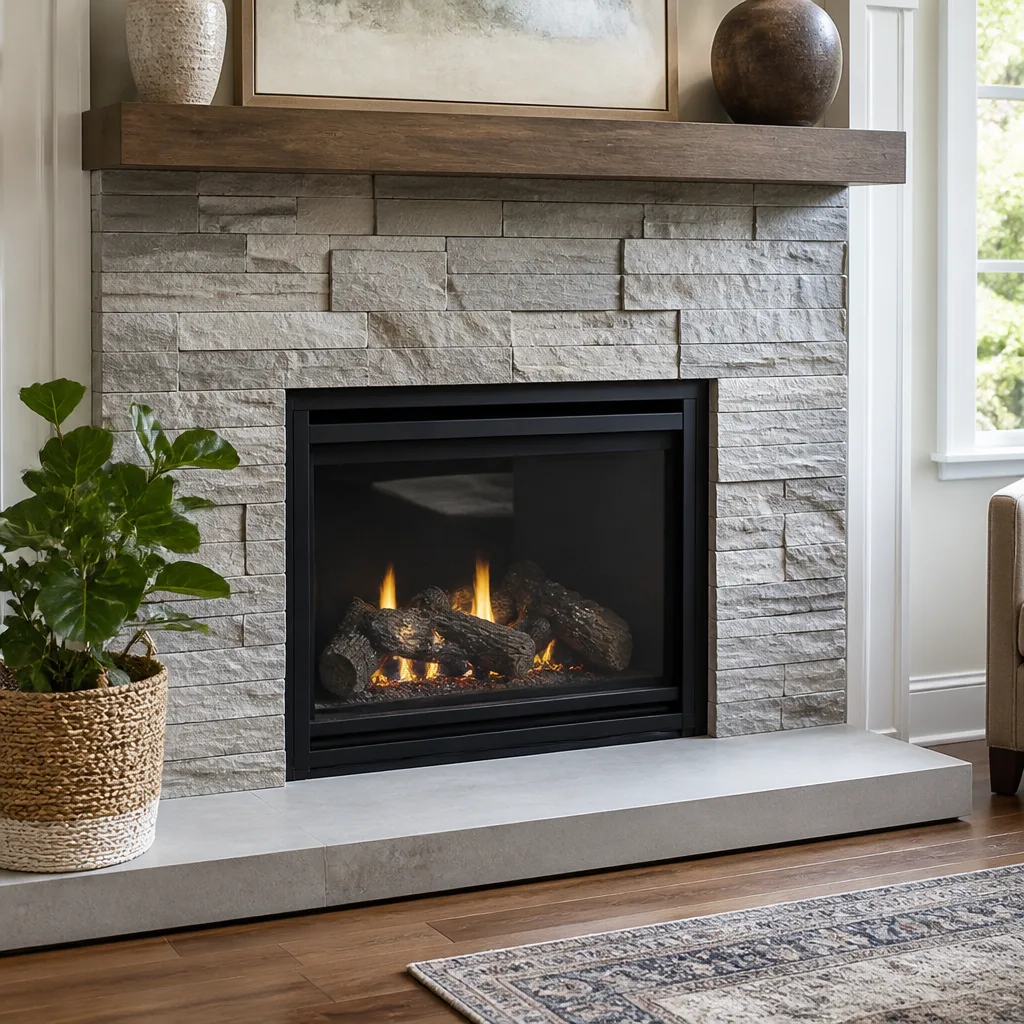 Gas fireplace service
Level 1 sweep and inspection to the NFPA 211 annual standard - flue, crown, cap, and flashing checked and photographed
Chimney sweep logs do not sweep chimneys. They loosen some creosote - which then falls where a brush and vacuum still have to collect it.
How to Hire a Chimney Cleaning Contractor in Boca Raton: A Step-by-Step Guide
There is no Florida state license that’s specific to chimney sweeps. That single fact changes how you should hire. Anyone can legally buy a brush kit, print a business card, and introduce themselves as a chimney professional. Some of them are good. Many aren’t. The difference between a credentialed specialist and a handyman with a shop vac usually comes down to three or four questions you ask before anyone climbs on your roof. This guide walks you through those questions, what the answers should sound like, what a real written estimate contains, and which red flags in a quote should end the conversation. If you burn wood in Boca Raton, this process is worth the twenty minutes it takes.
Quick Answer
To hire a chimney cleaning contractor in Boca Raton, verify credentials you can check on the spot (such as CSIA Certified Chimney Sweep or NFI certification), confirm both general liability and workers’ compensation insurance in writing, and insist on a quote that includes an inspection with photographic evidence. A legitimate sweep quotes sweeping and inspection together, arrives with rotary cleaning equipment and a video camera, and puts the scope in a written estimate before work begins. Flat-rate quotes that mention only sweeping, no inspection, are a warning sign rather than a bargain.
Styles & brands we work with
- Sweep & inspection
- Caps & crowns
- Flue relining
- Masonry repair
- Gas fireplace service
Table of Contents
- What Do Chimney Credentials Actually Certify?
- Why Insurance Is the Question Homeowners Skip
- What Equipment Should a Real Chimney Specialist Arrive With?
- Red Flags in a Chimney Quote
- How to Read a Written Chimney Estimate
- Why Chimney Care Looks Different in Boca Raton
- When Sweeping Turns Into a Repair Conversation
- A Step-by-Step Process for Booking the Right Contractor
What Do Chimney Credentials Actually Certify?
CSIA Certified Chimney Sweep and NFI certification are the two credentials worth asking about, and both mean something specific. The CSIA credential is issued by the Chimney Safety Institute of America and requires passing a proctored exam plus continuing education to maintain. NFI stands for the National Fireplace Institute, and its certifications cover gas, wood, and pellet hearth appliances. Neither is a state license. Both are third-party credentials a contractor has chosen to earn and keep current. That choice tells you something about how they treat the trade.
What matters more than the letters on a business card is whether you can verify them in the moment. A credentialed contractor will not be offended when you ask. They expect it.
How to Verify on the Spot
- Ask for the certification number and the certifying body. Write both down.
- Ask whether the certification is current. CSIA credentials require renewal, so an old card doesn’t guarantee a current certification.
- Look up the number on the certifying body’s website while the contractor is still in front of you, or ask them to show you the listing on their phone.
- Ask which technician is actually coming out and whether that person holds the credential. A company-level certification and a technician-level certification are not the same thing.
- Ask what continuing education the technician completed most recently. Vague answers here are common among operators who let their credentials lapse.
If someone tells you certification “isn’t required in Florida,” they’re technically right and missing the point. Nothing is required. That’s exactly why the credential is useful as a filter. In our experience, technicians who invest in certification also tend to do a more thorough inspection, document what they find, and explain the difference between a repair that’s needed now and one that can wait a season.
Why Insurance Is the Question Homeowners Skip
Almost everyone asks whether a chimney contractor is insured. Almost nobody asks which policies are in force. That gap matters, because general liability insurance protects your home and workers’ compensation insurance protects the person on your roof. A contractor can carry one without the other, and the difference shows up if someone gets hurt at your property.
General liability covers damage to your structure, your roof, or your belongings. If a technician drops a tool through a skylight or damages flashing while working near your chimney crown, that’s the policy that responds. Workers’ compensation covers the technician’s medical care and lost wages if they’re injured on the job. Without it, a homeowner can face uncomfortable questions about liability for an injury that happened on their property.
How to Confirm Coverage
- Ask for a certificate of insurance before the appointment, not after.
- Read it and confirm both general liability and workers’ compensation appear with current effective dates.
- Ask whether the policy covers subcontracted labor. Some companies send employees; some send subs.
- Confirm the certificate names the correct legal entity, not just a trade name.
- Keep the certificate with your other home records. If a dispute ever arises, you’ll want it.
A chimney sweep in Boca Raton who works on roofs and in confined flue spaces carries real physical risk. Roof work on a steep pitch, ladder placement, and heat exposure in warm months all add up. A contractor who can produce a workers’ comp certificate without hesitation is telling you they’ve thought about their own people. That usually means they’ve thought about your chimney too.
For a deeper look at what a professional sweep actually involves versus a surface brushing, our chimney sweep page explains the process step by step.
What Equipment Should a Real Chimney Specialist Arrive With?
A legitimate chimney specialist arrives with tools that cost more than a shop vac, and the equipment on the truck tells you a lot before anyone says a word. The three pieces worth watching for are a rotary cleaning system, a video inspection camera, and a moisture meter.
Rotary cleaning systems use spinning whips or chains to scrub creosote from the flue walls. A hand brush pushes through and leaves the glaze behind. Creosote that has reached the third-degree stage behaves like tar and needs mechanical removal, not a stiff bristle. If a technician shows up with only brushes and a vacuum, the sweep is incomplete by design, even if it looks tidy.
A video inspection camera lets the technician see inside the flue from top to bottom and record what’s there. This matters for a specific reason: you can’t verify a repair recommendation without it. When a company tells you a flue liner is cracked, a camera image is the evidence. When they tell you it’s fine, the same camera image proves that too. Either way, you should be shown the footage or given photos before you approve anything.
A moisture meter measures water content in masonry. It’s used when there are signs of water intrusion around the chimney crown, flashing, or stack. Without it, a technician is guessing.
Beyond the three core tools, a well-equipped specialist will usually have on hand:
- Drop cloths and containment sheeting to keep soot out of your living space
- A high-efficiency HEPA vacuum rated for fine ash and soot
- Ladders, roof protection pads, and harness equipment
- Replacement chimney caps and venting components
That last item is worth a note. A company that works with professional-grade brands like Gelco or Famco can fit a cap at the point of service rather than scheduling a second visit. If a technician finds a missing or rusted cap, being able to seal it on the spot is a real difference in how the job gets finished. For repairs that go deeper than a cap, our chimney repair page covers what the fix typically looks like.
Red Flags in a Chimney Quote
The clearest red flag in a chimney quote is a flat rate for sweeping that makes no mention of an inspection. A sweep without an inspection is half the job, and pairing them in the same quote is standard practice for anyone who takes the work seriously. A cut-rate sweep price that assumes you won’t ask about the inspection is a signal, not a deal.
Several other patterns come up regularly in South Florida. Here’s what to watch for.
A Quote That Skips the Inspection Line Item
Sweeping removes what’s in the flue. Inspection tells you what state the flue is in. If a quote lists only sweeping, either the inspection isn’t happening or it’s being added later as an upsell. Ask directly whether a camera inspection is included and whether you’ll receive photos or a written report.
No Written Estimate Before Work Starts
Verbal pricing is a red flag. A credible contractor provides a written estimate that lists scope, price, and what’s included before any equipment comes off the truck. If a technician arrives and the number changes, stop and ask why in writing.
Urgency Around a Repair You Can’t See
If a technician tells you a new liner is required and doesn’t show you the video or photos, ask to see them. A legitimate repair recommendation is backed by something you can look at. If the answer is “trust me,” don’t. A company that diagnoses with evidence will not mind the ask.
Vague Brand Names or “Quality Parts” Language
Ask what specific product the repair will use. Professional-grade manufacturers make specific branded systems. If the answer is a general assurance about quality without naming what goes into your chimney, keep asking. Named materials tell you exactly what’s being installed, and you can look up what those products are.
No Local Address or Verifiable Business Identity
This matters in a market like Boca Raton, where seasonal residents and out-of-state owners often hire remotely. Confirm the legal business name, ask for the certificate of insurance, and search the business name in a public database. A real operation shows up.
Pressure to Bundle Services You Didn’t Ask For
Repairs come up. Some are urgent. Others can wait a season. A technician who presents every finding as immediate is selling rather than diagnosing. Ask the question directly: “Which of these items can safely wait until next season?” A credible answer will distinguish.
How to Read a Written Chimney Estimate
A written chimney estimate should show you scope, price by line item, and what’s not included. The line items tell you exactly what the company intends to do, and the “not included” language protects you from scope creep that shows up as a surprise on the invoice.
The Line Items That Should Be There
- Sweeping: the flue or appliance being cleaned, and the method (rotary system, by flue, by connector)
- Inspection: the level performed (Level 1, 2, or 3), whether a camera is used, and whether a written report or photos are provided
- Repairs (if any): itemized by location, with specific material named
- Chimney cap or venting corrections: whether included or quoted separately
- Disposal: whether the contractor removes debris or leaves it behind
- Price: a single total, plus clarification on whether tax is included
Language That Hides Scope Creep
Watch for phrases like “additional repairs as needed,” “labor only,” or “from $X.” Each of those lets the final price move after work begins. That’s not necessarily dishonest, but it should come with a written process for approving additional work. If the estimate doesn’t include it, ask what happens if the technician finds something during the sweep. Get the answer in writing.
A well-written estimate also tells you what won’t be done. That matters because it protects both sides. “We’re not resurfacing the crown during this visit” is a clearer statement than leaving that scope open. In our experience, homeowners who know exactly what the quote covers are less likely to feel blindsided and more likely to trust the recommendation the next time it’s needed.
For a sweep appointment where you want to know what pricing and process look like up front, our team’s overview of Chimney Sweep Boca Raton is a reasonable starting point.
Why Chimney Care Looks Different in Boca Raton
Boca Raton’s warm climate changes how chimney problems show up. Winters are mild, which means fireplaces and wood stoves often sit idle for months at a time. That idle stretch is exactly when water intrusion does its slow work, and it’s also when a homeowner has no reason to look up the flue.
The most common pattern we see in the area is a chimney that hasn’t been used since the last cold snap but has been quietly absorbing moisture around the crown or flashing. Once masonry gets wet, deterioration accelerates. A thorough inspection catches those issues early, during a season when they’re not yet urgent. Sweeping catches the other half: creosote buildup and any obstruction that might have formed while the chimney was inactive.
Burning behavior in Boca Raton tends to be concentrated in short, intense stretches when a cold front moves through, rather than steady daily use through a winter. That pattern leaves heavier creosote deposits in a compressed timeframe. A chimney that looks lightly used on paper can still accumulate meaningful soot during one cool week. Seasonal inspection matters more here, not less.
Housing stock in this area varies enough that a single sweeping method won’t fit every chimney. Older masonry chimneys in established neighborhoods around Boca Raton follow different profiles than newer construction with factory-built fireplaces and venting. Both need a sweep and inspection, but the diagnostic concerns are different. That’s part of why the conversation with your contractor should start with the specific chimney type, not a generic pricing sheet.
Ventilation in tighter modern houses also matters. A fireplace that draws poorly in a well-sealed home may need a venting correction rather than more cleaning. A technician who carries Gelco or Olympia Chimney components can diagnose that during the inspection rather than leave it as an unresolved question.
When Sweeping Turns Into a Repair Conversation
A sweep sometimes reveals problems that need real repair, and the moment that happens is where hiring well pays off. The right company can diagnose, explain, and fix. The wrong setup leaves you calling around for a second vendor who has to re-open the job to understand what the first one found.
In our experience, the most common repair conversations come down to three areas.
Deteriorated Flue Liners
Clay tile liners crack and spall over time. When a flue liner is damaged, the chimney can leak heat and gases into surrounding framing and hidden cavities. Historically, that meant a full reliner or rebuild. HeatShield resurfacing is a middle path: the damaged interior is repaired in place rather than torn out. It’s not a fit for every situation, but for many deteriorating flues it avoids the cost and disruption of a full rebuild. Being able to offer that option is a reason to hire a specialist rather than a generalist.
Flues With Bends or Offsets
Chimneys don’t always run straight. Older masonry chimneys often have offsets built into the flue. A rigid liner can’t navigate those bends. A flexible system like DuraFlex is engineered for exactly that kind of configuration. If a contractor tells you an offset flue can’t be relined, they may just not carry the right product.
Chimney Caps and Venting
A missing or damaged cap lets water in, animals nest inside, and downdrafts pull smoke back into the house. Gelco and Famco cap and venting products let a technician close that gap during the same visit. Handling it at the point of service means no second appointment and no second contractor interpreting the same problem.
If a recommendation for repair comes up, ask to see the camera footage and the specific product model being proposed. Any repair worth doing can survive that question. If the technician can’t produce them, get a second opinion.
A Step-by-Step Process for Booking the Right Contractor
Here’s the sequence we recommend for anyone hiring in Boca Raton. It’s the same checklist we’d want used on our own homes.
- Shortlist three contractors. Include at least one with verifiable CSIA or NFI credentials and at least one that offers both sweeping and inspection in the same visit.
- Request certificates of insurance before booking. Confirm general liability and workers’ compensation, with current effective dates.
- Ask which technician will perform the work and whether that person is certified. Company-level credentials and technician-level credentials aren’t the same thing.
- Ask what equipment will be used. Rotary cleaning system, video inspection camera, moisture meter. Ask specifically what gets photographed and whether you’ll receive the images.
- Get a written estimate. Confirm what’s included, what’s not, and what happens if something is found during the sweep.
- Ask the “what can wait” question. Legitimate repair recommendations can be prioritized. Ask which items can safely wait until next season.
- Watch how the technician handles the “can I see the photos?” question. Willingness to share evidence is the clearest signal of a company that isn’t running an upsell.
- Keep the report. Whether it’s a clean sweep with no findings or a list of repairs, keep the record. It becomes your baseline for the next inspection.
Two of these steps are the ones homeowners skip most often. Requesting the certificate of insurance is one. Asking to see the photos is the other. Both are dirt cheap to do and both screen out the majority of unqualified operators before they get on the roof.
Common Mistakes to Avoid
- Hiring on price alone. A very low sweep quote is often a loss leader for an inspection pitch you didn’t ask for, or a sweep that skips the flue inspection entirely. Look at what’s included before comparing numbers.
- Assuming certification is required. It isn’t, in Florida or in Boca Raton. That’s precisely why you have to ask about it. A contractor who doesn’t hold any credentials may still do decent work, but you have no third-party confirmation of that.
- Skipping the workers’ comp question. General liability is the one everyone remembers. Workers’ comp is the one that protects you if a technician is injured on your property. Ask for both.
- Approving a liner repair without seeing the flue. If the recommendation is for a several-thousand-dollar relining job and you haven’t seen the camera footage, you’re guessing. Ask to see it before you decide.
- Waiting years between inspections because the fireplace isn’t used much. Mild winters mean long idle periods. That’s when water intrusion and nesting happen. An annual sweep and inspection catches both.
- Hiring a general handyman for chimney work. Chimney flues are a specialized system. Generalist contractors often lack the camera equipment, the professional-grade components, and the credentials to diagnose or repair properly.
- Not getting the scope in writing. A verbal estimate that changes on the day of service is common enough that written scope is worth insisting on. It protects you and it clarifies expectations for the technician.
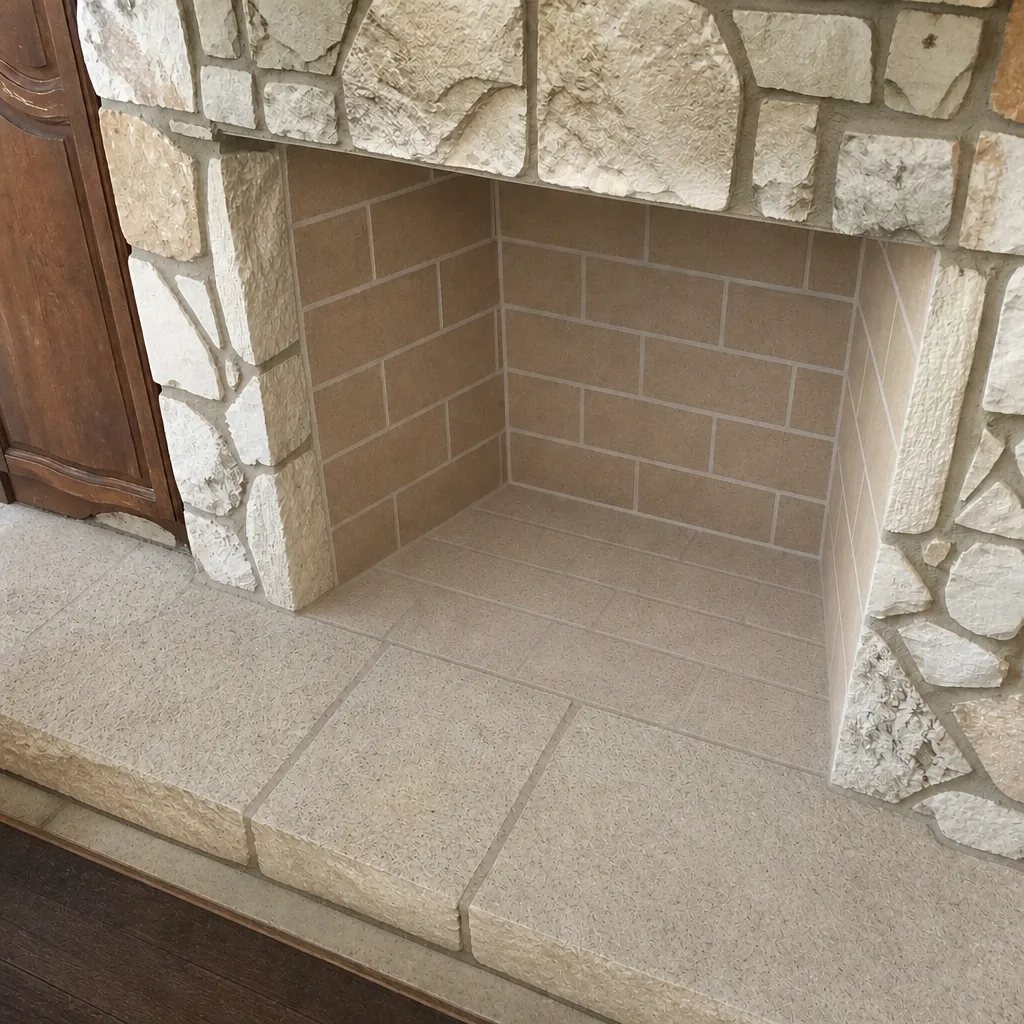
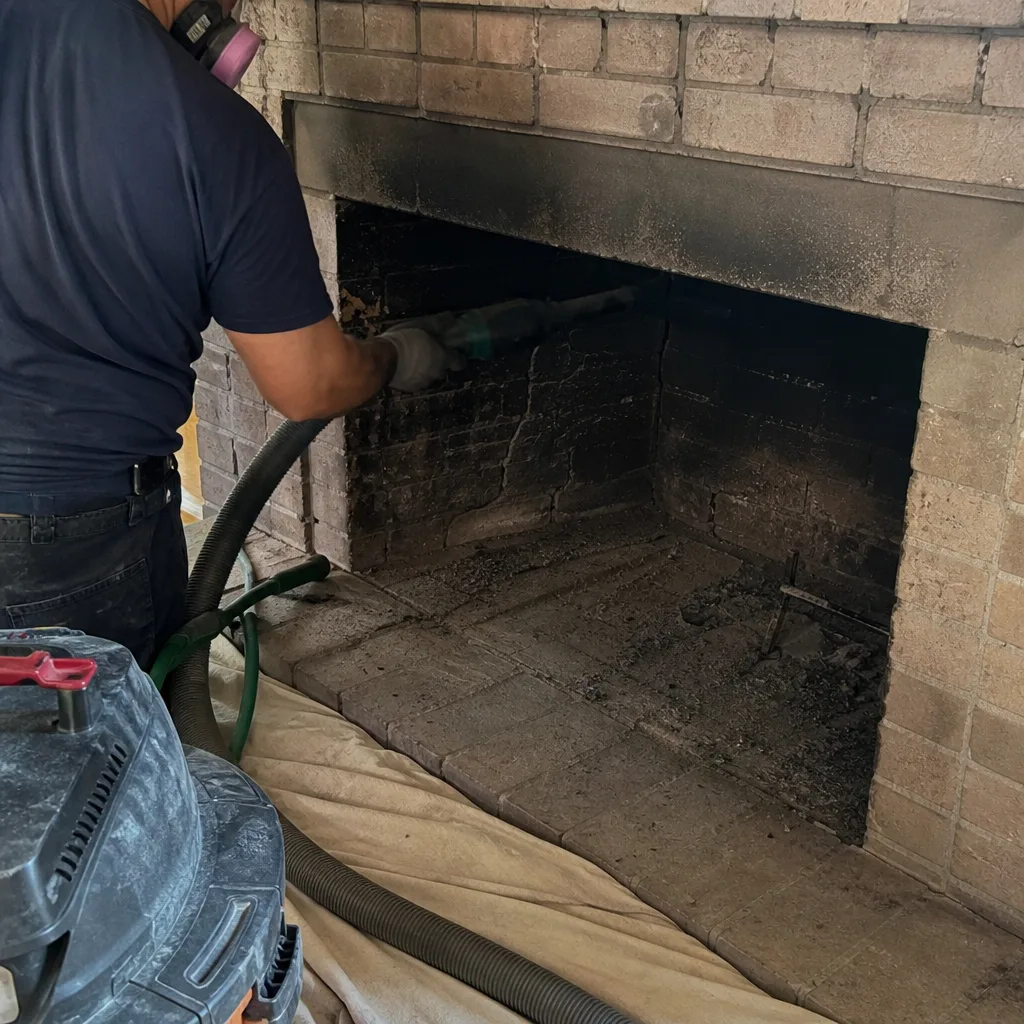
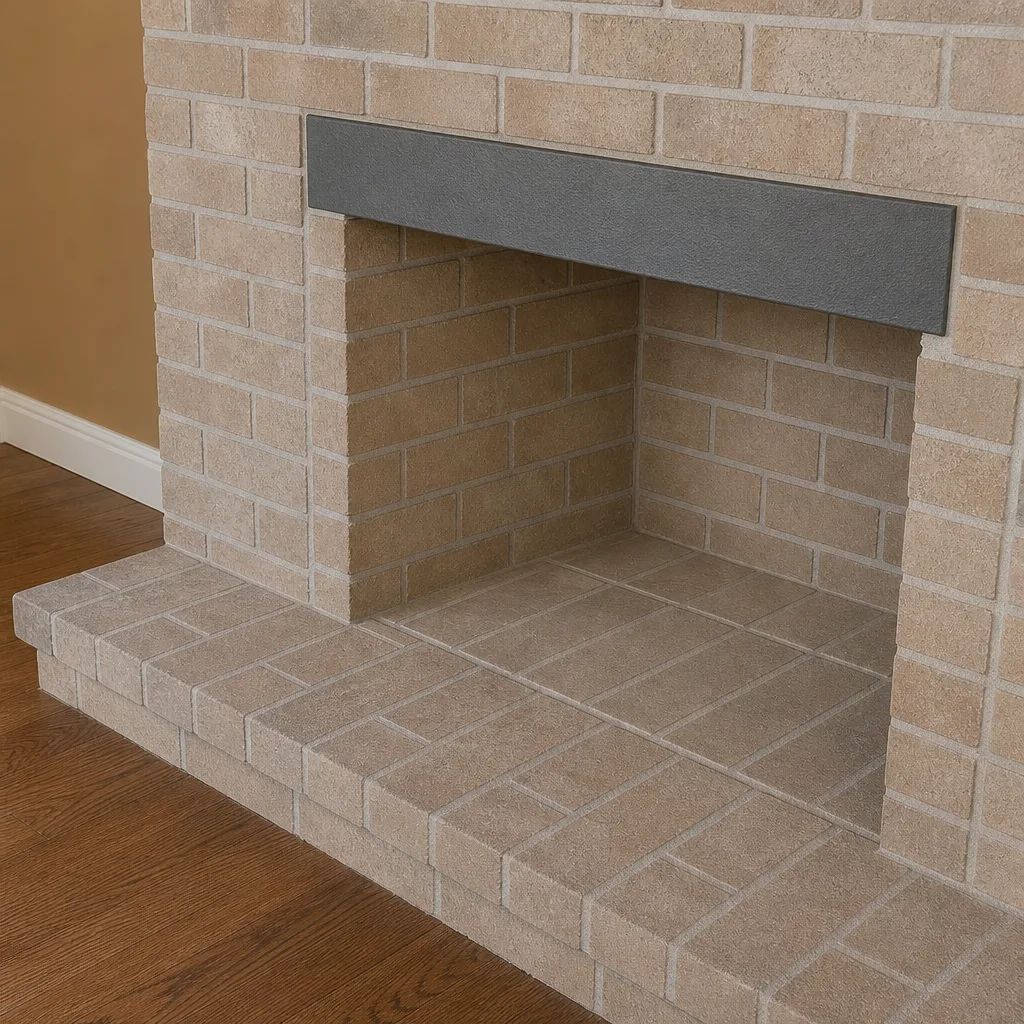
See the difference
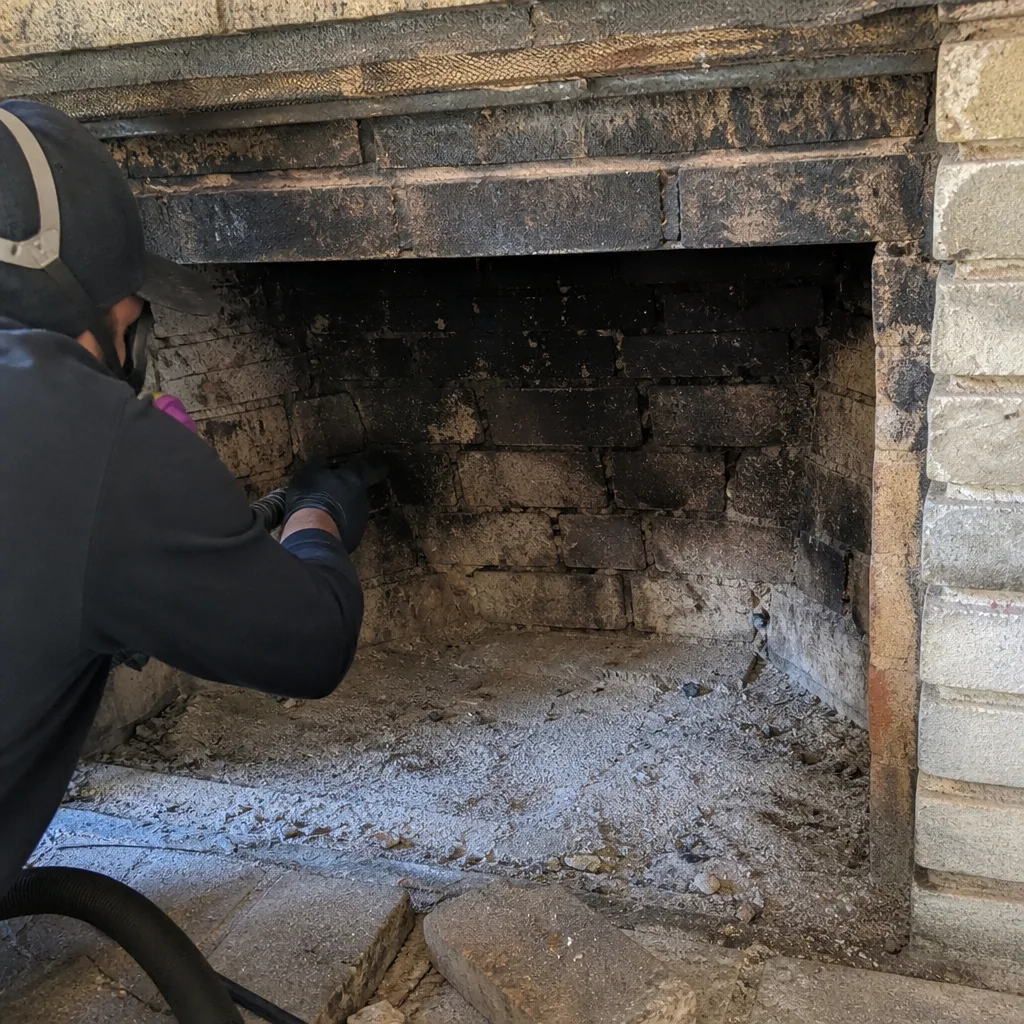 Before
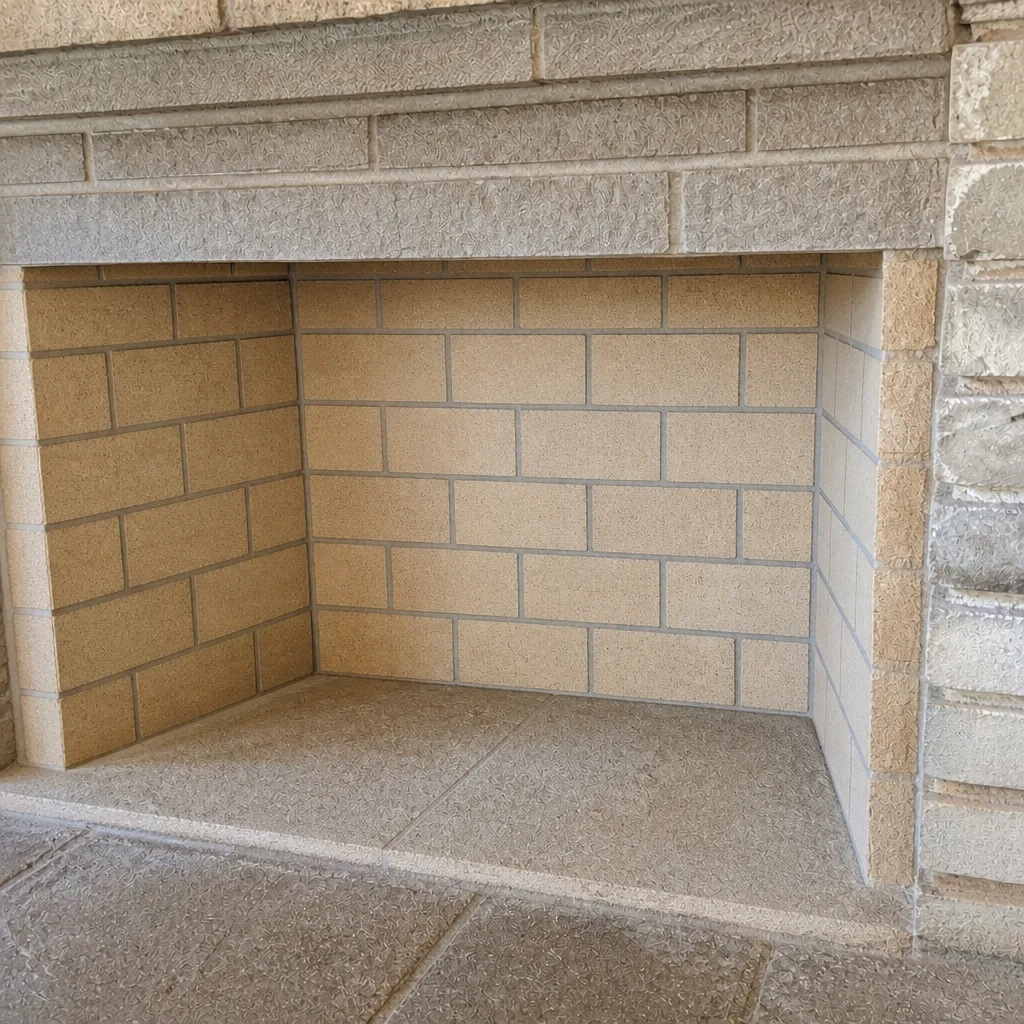 After
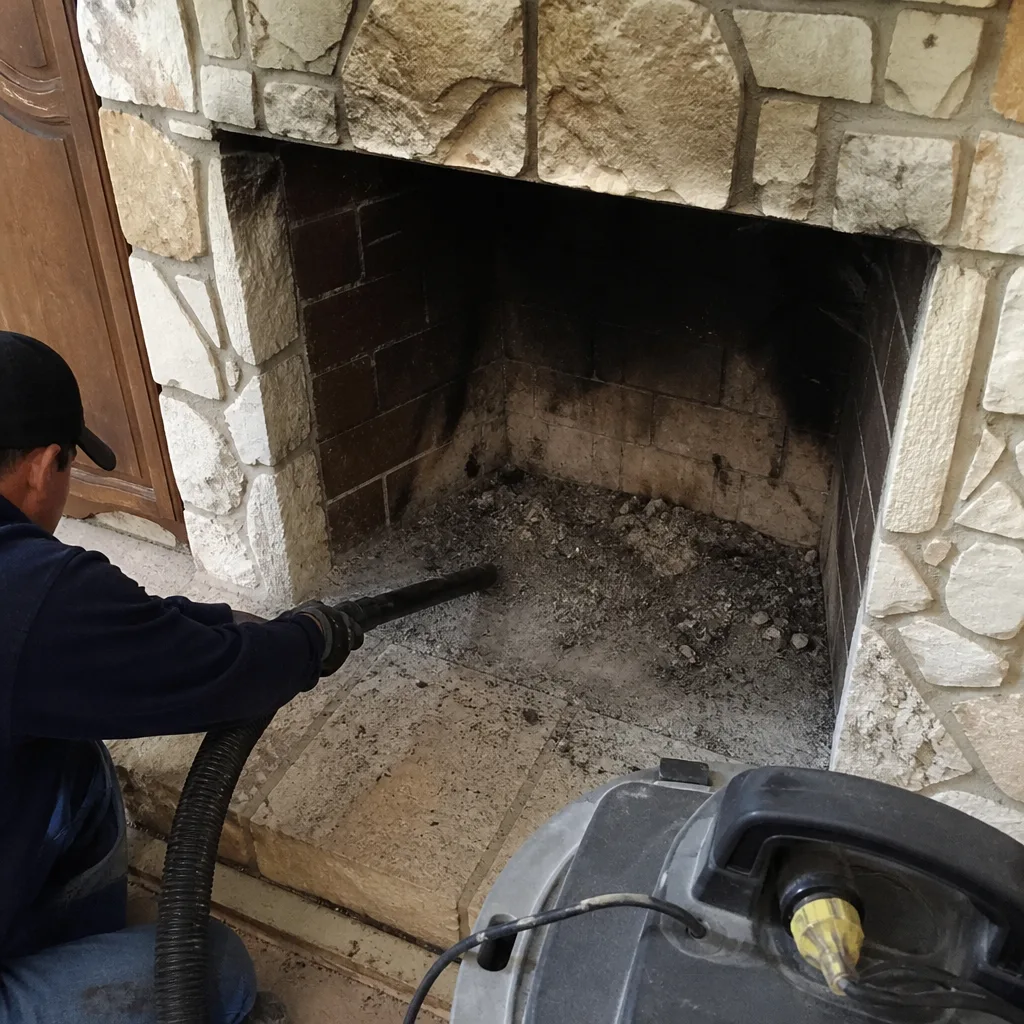 Before
 After
 Before
 After
When to Call a Professional
Call a professional chimney contractor when you don’t have a documented inspection from the past year, when you’ve burned through at least a cord of wood since the last sweep, when you notice smoke spilling into the room, or when you smell a strong creosote odor even when the fireplace is cold. Any of those is a reason to book an inspection rather than wait. So is a chimney that’s never been inspected since you moved in. Carbon monoxide risk and chimney fire risk are both reasons to act, and both are addressed during a sweep and inspection, not by guesswork.
Chimney Sweep Boca Raton offers free estimates in Boca Raton. Call (877) 685-2248 for a written estimate, a camera inspection, and a plain explanation of what we find. We answer 24/7. Fast dispatch from 7am to 7pm, Sunday through Friday.
Frequently Asked Questions
Florida doesn’t issue a state license specific to chimney sweeps, so there’s no license number to check. Instead, ask about third-party credentials such as CSIA Certified Chimney Sweep and NFI certification, and verify them directly. A contractor who carries a current certification and can show you the listing is the closest thing to a licensed professional in this trade. Call (877) 685-2248 for an exact quote. Estimates are free.
A chimney contractor should carry both general liability insurance and workers’ compensation insurance, and should provide a current certificate of insurance before the appointment. General liability covers damage to your home; workers’ comp covers the technician if they’re hurt on the job. Ask for both and keep the certificate on file. Call (877) 685-2248 if you’d like to see our coverage documentation before booking.
Most wood-burning chimneys should be swept and inspected once a year, and more often if the fireplace sees heavy use. Even in Boca Raton’s mild climate, long idle stretches let moisture and nesting issues develop. An annual visit catches both creosote buildup and water damage before either becomes expensive. Call (877) 685-2248 to schedule a sweep and inspection.
A liner is only necessary when the flue interior is actually failing, and the way to verify that is with a camera inspection you can see. Ask the technician to show you the footage and point out exactly what’s damaged. If a HeatShield resurfacing is possible, that’s often a less costly path than full liner replacement. If the technician can’t produce the evidence, get a second opinion before you approve the repair. Call (877) 685-2248 for a second look at the existing inspection report.
Skipping a sweep leaves creosote in the flue, and creosote is the fuel that chimney fires burn. A neglected chimney can also conceal a cracked flue liner, which allows combustion gases and carbon monoxide into the home. Those are the two reasons annual inspection matters, and neither is visible from the fireplace opening. Call (877) 685-2248 to book a sweep and inspection before the next burn season.
A chimney sweep in Boca Raton typically runs in the range of a routine service appointment, with inspection included in the same visit. The exact price depends on the flue configuration, whether a camera inspection is part of the sweep, and whether any repair work is needed. The written estimate sets the final price. Call (877) 685-2248 for an exact quote. Estimates are free.
The Bottom Line
The most reliable way to hire a chimney cleaning contractor in Boca Raton is to run a short, specific checklist before anyone gets on the roof. Verify the CSIA or NFI credentials in the moment. Confirm general liability and workers’ comp insurance in writing. Expect rotary cleaning equipment, a video inspection camera, and a moisture meter on arrival. Read the written estimate carefully and ask which findings can safely wait until next season. If a repair recommendation shows up, ask to see the camera footage before you approve anything.
None of that requires special knowledge. It requires deciding to ask the questions. The right contractor will welcome them, and the wrong one will show themselves quickly. A full-service specialist can sweep, inspect, and repair under one roof, which matters when the same technician who finds a problem is the one who fixes it.
Chimney Sweep Boca Raton covers sweeping, inspection, and repair, and uses professional-grade materials including HeatShield resurfacing systems and DuraFlex flexible liners when a repair is required. Our technicians have up to 14 years of experience. If you’re ready to book, call (877) 685-2248 for a free estimate. We answer 24/7. Fast dispatch from 7am to 7pm, Sunday through Friday.
Written by the team at Chimney Sweep Boca Raton.