
Last updated November 16, 2026
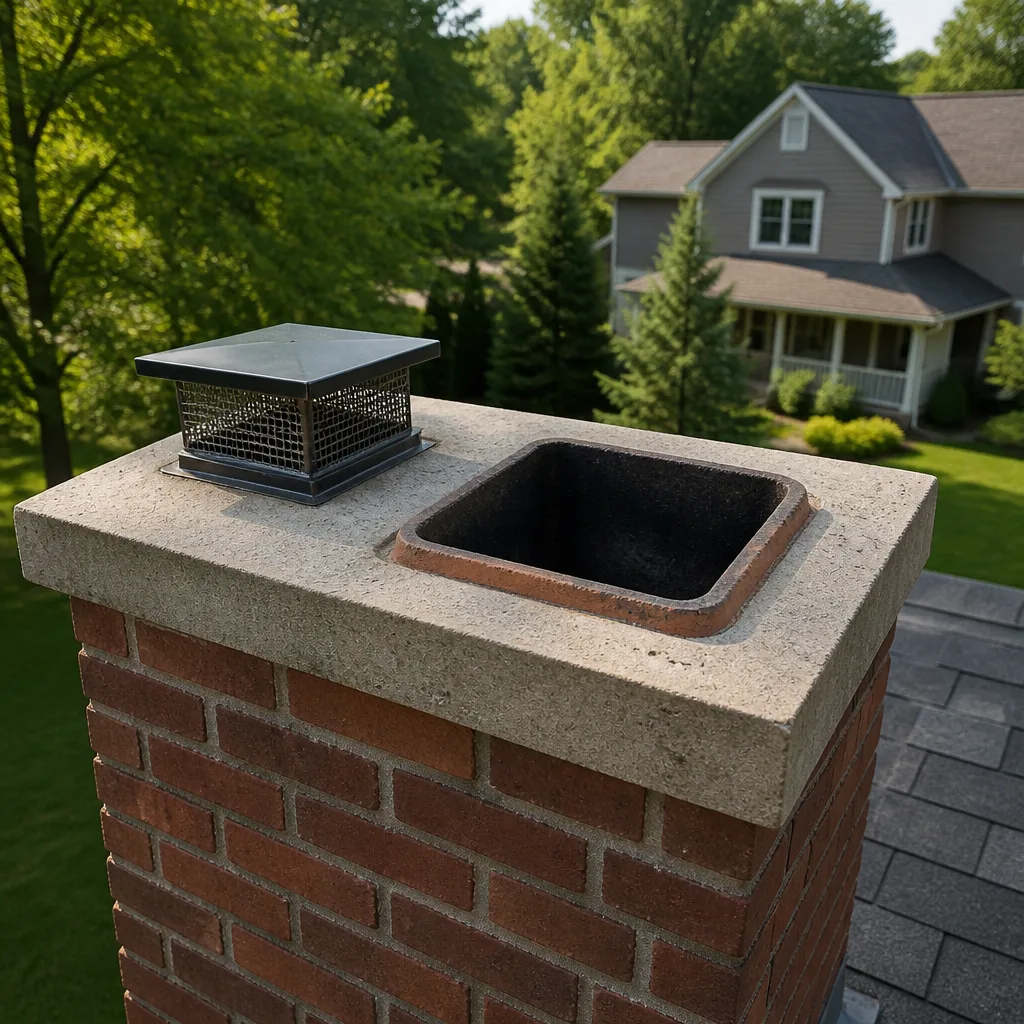 Sweep & inspection
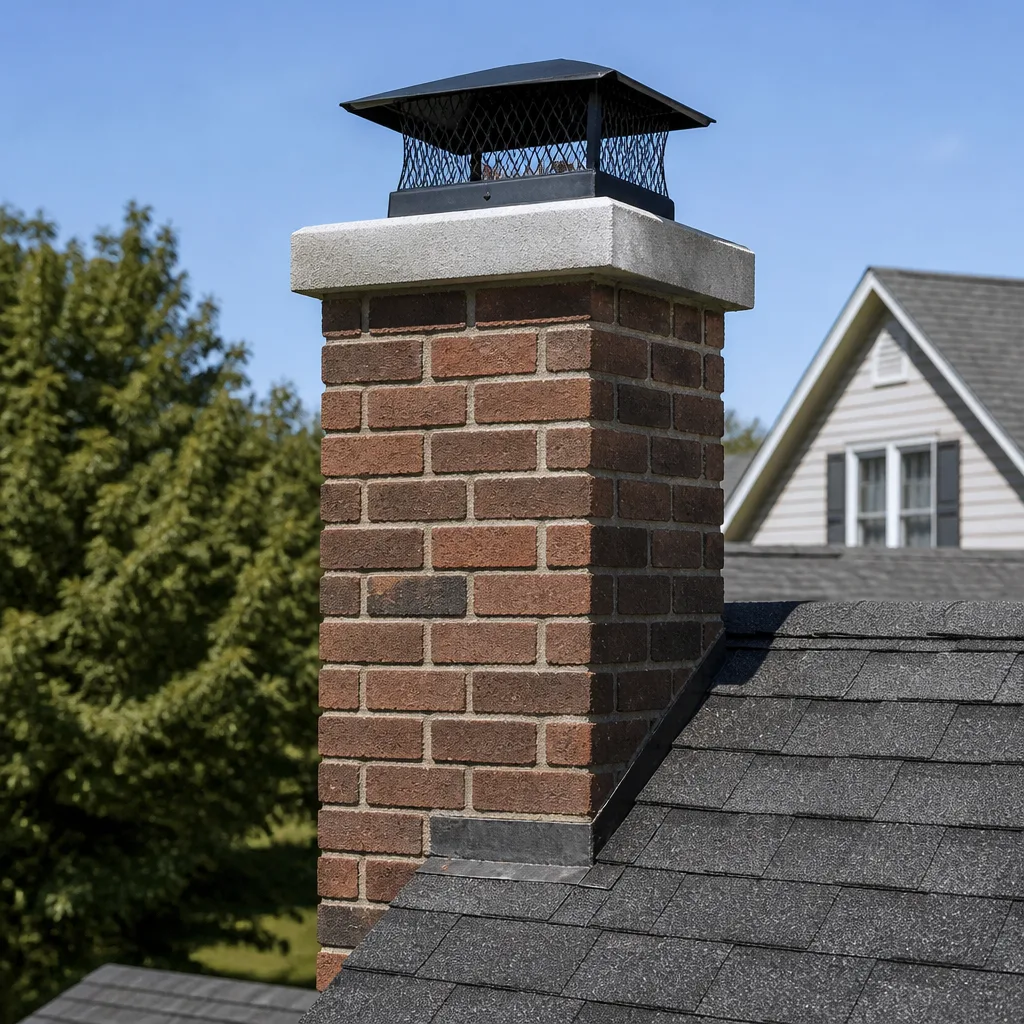 Caps & crowns
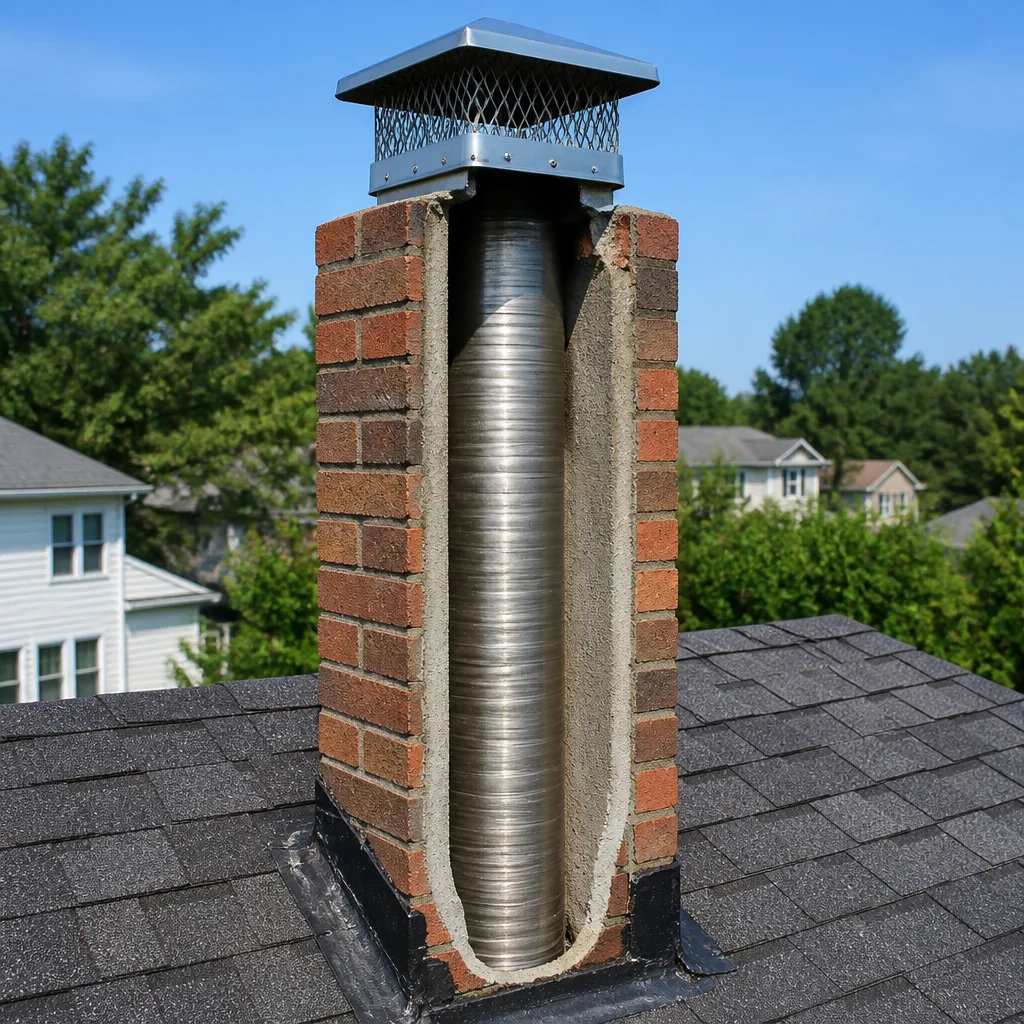 Flue relining
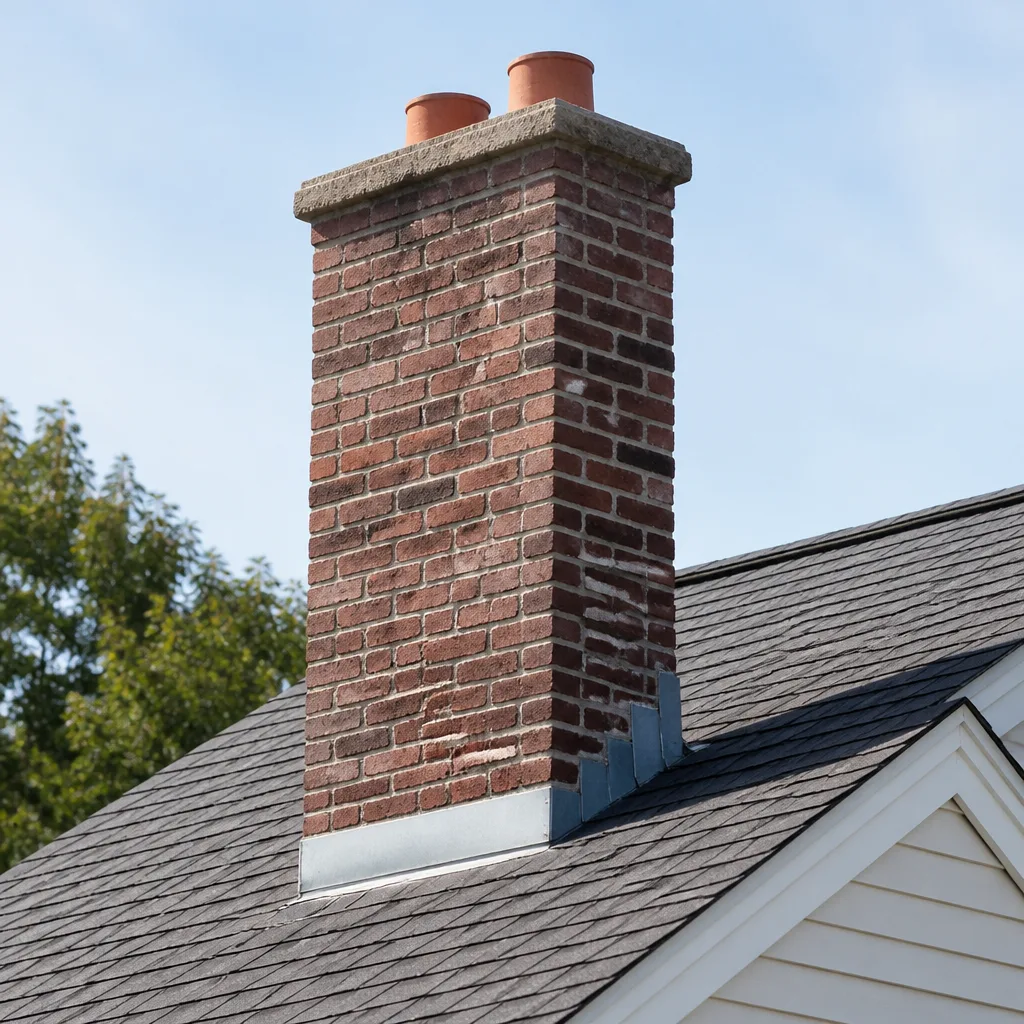 Masonry repair
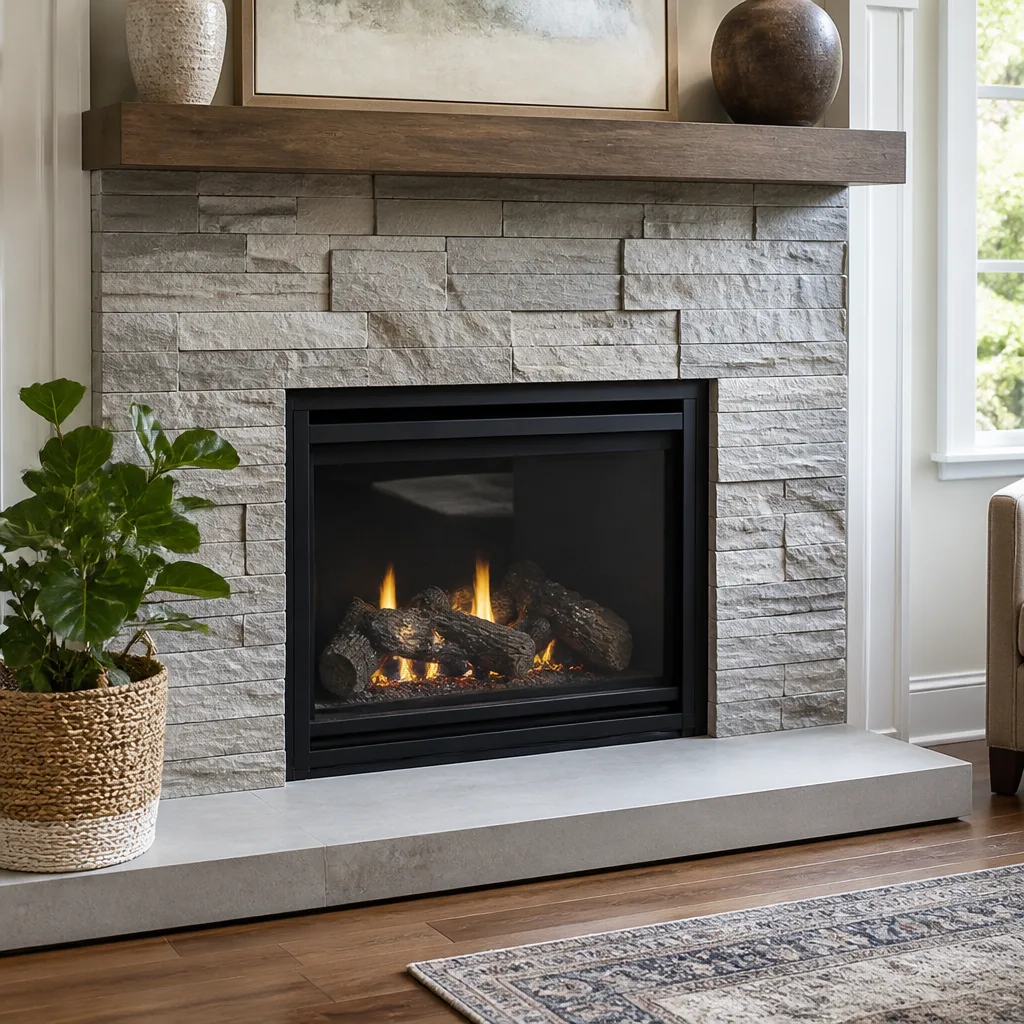 Gas fireplace service
Level 1 sweep and inspection to the NFPA 211 annual standard - flue, crown, cap, and flashing checked and photographed
Chimney sweep logs do not sweep chimneys. They loosen some creosote - which then falls where a brush and vacuum still have to collect it.
Chimney Cleaning Warning Signs: A Boca Raton Homeowner’s Reference Guide
Most chimney-safety advice floating around the internet was written for houses in cold climates that burn wood hard all winter. That advice doesn’t match what we actually find inside Boca Raton chimneys. Here, the heaviest wear and tear usually comes from humidity, summer storms, wildlife, and long stretches of a fireplace sitting unused – not from a brutal heating season. That mismatch matters, because it means the warning signs you should watch for look a little different than the textbook list. Read the wrong checklist and you’ll either panic over nothing or ignore a real problem until a repair gets expensive. This guide walks through the signs that genuinely matter in Boca Raton, how to read each one, and how to tell what needs attention now versus what can wait for your next scheduled visit.
Quick Answer
The main chimney warning signs a Boca Raton homeowner should act on are white mineral staining on exterior masonry, rust on the cap or firebox, crumbling mortar or flaking brick, a damp or musty smell in warm months, visible daylight inside the firebox, and smoke that rolls into the room instead of drafting up. In South Florida’s humid climate, these signs usually point to moisture intrusion, animal activity, or deferred cleaning rather than heavy creosote buildup – and moisture-related damage tends to worsen faster here than most homeowners expect.
Styles & brands we work with
- Sweep & inspection
- Caps & crowns
- Flue relining
- Masonry repair
- Gas fireplace service
Table of Contents
- Exterior Warning Signs Specific to Florida Masonry
- Interior Warning Signs at the Firebox and Smoke Chamber
- What That Smell Is Telling You: Odor Diagnostics
- Functional Warning Signs During Use
- Same-Week Service vs. Scheduled Visit: A Triage Framework
- Why Moisture, Not Creosote, Is the Lead Problem Here
- Wildlife and Nesting Signs You Might Not Recognize
- Common Mistakes to Avoid
- When to Call a Professional
- Frequently Asked Questions
Exterior Warning Signs Specific to Florida Masonry
A white stain running down your chimney’s exterior isn’t cosmetic. That stain is efflorescence – mineral salts carried to the surface by water moving through the masonry – and it means moisture is actively passing through your chimney right now. By the time that white powder is visible from the ground, the interior is often already affected. In Boca Raton’s humid climate, masonry stays wet longer after rain than in drier states, so water has more time to soak in, work through the brick, and damage what’s behind it. Watch for these exterior signals:
- Efflorescence: chalky white staining on brick or mortar. It’s water, not dirt, and it’s the earliest visible clue that moisture is moving through the wall.
- Spalling: brick faces flaking, peeling, or popping off. This happens when trapped moisture expands and pushes the brick face apart.
- Stair-step cracking: cracks that zigzag along the mortar joints like a staircase. This pattern usually follows the mortar because that’s the weakest path through the masonry.
- Rust stains: streaks running down from the cap or crown. Rust here usually means the cap metal has deteriorated and is no longer shedding water away from the flue opening.
- Crumbling mortar joints: mortar that rubs away like sand when you touch it, or joints that have receded and left the brick edges exposed.
None of these require a panic reaction, but they do require eyes on the chimney. A visible exterior sign is your cue to book a chimney sweep and inspection so the full length of the flue can be evaluated, not just the part you can see from the lawn. If the masonry itself has failed, that work falls under chimney repair, and the sooner it’s caught the less structural rebuilding it takes.
Interior Warning Signs at the Firebox and Smoke Chamber
Inside the firebox is where small issues are easiest to spot and easiest to talk yourself out of. Look inside with a flashlight before your first fire of the season, and again after a stretch of wet weather. Signs that deserve attention include:
- White mineral deposits on firebrick or the firebox walls: the interior version of efflorescence. It means moisture is reaching inside the firebox, often from above.
- A damp smell that lingers in summer: when the chimney sits unused for months and humidity climbs, a musty smell is a moisture signal. A dry chimney doesn’t smell musty.
- Daylight visible from inside the firebox: if you can see light coming through the flue or the masonry around it, there’s a gap that shouldn’t be there. That gap lets smoke, and anything carried with it, into the house.
- Deteriorating smoke chamber plaster: the sloped area above the damper is often parged with plaster. When that plaster crumbles or peels, the rough surface slows smoke and can catch creosote.
- Cracked or missing firebrick: firebrick that has cracked, spalled, or fallen loose in the firebox.
We use a camera inspection to see the parts you can’t reach – the flue interior, the smoke chamber, the top of the liner – because a flashlight only shows you the first few feet. That’s where professional-grade materials come into play. A deteriorated smoke chamber is often resurfaced with HeatShield rather than torn out, and flues with bends or offsets can sometimes be relined with a flexible DuraFlex system where a rigid liner can’t fit. The point is to know exactly what’s failing before recommending a fix.
What That Smell Is Telling You: Odor Diagnostics
Smell is one of the most reliable diagnostics a chimney gives you, but only if you know what you’re smelling. Homeowners often describe three distinct odors, and each one points to a different cause.
- Musty or earthy smell: this points to moisture and often mold. It’s common in summer in Boca Raton when the chimney isn’t in use and humidity works its way into masonry. Look for efflorescence and damp firebox signs alongside it.
- Sharp, acrid smell: this is creosote. Creosote is the tarry byproduct of burning wood, and a strong acrid smell suggests a buildup that needs sweeping. It’s a fire-risk signal, not a cosmetic one.
- Animal smell or scratching sounds: birds, squirrels, and other animals nest in chimney flues. A cap that’s missing, loose, or damaged is the usual invitation. Animal activity also brings nesting material that can block the flue and reduce draft.
We install Gelco and Famco caps and venting components to close off the top of a chimney after we clear it, so the same problem doesn’t return next season. If you smell something and can’t place it, that’s a good reason to book an inspection and let a camera do the looking. Reading a smell is a starting point, not a diagnosis.
Functional Warning Signs During Use
Some of the clearest warning signs show up while the fireplace is in use. You don’t need instruments to notice them – they’re things you’ll see and feel in the room.
- Smoke rolling into the room. A properly drafting chimney pulls smoke up and out. If smoke spills into the room when you open the door or start a fire, that’s a draft problem – often a partial blockage, a damaged flue, or a chimney that needs the flue checked.
- Slow or weak draft. The fire is hard to start, smokes at the edges, or struggles to draw even when the flue should be warm. This can point to a blockage, an obstruction at the top, or a liner that’s deteriorated.
- Excessive smoke staining above the opening. If the brick or surround directly above the firebox opening is darkening with soot, smoke is escaping where it shouldn’t.
- Fire that won’t stay lit or burns unevenly. A fire that only burns well with the door cracked open, or that keeps dying, can be a sign the flue isn’t moving air the way it should.
- Visible soot buildup in the firebox. Heavy soot on the firebrick after a few fires suggests incomplete combustion or a draft issue.
Smoke rollout and slow draft are worth taking seriously because they’re functional failures – the chimney isn’t doing what it’s built to do. A camera inspection through a scheduled chimney sweep will show whether it’s a simple obstruction or something structural.
Same-Week Service vs. Scheduled Visit: A Triage Framework
Not every warning sign needs a call this week. Some genuinely can wait for your next scheduled annual visit, and saying that plainly is part of doing the job honestly. Here’s how we think about the split.
Signs that usually warrant a same-week call
- Daylight visible inside the firebox
- Smoke rolling into the room during use
- Rust streaks from the cap or visible cap damage
- An animal in the flue, nesting material, or scratching sounds
- Strong acrid smell with a fire that’s burning poorly
- Cracked or missing firebrick in the firebox
- Active water intrusion – a wet firebox after rain
Signs that can typically wait for a scheduled visit
- Light efflorescence with no other symptoms
- A slightly musty smell that clears after dry weather
- Moderate soot staining that hasn’t worsened
- Minor soot or creosote you can see from below without smoke rollout
This is the framework we use, but it isn’t a substitute for eyes on the chimney. Some signs that look minor turn out to have a structural cause underneath, and some scary-looking stains are just old water marks. The honest answer almost always comes from a camera inspection and a clear photo report – not from a page of advice, and not from a technician who wants you to say yes to a rebuild before you’ve seen anything for yourself.
Why Moisture, Not Creosote, Is the Lead Problem Here
In traditionally cold climates, the biggest chimney threat is heavy creosote buildup from months of wood burning. In Boca Raton, the bigger threat is moisture. Warm, humid air and frequent rain put constant pressure on masonry, and a chimney that’s sealed at the top and sound at the joints sheds that water the way it should. A chimney with a failing cap, a cracked crown, or eroded mortar takes water in. That’s what produces efflorescence, spalling, and much of the interior deterioration we find on inspections.
The reasoning is simple: bricks and mortar are porous. Water moves through them, and as it dries it carries mineral salts to the surface. Brick faces pop off when trapped moisture expands. Mortar crumbles when it stays saturated. The interior smoke chamber plaster softens and fails for the same reason. In a humid climate, these processes have more opportunities to start and more time to progress before the weather dries things out.
The practical takeaway is that exterior warning signs are your earliest moisture alarm. A Water-test attitude to grading and drainage around the chimney, a cap that’s intact, and mortar that isn’t crumbling all reduce the water load. When moisture damage has already started, the fix depends on what’s failed: a cap replacement, a masonry repair, or a liner restoration with HeatShield when the interior flue is what’s deteriorating. That’s exactly the range of work we look at during a single visit so you don’t end up describing the same problem to three separate contractors.
Wildlife and Nesting Signs You Might Not Recognize
An uncapped or loosely capped chimney is a nesting site, and animals are drawn to it because it’s sheltered and warm. The signs often get mistaken for something else.
- Scratching or rustling sounds from the chimney or firebox. This is the most direct sign. It’s often louder in the morning.
- Debris falling into the firebox: twigs, leaves, feathers, or nesting material dropping down the flue.
- Smoke smell inside the house without a fire burning, or an unusual smell that isn’t quite acrid and isn’t quite musty.
- A blocked or reduced draft that starts suddenly without other changes.
- Birds seen near the chimney top around the cap or flue opening.
An animal nest is a same-week concern because nesting material near the flue is a fire risk, and because an animal can dislodge debris that blocks the flue. We clear the flue, then install a proper cap using Gelco or Famco components so the opening is closed off for good. A cap is a small, inexpensive item that prevents a recurring problem.
Common Mistakes to Avoid
- Treating white stains as cosmetic. Efflorescence signals active water movement. Painting over it traps moisture inside the masonry and makes the underlying damage worse.
- Assuming a mild winter means the chimney needs less attention. Boca Raton chimneys are used year-round and sit through humid summers. A chimney that’s inspected once a year on a schedule catches problems before they become structural.
- Burning unseasoned or wet wood. Damp wood produces more creosote and more smoke. In this climate, wood can absorb moisture from the air, so store it dry and covered.
- Ignoring a smell that only shows up in summer. A musty smell that appears when the chimney is unused is a moisture signal, not just a seasonal annoyance.
- Letting one company clean and another diagnose. When sweeping and inspection are split between vendors, problems get missed or passed back and forth. Keeping the full chimney lifecycle under one service relationship means nobody is grading someone else’s work.
- Agreeing to major repairs before seeing evidence. A recommendation for liner work or a rebuild should come with a camera photo report that shows the actual condition inside the flue.
- Skipping the annual inspection because nothing looks wrong. The signs you can see are the ones that made it all the way through the wall. A camera inspection sees the flue itself.
When to Call a Professional
Call us if you see daylight inside the firebox, smoke rolling into the room during use, rust streaks from the cap, active water intrusion after rain, or evidence of an animal in the flue. Call us if a strong acrid smell accompanies poor burning, or if firebrick is cracked or missing. And call if you simply haven’t had the chimney looked at on a schedule – the value of an annual inspection is that it catches the things you can’t see before they get expensive. Chimney Sweep Boca Raton offers free estimates in Boca Raton – call (877) 685-2248. We answer 24/7. Fast dispatch from 7am to 7pm, Sunday through Friday. Every recommendation comes with a camera photo report so you can see what we found and decide for yourself.
Frequently Asked Questions
Pricing in Boca Raton depends on what the visit involves – a standard sweep and inspection versus a repair or liner restoration. Every price is set per job by a written estimate, and we give you that estimate before any work begins, so there are no surprises. Call (877) 685-2248 for an exact quote – estimates are free.
Most Boca Raton homeowners should have their chimney swept and inspected once a year. That schedule is built around safety and moisture checks more than heavy creosote, since humidity and long idle periods cause more damage here than winter burning does. If the fireplace is used frequently, an inspection will tell you whether a cleaning in between annual visits makes sense.
Not always. A liner is only recommended when the inspection shows it has failed. Deteriorated flue tiles can often be restored with a HeatShield resurfacing instead of a full liner replacement, and chimneys with bends or offsets can sometimes accept a flexible DuraFlex liner where a rigid one won’t fit. We’ll show you the camera photos and tell you plainly whether the liner needs work now, needs watching, or is fine. Call (877) 685-2248 for a free estimate.
Skipping a sweep means small issues stay hidden. Creosote keeps building, moisture keeps working through masonry, and a damaged liner goes unnoticed. The risks are chimney fire and carbon monoxide, and the reason to sweep is to catch problems while they’re still small. The fix is cheaper and less disruptive when caught early. Annual service is the cheapest insurance you have on a chimney. Call (877) 685-2248 for a free estimate.
Efflorescence is a sign that water is moving through the masonry, and yes, it’s worth taking seriously. In Boca Raton’s humid climate, moisture has more time to soak in and damage the brick and mortar. A stain that looks cosmetic from the lawn usually means the interior has already started to degrade. That’s a good reason to book an inspection before the next rainy season.
A mild musty smell that appears during humid weather and clears up when things dry out can often wait for your scheduled annual visit. A musty smell that lingers, or comes with white staining or damp firebox walls, is a moisture signal worth a same-week call. Call (877) 685-2248 and we’ll tell you which one you’re dealing with.
Capping a chimney is more about fit and venting than homeowners expect. A cap has to shed water and still allow the flue to breathe and draw as designed. Gelco and Famco caps are sized and installed for that purpose, and we install them during the same visit as the sweep and inspection. A poor-fitting cap can trap moisture or disrupt draft, which creates the problem it was meant to solve.
The Bottom Line
In Boca Raton, the warning signs that matter most are moisture signs, not heavy-creosote signs. White efflorescence, spalling brick, stair-step cracks, rust from a failing cap, white deposits inside the firebox, a damp summer smell, daylight inside the firebox, and smoke that rolls into the room instead of drafting up are all worth taking seriously. Use the triage framework to decide what needs a same-week call versus what can wait for your annual visit. And whenever the diagnosis is uncertain, get eyes on the flue with a camera inspection and a photo report you can actually see. That’s how a good chimney decision gets made. When you need Chimney Sweep Boca Raton, we handle sweeps, inspections, and repairs under one service relationship. If you’re in Boca Raton and want to know what’s really going on with your chimney, reach out for a free estimate and we’ll tell you exactly what we found.
Call (877) 685-2248 for a free estimate. We answer 24/7. Fast dispatch from 7am to 7pm, Sunday through Friday.
Written by the team at Chimney Sweep Boca Raton.
See the difference
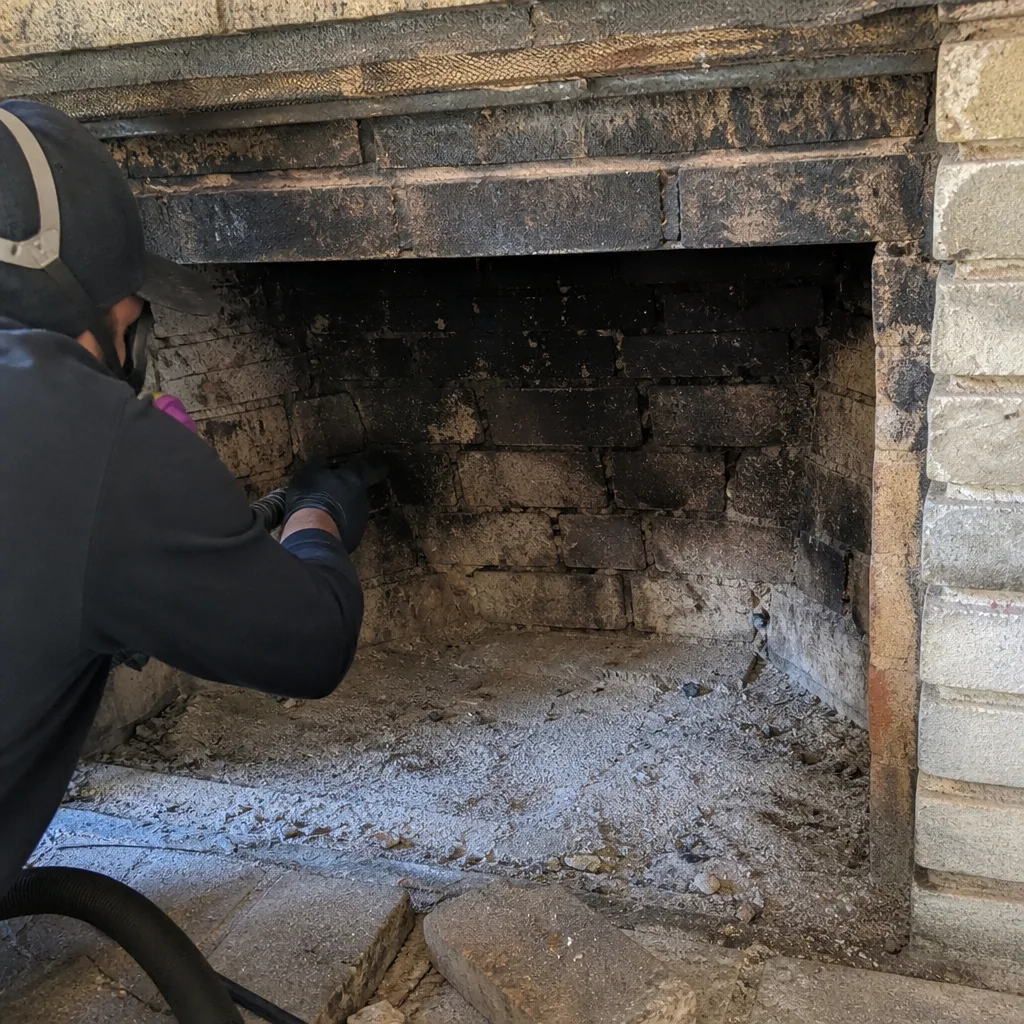 Before
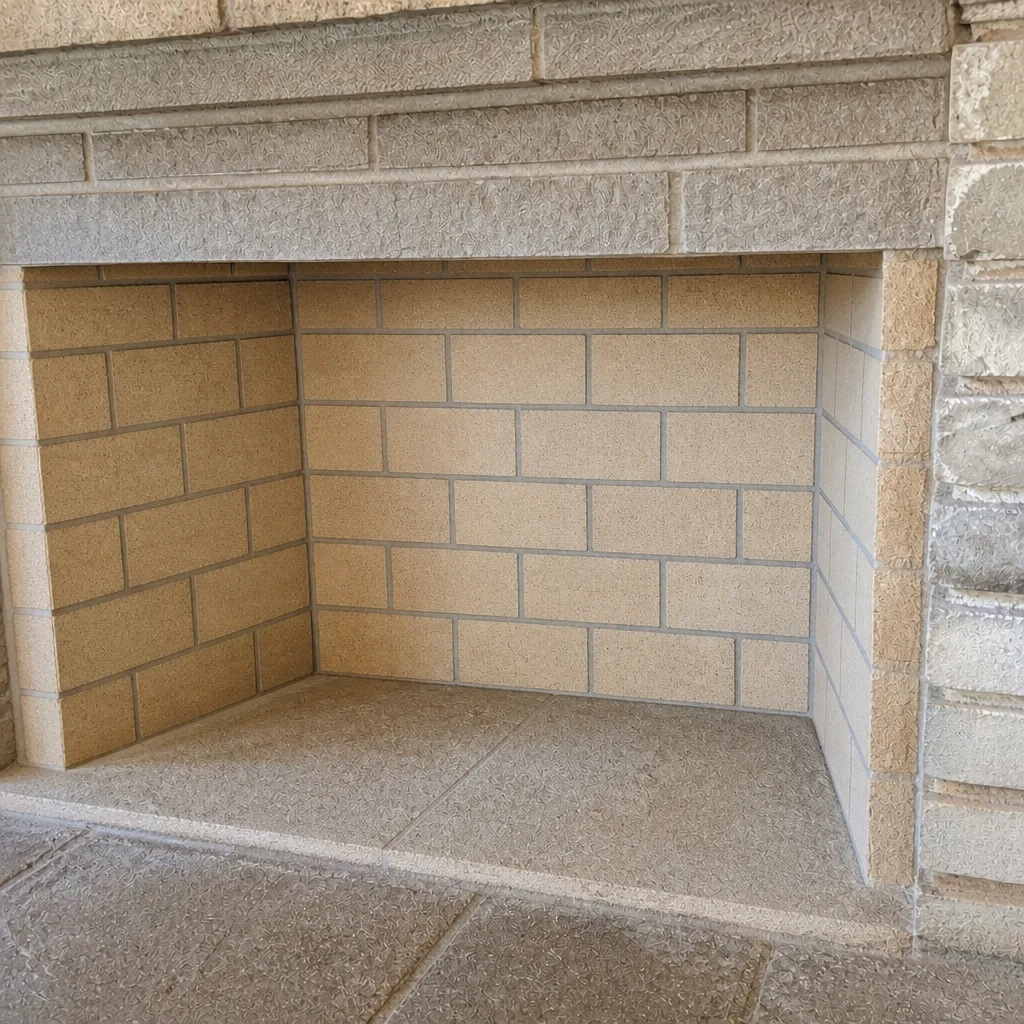 After
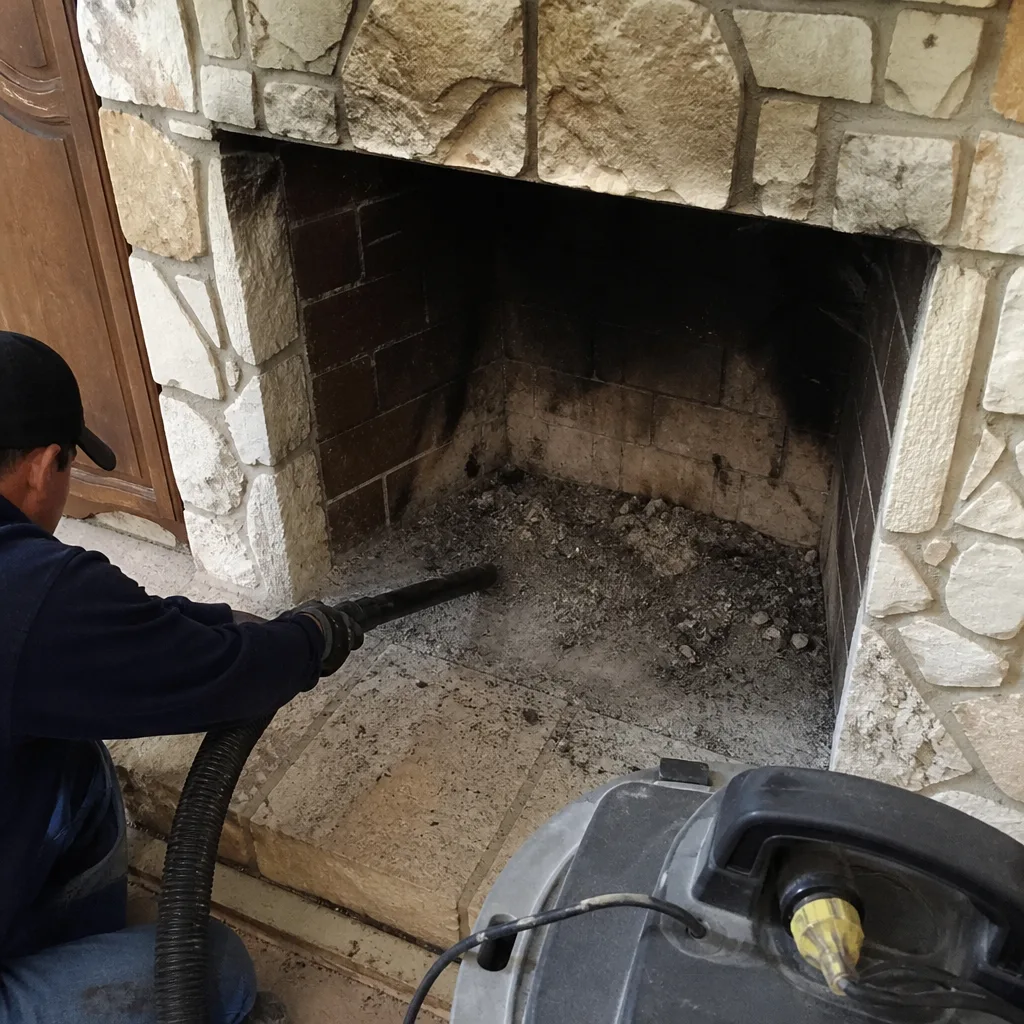 Before
 After
 Before
 After