
Last updated November 16, 2026
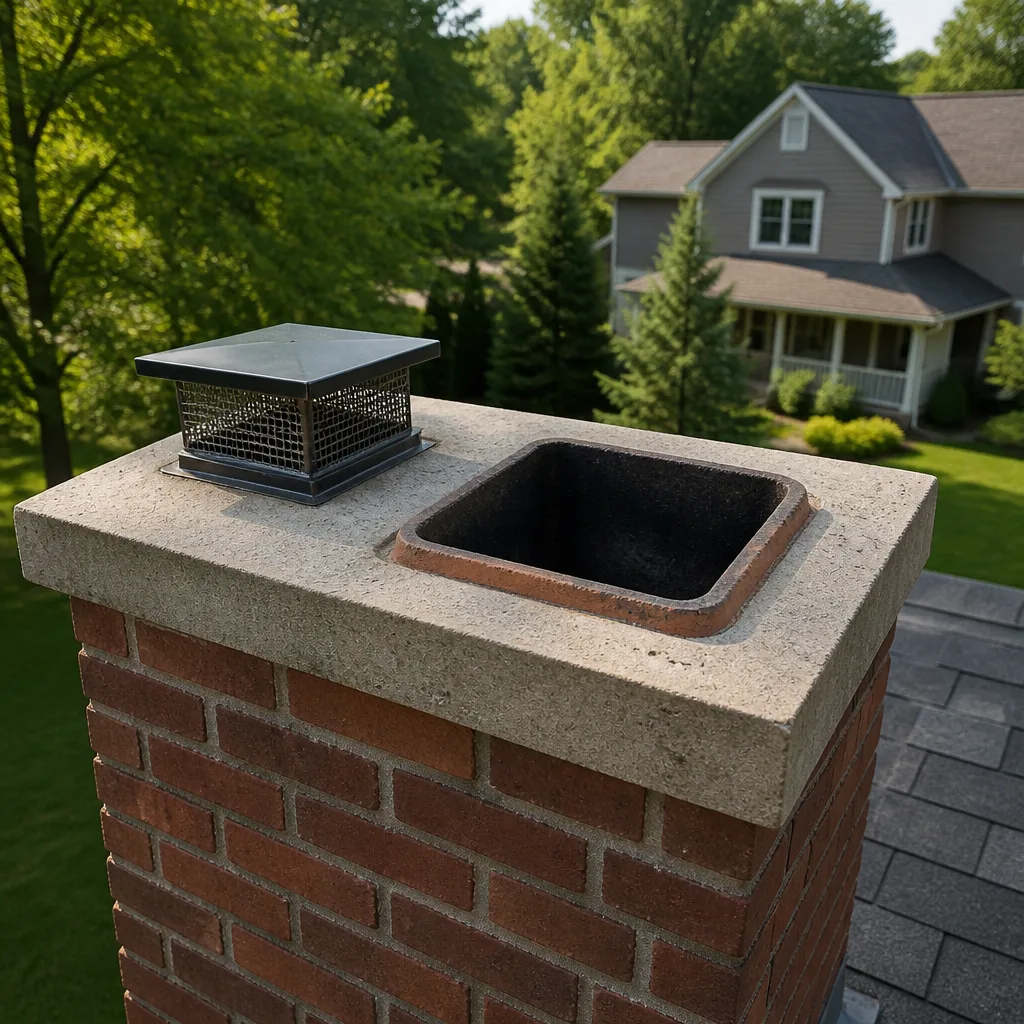 Sweep & inspection
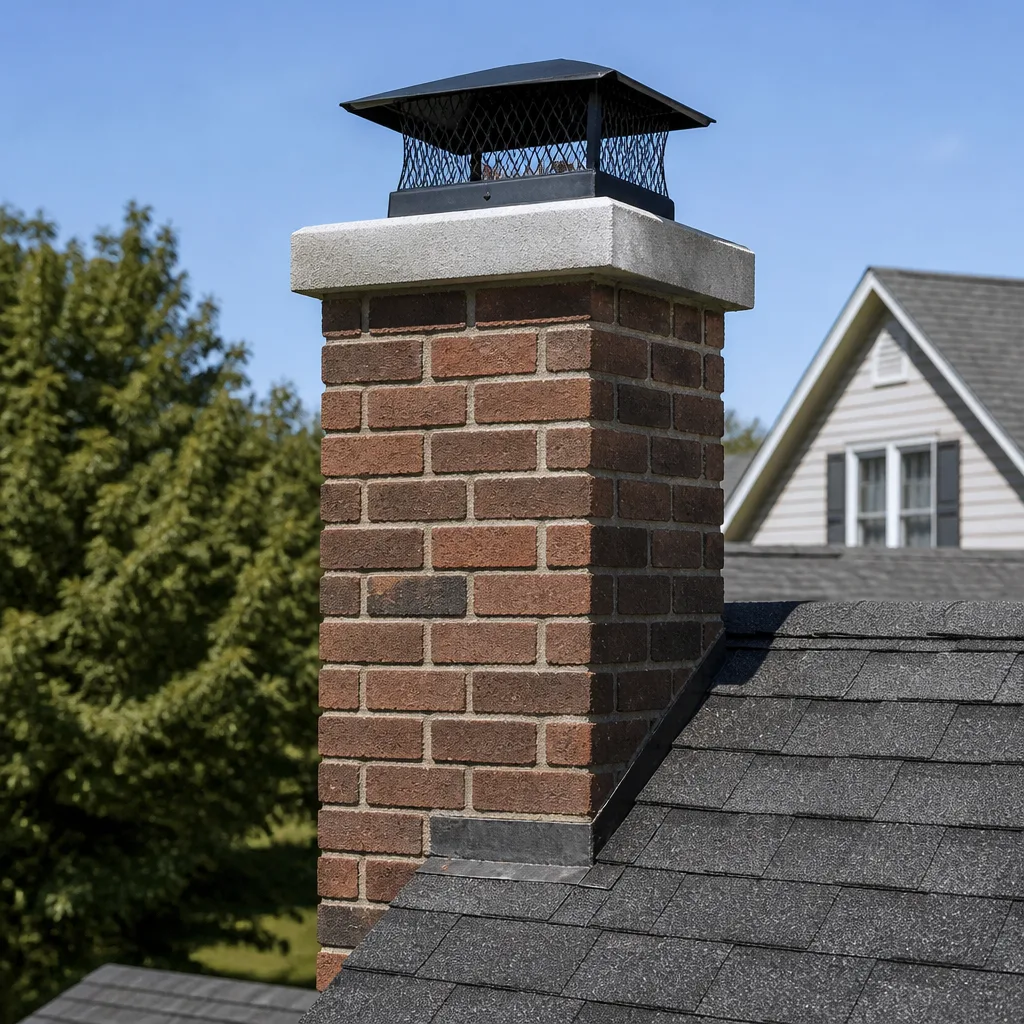 Caps & crowns
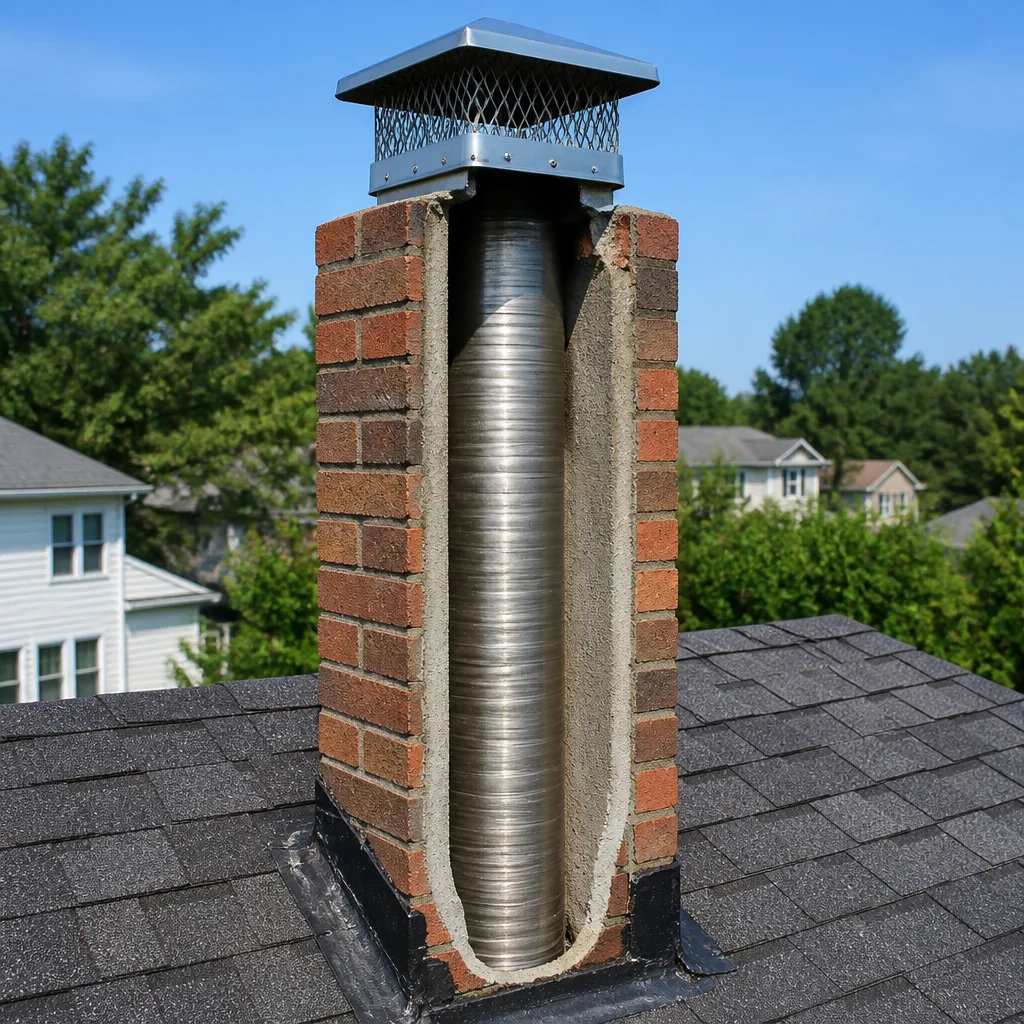 Flue relining
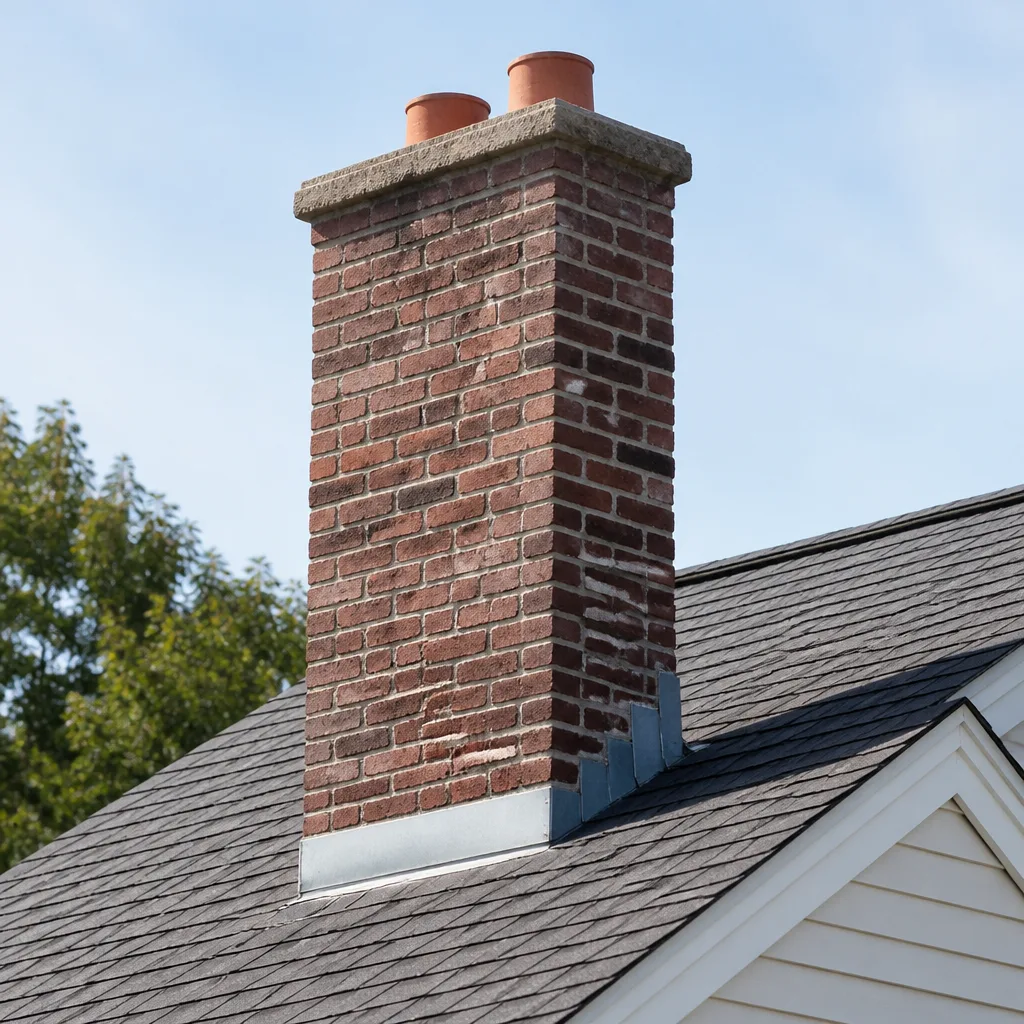 Masonry repair
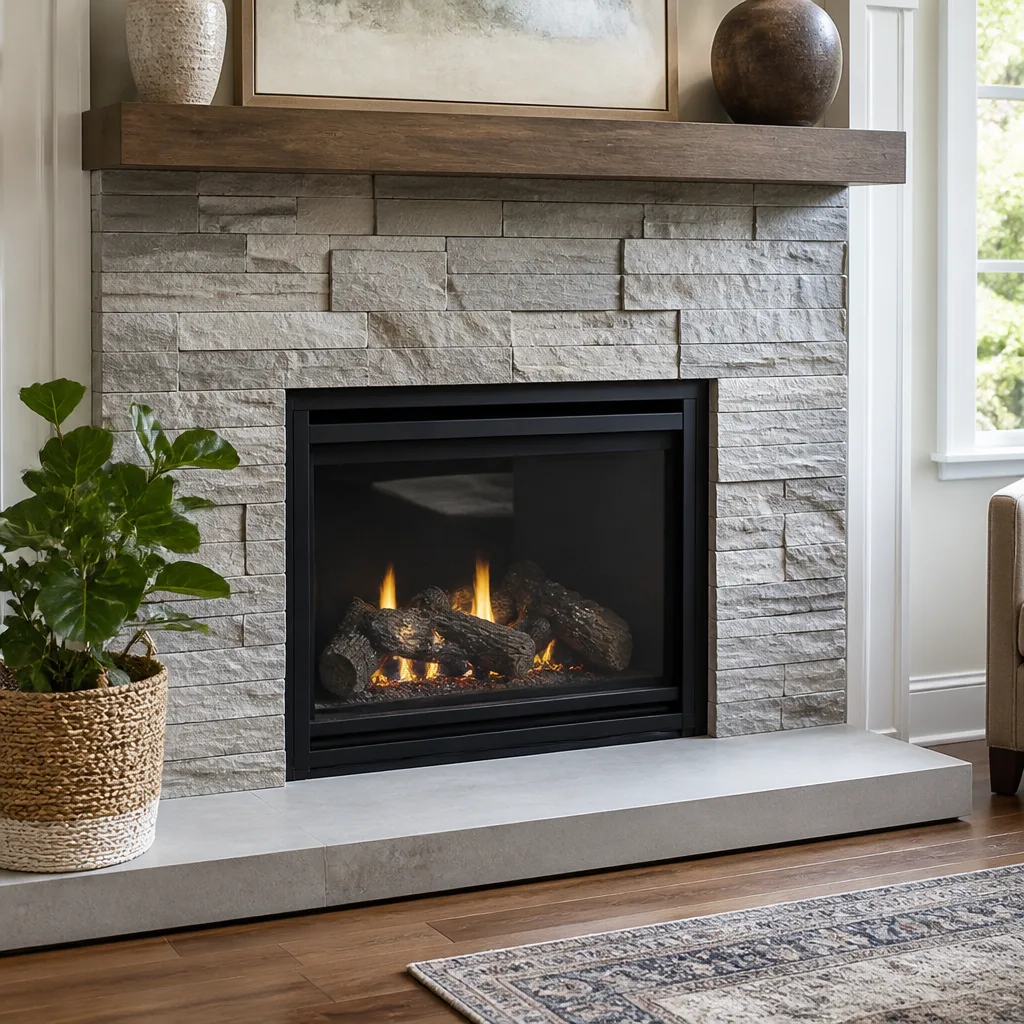 Gas fireplace service
Level 1 sweep and inspection to the NFPA 211 annual standard - flue, crown, cap, and flashing checked and photographed
Chimney sweep logs do not sweep chimneys. They loosen some creosote - which then falls where a brush and vacuum still have to collect it.
Chimney Cleaning Emergency Preparedness Guide for Boca Raton Homes
Most homeowners picture a chimney fire as a roaring, unmistakable event. In Boca Raton, it often isn’t. The wood we burn here tends to be seasoned harder and burned less heavily than in cold climates, so creosote loads stay lower, and when a chimney fire does start it can smolder quietly behind a wall for minutes before anyone notices. Some Boca Raton homeowners have had a slow-burning chimney fire and never knew until a technician pulled a cracked flue tile out during a later inspection. This guide covers the four real emergencies we prepare for in Boca Raton homes: chimney fires, carbon monoxide events from cracked liners, storm-driven blockages, and animal intrusions. You’ll learn how to spot each, what to do before help arrives, and how to tell a fire-department emergency from a service call.
Quick Answer
Chimney emergency preparedness in Boca Raton means knowing the four signals of a low-creosote chimney fire (a low rumbling, a hot flue pipe, a puff of smoke at the seams, and a smell like burned coffee), keeping working carbon monoxide detectors on every level, and scheduling a sweep and inspection before the first burn of the season so a cracked flue tile is caught before it vents combustion gases into your living space. Most chimney “emergencies” in Boca Raton are preventable with one pre-season inspection.
Styles & brands we work with
- Sweep & inspection
- Caps & crowns
- Flue relining
- Masonry repair
- Gas fireplace service
Table of Contents
- How to Identify a Chimney Fire in Progress
- What to Do Immediately If You Suspect a Chimney Fire
- Carbon Monoxide Risk From Cracked Liners
- Post-Storm Protocol Before the First Burn
- Animal Intrusions and Ventilation Hazards
- Who to Call and What to Say
- Pre-Season Preparedness Checklist
- Common Mistakes to Avoid
How to Identify a Chimney Fire in Progress
A chimney fire in a Boca Raton home rarely looks like the dramatic “roaring flue” described in northern-climate guides. Because local fireplaces burn lighter loads of well-seasoned wood, less creosote accumulates and the fire tends to be small, slow, and confined to the creosote-lined surface of the flue. The problem is that a slow fire is harder to detect than a fast one, and the damage it does to a flue tile isn’t visible from the hearth.
The signs to watch for fall into three categories:
- Sounds: A low, muffled rumble that sounds more like a distant truck than a fire. You may hear it through the fireplace wall rather than inside the firebox. Popcorn-like crackling is the louder version and means a larger fire.
- Smells: A hot, dry, almost coffee-like smell filling the room. A sudden whiff of strong smoke where there was none before. A smell of scorched metal from the flue pipe.
- Visual signs: A flue pipe glowing or hot to the touch on the outside. Smoke puffing at the stovepipe seams or the damper frame. Sparks or embers shooting out of the cap at the roofline. In a severe case, the chimney masonry will be warm to the touch from the outside of the house.
In our experience in Boca Raton, the most common story is not a homeowner who saw a fire and didn’t act. It’s a homeowner who burned through an entire winter, noticed a faint smell and dismissed it, and then learned months later that a tile had cracked. That’s the pattern this guide exists to interrupt. An annual chimney sweep and inspection catches what your eyes at the hearth can’t see. Schedule it before the burn season starts, not after.
What to Do Immediately If You Suspect a Chimney Fire
If you believe your chimney is burning, your priorities in order are getting everyone out, calling for emergency help, and not making it worse. Here’s the sequence:
- Get everyone out of the house and onto the lawn. Don’t stop to gather belongings. Don’t wait to see if it gets worse.
- Call 911 from outside. Tell the dispatcher you have a chimney fire at a specific address. Even a fire you think is small goes to the fire department, because they are the only ones who can confirm it’s out.
- Close the glass doors of the fireplace or wood stove if they are open. If you can safely close them on the way out, do. This cuts the air supply that feeds the fire.
- Do not open the damper. This is the counterintuitive step most homeowners get wrong. Opening the damper lets more oxygen into the flue and can cause the fire to intensify or spread to the roof. Leave it closed.
- Do not spray water down the chimney. A sudden spray of cold water against a hot flue tile is one way to crack it, and in severe fires it can cause a dangerous steam flash.
- Do not re-enter the house to check on the fire until a firefighter clears you to do so.
After the fire department extinguishes the fire, the chimney is damaged in ways no one can assess from the ground. You need a professional inspection before you burn again. In Boca Raton, that follow-up inspection is where we find the cracked tile, the warped cap, or the damaged liner that the fire left behind.
Carbon Monoxide Risk From Cracked Liners
A hairline crack in a flue tile is not a cosmetic defect. It’s an opening between your chimney flue and the structural cavity of your house, and it’s one of the most common paths for combustion gases to vent into a living room or attic instead of up and out. Carbon monoxide is odorless, which is why a hairline fracture can go unnoticed for an entire season without anyone in the house realizing they are being exposed.
Boca Raton homes that burn regularly through the cooler months are the easiest candidates for this kind of damage, because every heating cycle expands and contracts the tile assembly. Over enough seasons, a single hairline fracture becomes a network of them, and the flue stops containing what it’s supposed to contain. The most common early sign isn’t a CO detector alarm – it’s a persistent soot smell, a headache that clears when you leave the house, or a smoky smell in a room that doesn’t have a fireplace.
A working CO detector on every level is essential, but it is not a substitute for liner inspection. A detector only alerts you after CO has already reached the dangerous threshold, and it doesn’t tell you where the gas is coming from. An inspection finds the source – typically a cracked tile, a failed joint, or a broken crown – before the detector ever has a reason to alarm.
When we find a cracked flue tile in Boca Raton, our first choice isn’t always a full tear-out. chimney repair often starts with a HeatShield resurfacing application, which restores the interior surface of the flue without a full rebuild. Where the chimney has bends or offsets that standard rigid liners can’t accommodate, a DuraFlex flexible liner is the right tool. Both options are in our toolkit because the fix should fit the chimney, not the other way around.
Post-Storm Protocol Before the First Burn
Storm damage to a chimney is often invisible from the ground, and the first burn of the season is the wrong time to find out. After any high-wind event in Boca Raton, assess your chimney before you light the first fire. Here’s what to check:
- Look at the cap from the yard. A missing, tilted, or detached cap means the flue is exposed. A cap that has shifted off its footing can drop debris straight into the flue.
- Check the crown for cracking. The crown is the concrete cap at the top of the chimney. Hairline cracks are normal, but a crown with large gaps or missing chunks lets water and debris into the flue.
- Look for leaning or displaced masonry. Wind can loosen a brick or crack a joint at the roofline. Anything visibly out of line needs a professional look before you burn.
- Check the flashing at the roof seam. Damaged flashing lets water run behind the chimney and into the framing. That’s a chimney repair and a roof problem, and it should be addressed together.
- Test for a draft. With the damper open and a lit match or incense stick near the firebox, watch where the smoke goes. A strong upward pull is what you want. Smoke that hangs or blows back into the room is a draft problem that could be a blockage from storm debris.
- Check for debris in the firebox. Leaves, twigs, and shingle grit often gather on the smoke shelf after a storm. Clear what you can safely reach without leaning into the flue.
If any of these checks raises a question, do not burn until a technician has inspected the flue. A pre-season Chimney Sweep Boca Raton inspection is the fastest path to a safe fire, and it’s cheaper than the repair that a missed problem causes. We work with Gelco and Olympia Chimney components for cap and venting corrections, so a damaged cap found during inspection can usually be corrected in the same service visit.
Animal Intrusions and Ventilation Hazards
Boca Raton’s mild climate means the chimney flue is an appealing shelter for birds, squirrels, and raccoons, especially in the cooler months when a warm chimney draws them in. The problem isn’t the animal itself. It’s what the animal leaves behind and what it blocks.
A bird nest or a raccoon den in the flue has two effects. First, it obstructs the flow of exhaust gases, and a blocked flue pushes carbon monoxide back into the house. Second, the nesting material becomes fuel the moment the fireplace is lit. A dried nest in a flue is one of the most common causes of chimney fires that start completely outside the firebox.
Signs of an animal intrusion include:
- Scratching, flapping, or shuffling sounds from the chimney, especially early morning or dusk
- A strong animal odor in the firebox or the room with the fireplace
- Feathers, twigs, or droppings on the firebox floor or the smoke shelf
- Sudden poor draft where draft was fine before
- A cap that has been pushed loose or knocked off
The instinct to try to flush an animal out by lighting a small fire in the firebox is dangerous and should be avoided. Smoke and heat push the animal further down the flue, and a cornered animal is unpredictable. The right response is to close the damper, keep the fire off, and call for an inspection. A professional-grade cap installed at the top of the chimney is the durable fix, and we install Gelco and Famco caps as part of the same visit as the inspection.
Who to Call and What to Say
Not every chimney event is a 911 call. The distinction is straightforward: if there is active fire, visible smoke coming from the chimney at the roofline, flames at the firebox, or a burning smell with no fire in the box, call the fire department first. Everything else is a service call.
- Call 911 if: you see flames, sparks, or smoke at the cap; you hear a loud roaring or hammering in the flue; your CO detector is alarming; anyone in the house has symptoms of CO exposure (headache, dizziness, nausea, confusion); or there is a fire in the flue that hasn’t died down in a matter of minutes.
- Call a chimney service if: you smell soot or a hot smell with no fire; the draft has dropped; you hear scratching in the chimney; the cap is damaged; you had a chimney fire recently and need a follow-up inspection; or you’ve scheduled your pre-season sweep and want a repair assessment in the same visit.
When you call a chimney service in Boca Raton, have three things ready: the address, a one-sentence description of what you smelled, saw, or heard, and the date of the last sweep or inspection if you know it. That’s enough for us to route the call correctly. Call (877) 685-2248. We answer 24/7. Fast dispatch from 7am to 7pm, Sunday through Friday. A call outside dispatch hours is booked into the next opening, Sunday through Friday, 7am to 7pm.
We work directly with the professional chimney brands that make a difference in these situations. HeatShield resurfacing restores a damaged flue interior without a full rebuild. DuraFlex flexible liners handle the bends and offsets in older Boca Raton flues that rigid liners can’t safely follow. Olympia Chimney components supply the venting corrections. Gelco and Famco caps seal the top of the chimney properly. And because we cover sweeping, inspection, and repair in the same service relationship, there’s no finger-pointing between the person who cleaned your chimney and the person who should have caught the problem. If you’re scheduling for the first time, start with our Boca Raton service page.
Pre-Season Preparedness Checklist
The best chimney emergency is the one that never happens. This is the checklist we use when we talk to Boca Raton homeowners about getting ready for the burn season:
- Schedule a sweep and inspection before the first burn. Sweeping removes the creosote that fuels a chimney fire. Inspection catches the cracked tile, the failed joint, or the damaged cap.
- Test every CO detector in the house. Press the test button, replace batteries on the manufacturer’s schedule, and confirm you have one on every level and near every sleeping area.
- Check the cap and crown from the ground. If you can’t see them clearly with binoculars, add it to the inspection list.
- Clear the firebox and check the damper. Open and close the damper to confirm it moves freely. Clear any ash or debris from the firebox floor.
- Look at the firewood. Seasoned hardwood burns cleaner than green wood. Stack it outside, off the ground, and away from the wall of the house.
- Note anything that is different this year. A smell, a sound, a draft that’s changed. Write it down before you forget it and tell the technician when they arrive.
- Keep a phone number where you can find it. Save Chimney Sweep Boca Raton’s number where you can reach it in the dark, when something is wrong.
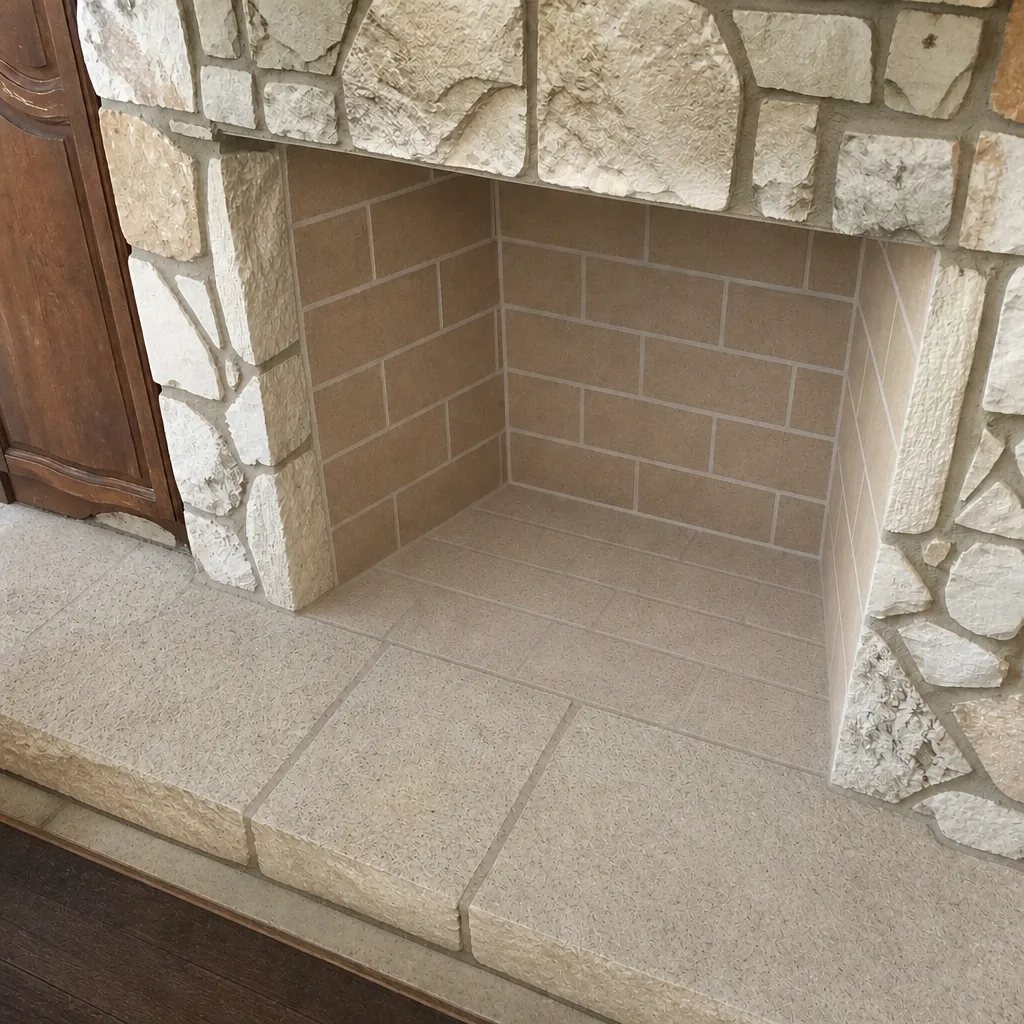
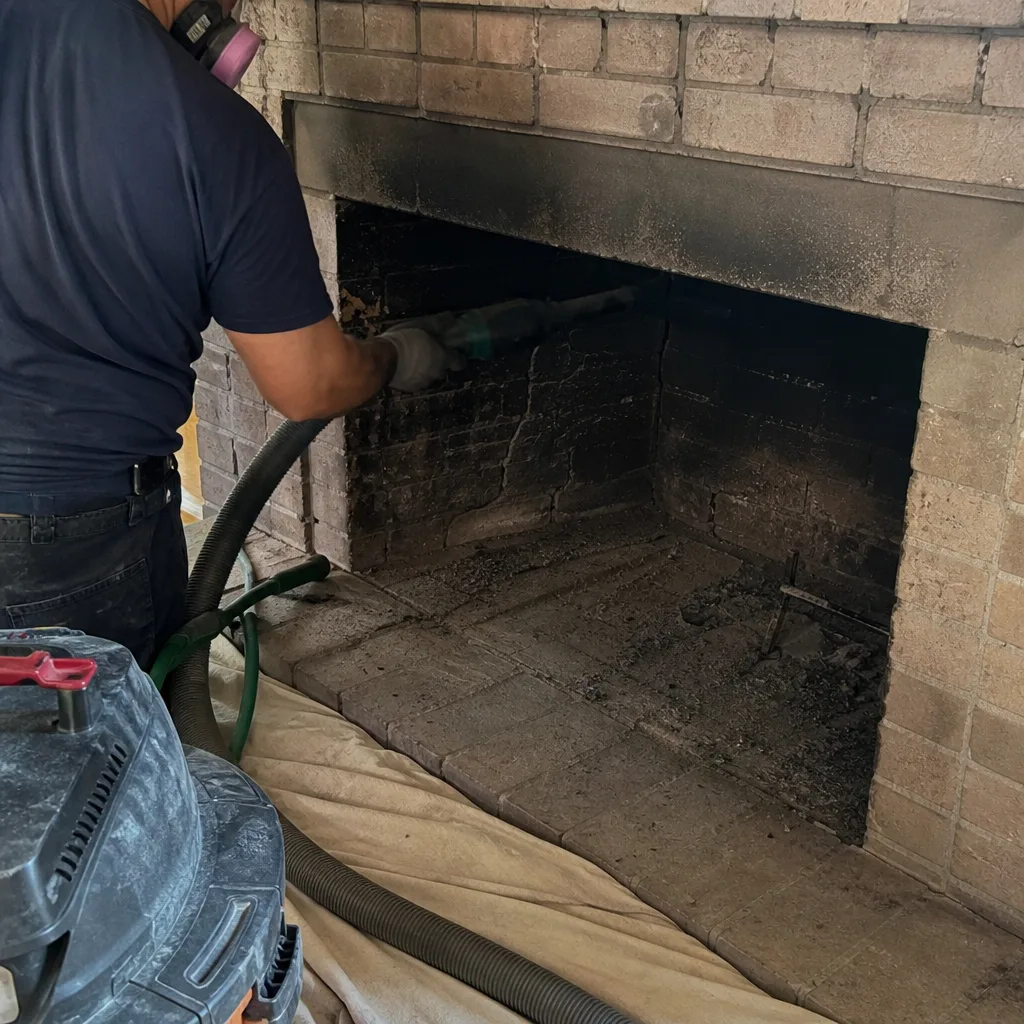
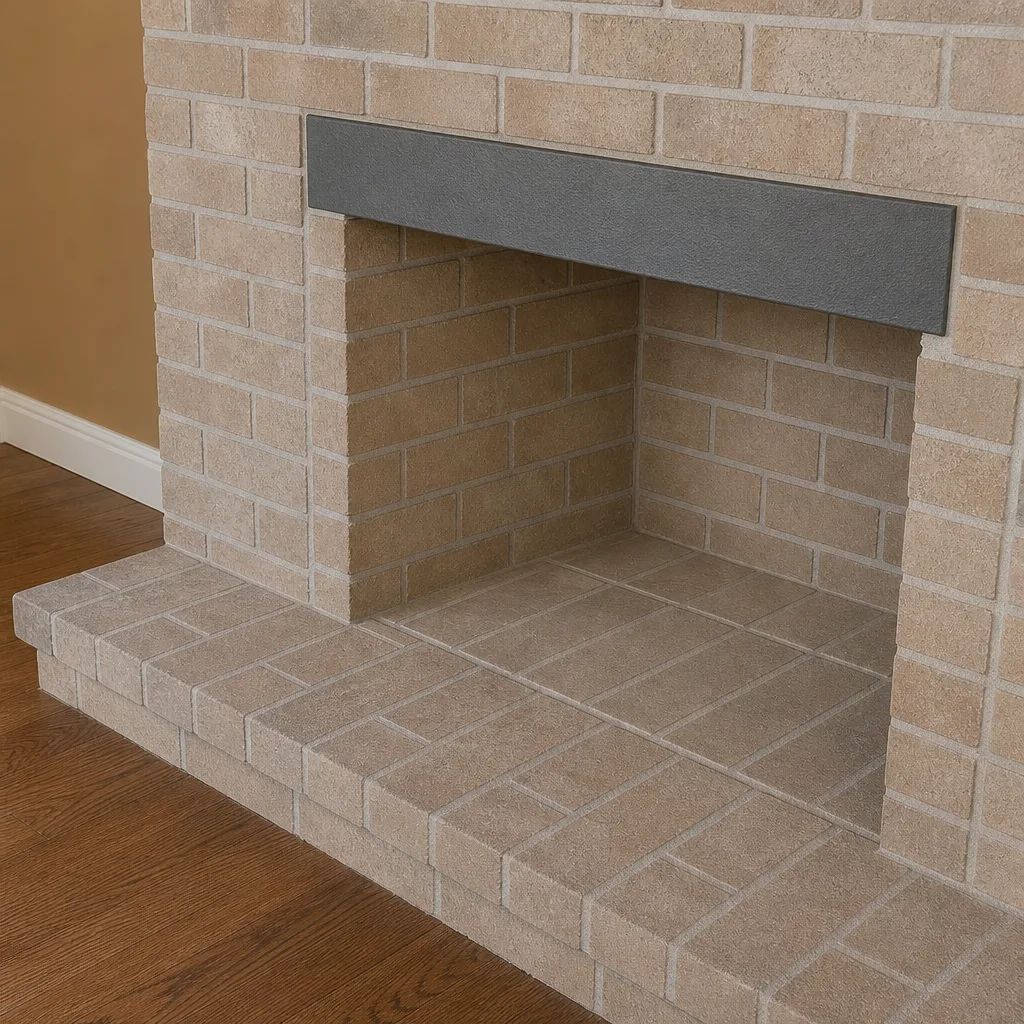
See the difference
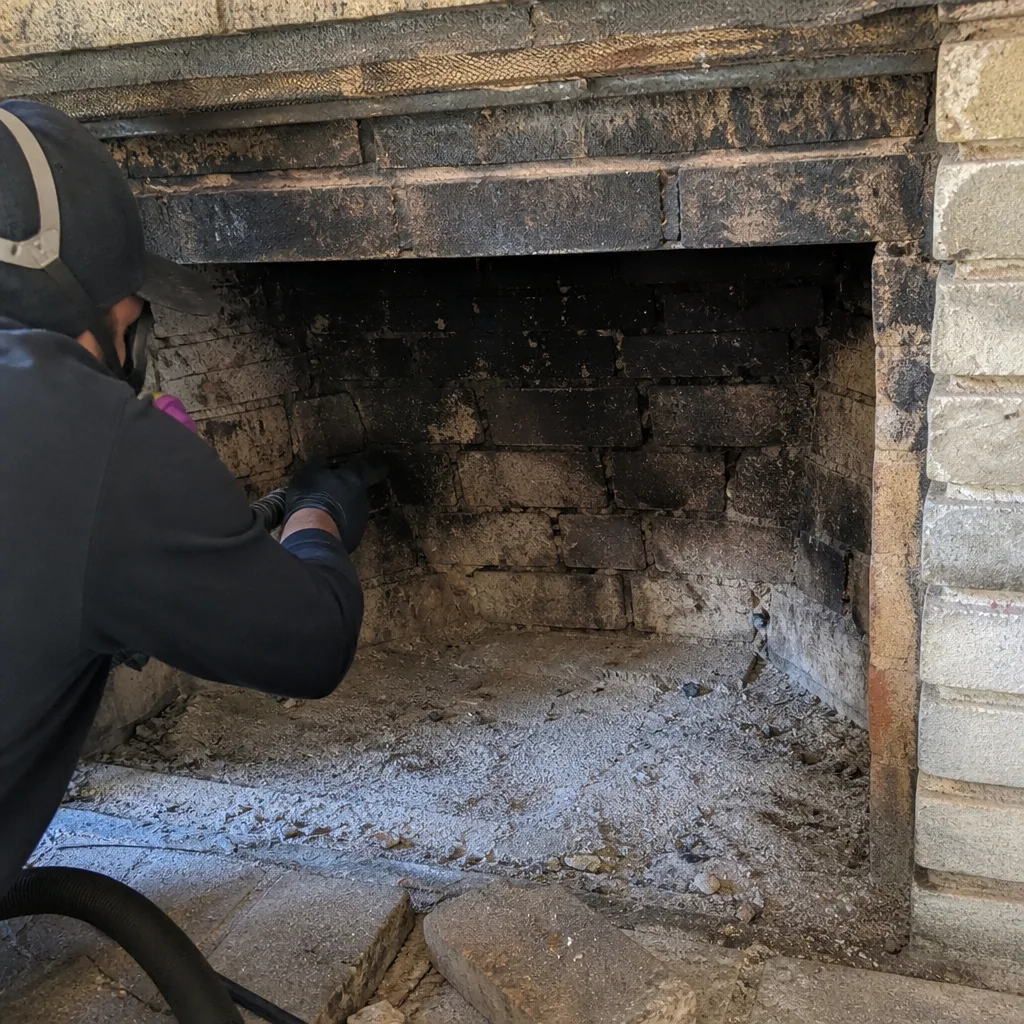 Before
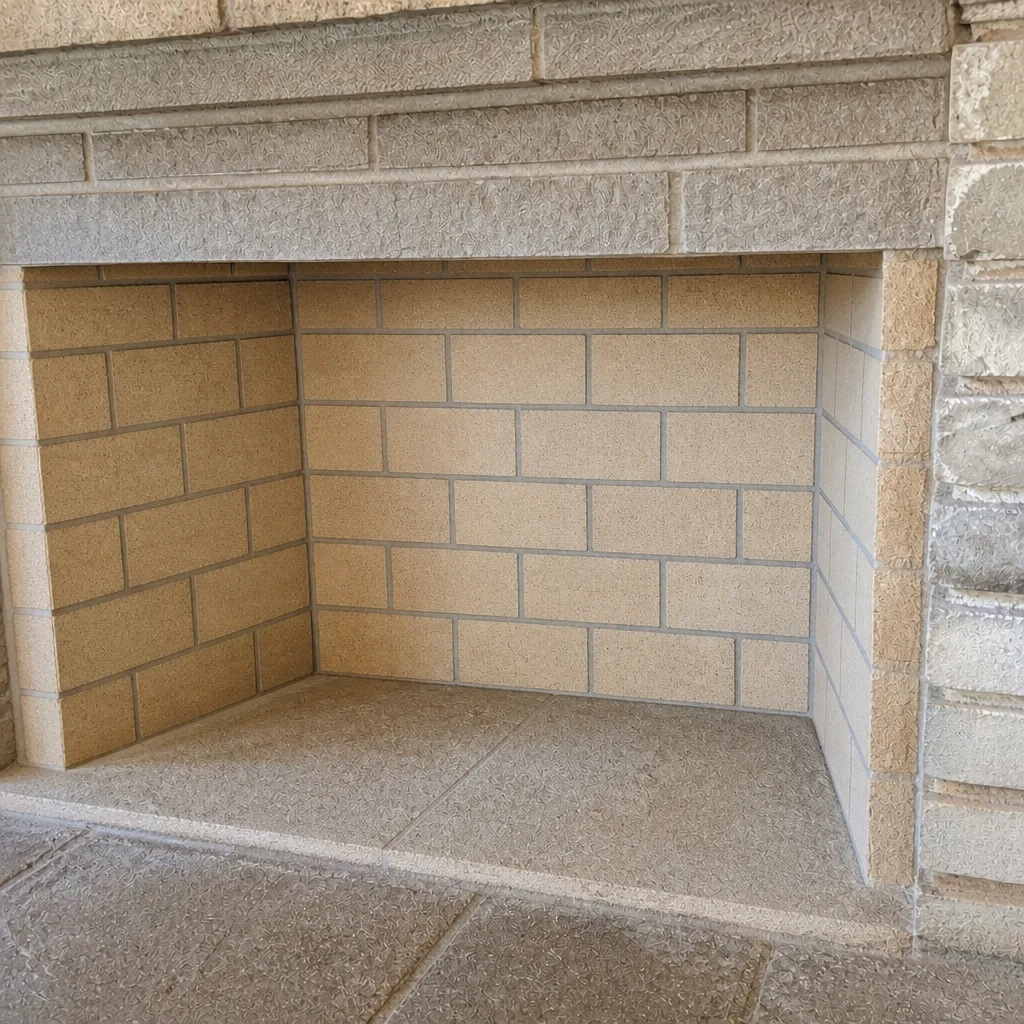 After
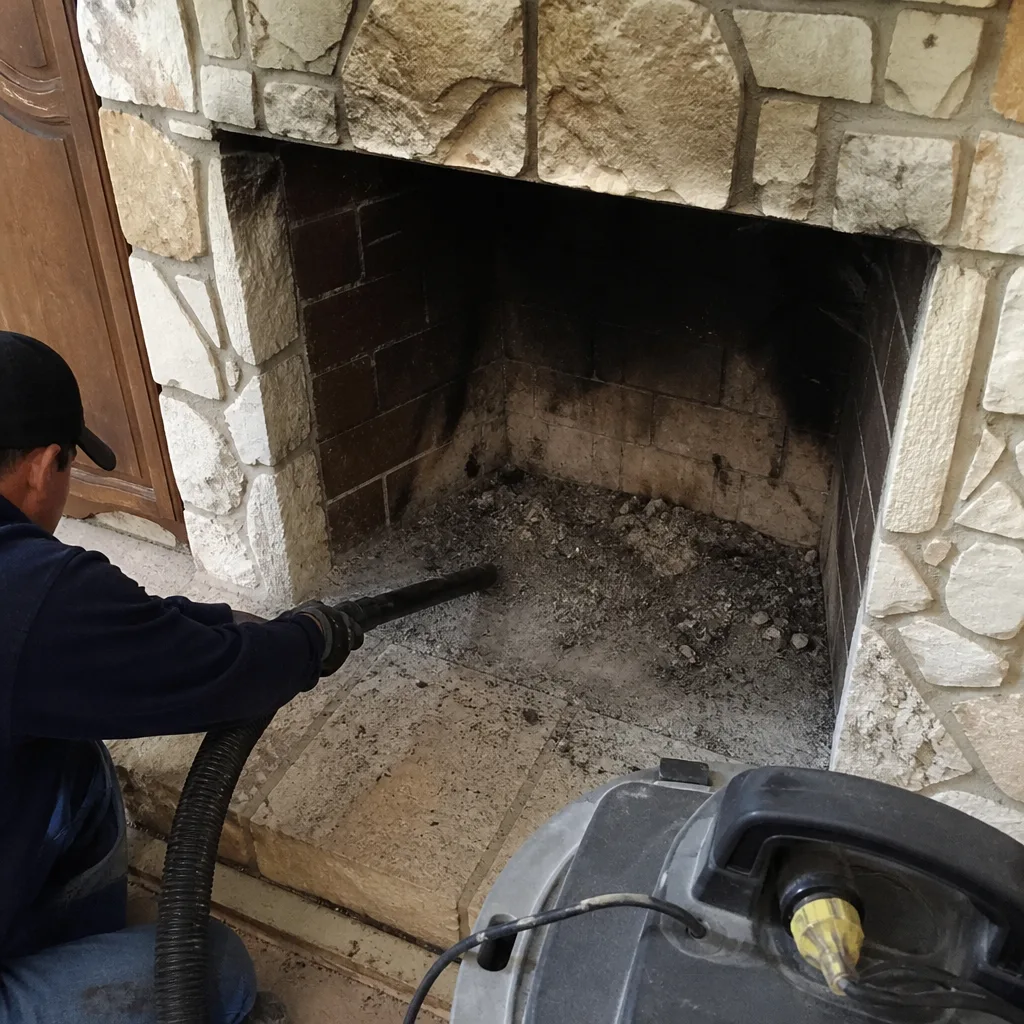 Before
 After
 Before
 After
Common Mistakes to Avoid
- Opening the damper during a suspected chimney fire. It feels like the right move to vent smoke, but it feeds oxygen to the fire. Keep it closed, get out, and call for help.
- Assuming a quiet chimney means a safe chimney. In Boca Raton’s low-creosote environment, the loud, roaring fire is the exception. The slow burning fire is the one that cracks tiles without anyone noticing.
- Treating a CO detector as a substitute for inspection. A detector alerts you after the fact. An inspection finds the cracked liner that hasn’t triggered the detector yet.
- Burning the first fire of the season before a post-storm check. In Boca Raton, that means checking the cap and crown after any high-wind event, not lighting up and finding out.
- Using a small fire to drive animals out of the flue. It’s dangerous for the animal and worse for the house. Call for an inspection instead.
- Firing a chimney sweep who recommends work you don’t understand. You should always ask why the work is recommended and see the evidence. A well-run inspection shows you the photos and explains the finding in plain language. If the sweep can’t, ask another sweep.
- Putting off the sweep because the fireplace looks clean. The firebox is not the flue. What you can see from the hearth is a small part of the chimney’s condition.
When to Call a Professional
Call a professional chimney service in Boca Raton when you smell a hot or smoky smell with no fire in the firebox, when your draft drops for no clear reason, when you hear scratching in the chimney, when you find a cracked or displaced cap after a storm, or when your last inspection is more than a year old and the burn season is coming. Call immediately if you have any reason to believe a chimney fire has happened, even if it lasted only seconds. Chimney Sweep Boca Raton offers free estimates in Boca Raton – call (877) 685-2248. We answer 24/7. Fast dispatch from 7am to 7pm, Sunday through Friday. Our technicians have up to 14 years of experience, and every inspection ends with a plain-language explanation of what we found and what it will cost to fix.
Frequently Asked Questions
The clearest signs after the fact are a warped damper, a cracked flue tile found during inspection, puffy “honeycomb” creosote, a smoky smell in the house with no fire burning, and a cap that has discolored or distorted. Because Boca Raton’s lower creosote loads tend to produce slow fires, many of the signs are only visible on a professional inspection. Call for a follow-up inspection if you have any doubt. Call (877) 685-2248 – estimates are free.
A slower, cooler fire produces less noise, less visible smoke, and less flame than the roaring chimney fires you see described for northern climates. That’s why the low rumble, the coffee-like smell, and the warm wall are the signs to listen for here. If you notice any of them, treat it as a fire in progress and get out. Call (877) 685-2248 once the fire department has cleared the house – estimates are free.
A new liner or a HeatShield resurfacing is needed when the flue tiles are cracked, spalled, or missing, and combustion gases are moving through the structure of the house instead of up the flue. That is not an upsell – it’s a life-safety issue and the evidence should be photographed for you to see. Ask to see the photos before you agree to anything. Call (877) 685-2248 and we’ll show you exactly what we found – estimates are free.
The general rule is once a year, or more often if you burn heavily or burn unseasoned wood. In Boca Raton, the burn season is shorter, so an annual pre-season sweep is usually enough for a typical household. If you burn every cool evening, ask for an inspection at the same time so nothing is missed. Call (877) 685-2248 to book a sweep – estimates are free.
Do not burn until the flue has been inspected. Storm debris blocks the draft, and a fire lit into a blocked flue pushes carbon monoxide back into the house. Call for an inspection and a sweep in the same visit. Call (877) 685-2248 – estimates are free.
Creosote builds up in the flue whether or not you notice it, and a chimney fire is the outcome you’re avoiding. The other risk is a cracked tile from an earlier fire that goes undetected and vents carbon monoxide into the house. Both are preventable with one inspection. Call (877) 685-2248 before the first burn of the season – estimates are free.
The Bottom Line
Chimney emergencies in Boca Raton are quieter and slower than the ones most guides describe, which is why the preparation matters more than the reaction. Know the four signs of a low-creosote fire: the low rumble, the coffee smell, the warm wall, the puff of smoke at the seams. Keep CO detectors working on every level. Check the cap and crown after every storm. Never light a fire to flush an animal out. And get a sweep and inspection done before the first burn of the season so a cracked tile doesn’t vent carbon monoxide into your living room. The right time to call is before you need us. Call (877) 685-2248 for a free estimate. We answer 24/7. Fast dispatch from 7am to 7pm, Sunday through Friday. A call outside dispatch hours is booked into the next opening.
Written by the team at Chimney Sweep Boca Raton.