
Last updated November 16, 2026
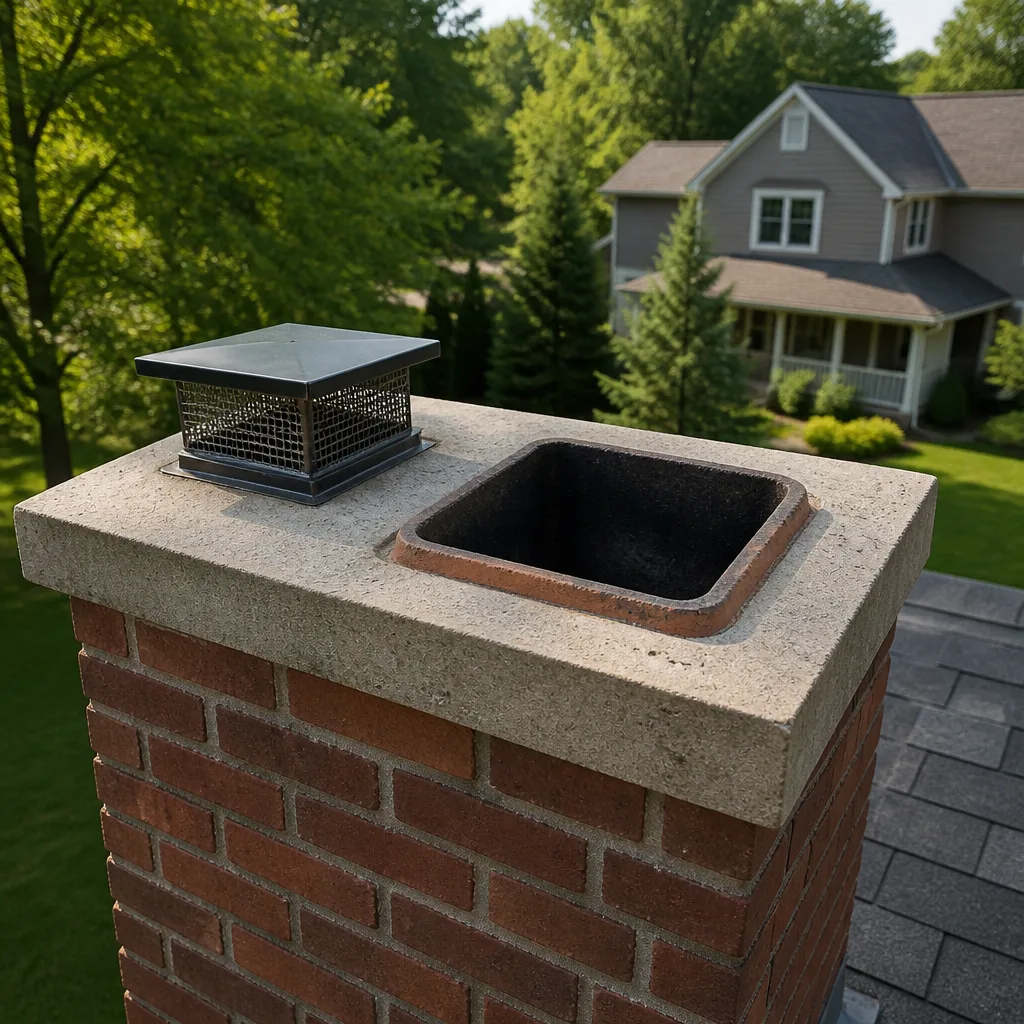 Sweep & inspection
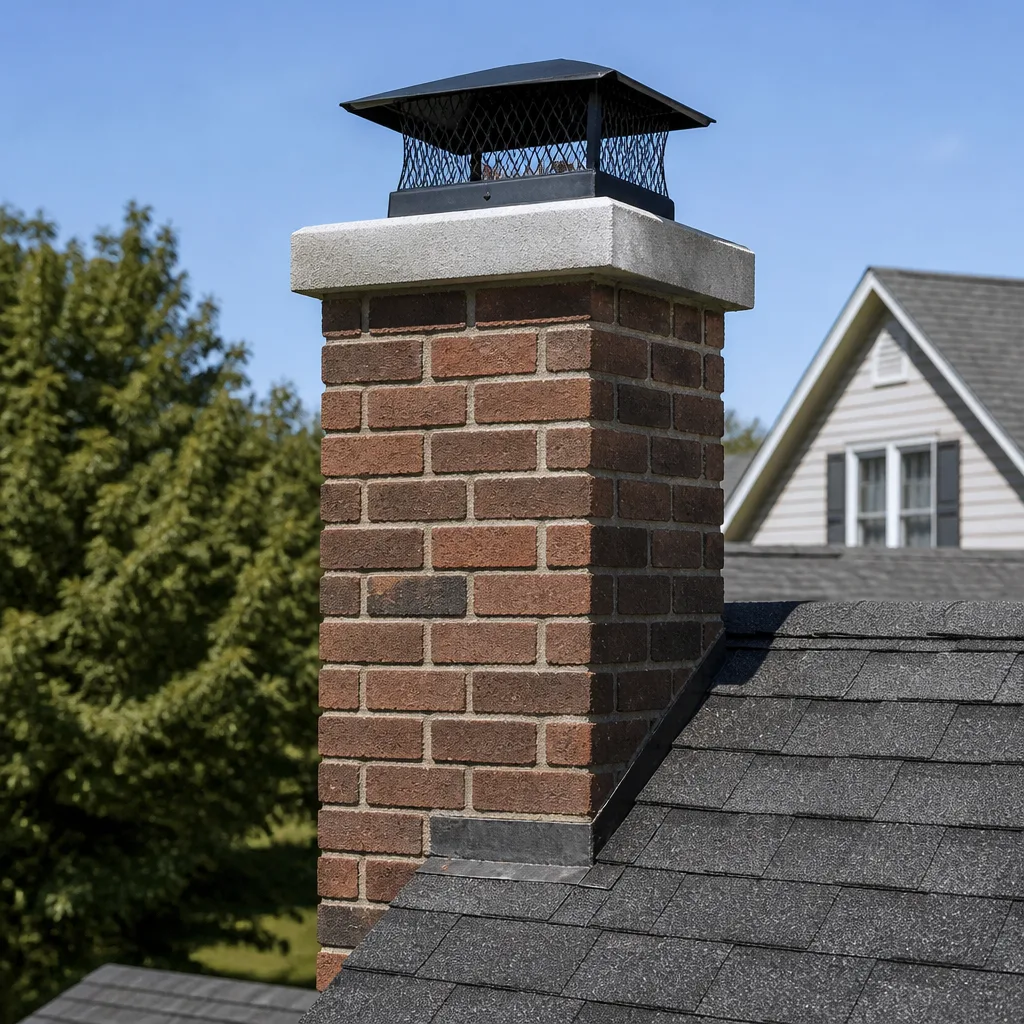 Caps & crowns
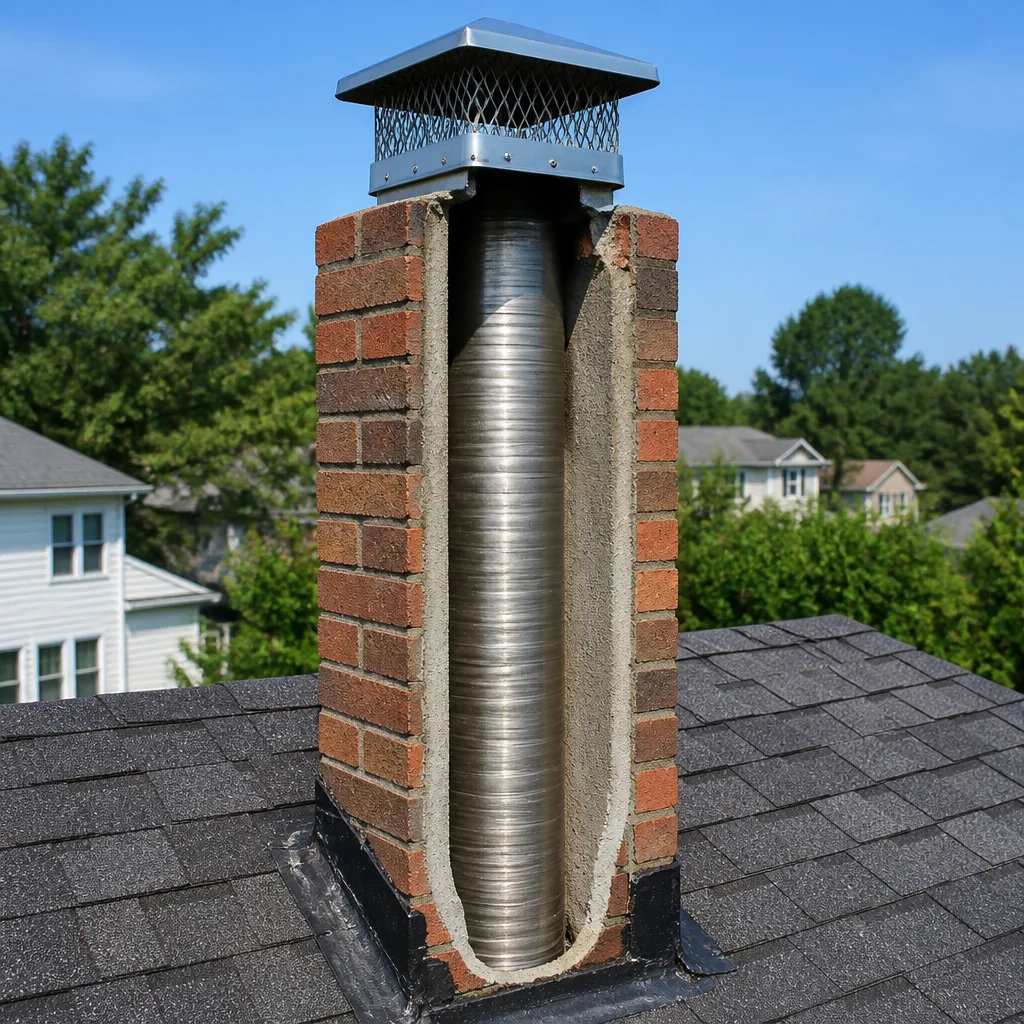 Flue relining
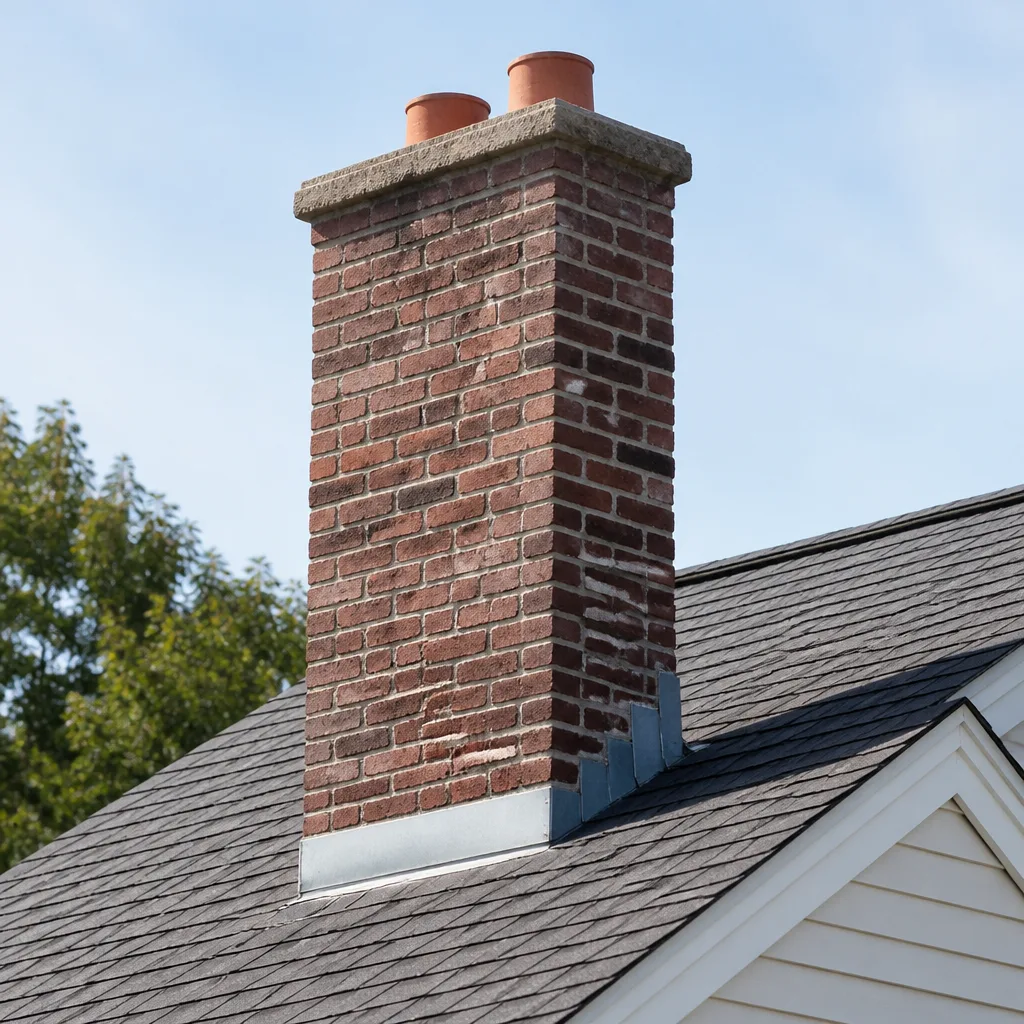 Masonry repair
 Gas fireplace service
Level 1 sweep and inspection to the NFPA 211 annual standard - flue, crown, cap, and flashing checked and photographed
Chimney sweep logs do not sweep chimneys. They loosen some creosote - which then falls where a brush and vacuum still have to collect it.
DIY vs Professional Chimney Cleaning: The Boca Raton Homeowner’s Decision Guide
A chimney brush and a set of fiberglass rods cost about $50 at the hardware store, and yes, they will pull loose soot off the inside of a flue. That part is true, and we won’t pretend otherwise. What a brush kit can’t do is show you the hairline crack in a tile liner three feet up that nobody’s eyes can reach, the smoke chamber that’s spalling behind the damper, or the separation where cap flashing has pulled away from the crown. Those are the things that actually allow creosote to reach framing or combustion gases to drift into living space. This guide walks through what a homeowner in Boca Raton can safely handle, what a brush physically cannot do, and how to decide which side of the line your chimney sits on.
Quick Answer
DIY chimney cleaning is a reasonable option only if you have a straight, accessible flue, a simple fireplace, a decent brush kit, and no history of chimney problems. For most Boca Raton homeowners, professional cleaning wins because a pro brings a rotary system and a video camera, and those tools catch the liner cracks and smoke chamber damage that a rod-and-brush kit can’t see. Budget-level cleaning is not the deciding factor; diagnosis is.
Styles & brands we work with
- Sweep & inspection
- Caps & crowns
- Flue relining
- Masonry repair
- Gas fireplace service
Table of Contents
- What a Brush Actually Removes
- What a Camera Sees That You Cannot
- The Real DIY Ceiling: Tasks You Can Do Safely
- Florida Factors That Push the Needle Toward Professional Service
- Side-by-Side: DIY vs Professional in Boca Raton
- Liability and Insurance After a DIY Sweep
- How a Professional Sweep Works, Step by Step
- How Often Does a Boca Raton Chimney Need Sweeping?
What a Brush Actually Removes
A chimney brush is a useful tool with a narrow job description. Its whole function is to knock loose, dry, flaky soot off the flue walls so it falls down to the smoke shelf and gets vacuumed or swept up. On a simple straight flue burning seasoned wood, a homeowner with good rods and a correctly sized brush can genuinely clear a meaningful amount of stage-one soot and light creosote.
What the brush does not do is break down glazed, tar-like stage-three creosote. That material is bonded to the liner surface and has to be fractured with a spinning rotary head before it can be removed. A rod-and-brush kit spun by hand doesn’t generate the speed or torque to break glaze, and it can’t reliably reach past offsets, thermoclauses, or a damper frame that was left in place. In our experience, most DIY sweeps hit the easy middle section of the flue and leave the harder upper third and the smoke chamber above the damper largely untouched.
The other thing a brush doesn’t do is inventory the condition of the flue. A brush removes soot from a damaged liner just as effectively as it removes soot from a healthy one. It gives no signal back about whether the tile it just scrubbed is cracked, spalled at the joints, or missing mortar entirely. That matters because a layer of soot sitting in a crack can look identical from below to a layer of soot on a sound tile.
- What the brush catches: loose soot, light flaky creosote, dust on the smoke shelf.
- What the brush misses: glazed stage-three creosote, smoke chamber scale, damaged tile joints, compromised crown and cap joints.
- What the brush can’t do at all: assess liner integrity, check for stranded nesting material behind a damper, confirm cap fastening, or photograph what it found for a record.
What a Camera Sees That You Cannot
This is the core of the DIY-versus-professional question, and it’s the part most homeowner comparisons skip. Cleaning and assessing are two different tasks, and only one of them shows you a picture.
A professional sweep runs a rotary cleaning system with a whip head on a flexible cable, which gives them both reach and the mechanical force to break glaze. Then they run a video inspection camera down the flue. That camera records what a brush, a flashlight, and a mirror at the smoke shelf simply cannot see: the inside surface of the tile liner at every joint, the transition into the smoke chamber, the top of the flue where the crown meets the tile, and the interior of any offsets or bends.
Here’s what that camera routinely catches in Boca Raton chimneys that look fine from the firebox:
- Hairline vertical cracks in the tile liner. Common at tile joints after years of heat cycling. Invisible from below, but a direct path for heat and gases into the surround.
- Deteriorating smoke chamber. The sloped area above the damper corbels inward, and its mortar can spall and shed over time. A brush can’t see it, and a flashlight doesn’t either.
- Spalling or missing mortar at joints. Small gaps widen when moisture gets behind them. Often the first sign a resurfacing job is needed.
- Wildlife nesting material. Squirrels and birds pull insulation and twigs into flues. From below it reads as soot. Staged against a flame, it isn’t.
- Separated cap flashing or a cracked crown. Water entry from above that shows as staining on the smoke shelf from below.
When we find that kind of interior damage, we don’t jump straight to a tear-out. HeatShield resurfacing lets us restore a deteriorating flue interior without a full rebuild in many cases, and DuraFlex flexible liner systems handle chimney runs with bends or offsets that a rigid liner can’t negotiate. That’s a repair path a homeowner sweeping their own chimney has no way to reach, because they never learn the problem exists.
The Real DIY Ceiling: Tasks You Can Do Safely
We’re not going to tell every homeowner to pay for a service they can legitimately do. There is a real, safe DIY layer, and it’s worth naming clearly. If your chimney is simple, has no history of liner problems, and you’re comfortable on a ladder, several maintenance tasks are within reach.
Safe for a confident homeowner:
- Visual check of the exterior chimney chase from the ground with binoculars (crown, cap, flashing, brick or stucco condition).
- Checking that the chimney cap is present, seated, and free of debris, and that no birds or squirrels have built in it.
- Keeping the firebox clear and confirming the damper opens and closes smoothly.
- An annual flashlight look up the flue from the firebox, which will catch only obvious blockages and gross soot buildup.
Where the DIY ceiling sits: brushing a straight flue is possible for a careful homeowner, but it comes with real constraints. Rodding a flue requires the right brush diameter, careful handling so the rods don’t scratch or crack tile, sealing the firebox off so soot doesn’t drift into the room, and safe ladder work. It also produces a lot of fine dust that a homeowner’s vacuum typically can’t contain the way a sealed professional setup can.
Where you should not go yourself: the flue interior assessment, any work at the top of the chimney above the crown, and anything involving a chimney that has shown cracking, staining, or unexplained draft problems. A trained technician should handle those, because the danger is real: a hairline crack you can’t see is a pathway for heat and carbon monoxide into a living space. We don’t hand out step-by-step instructions for chasing a liner or dismantling a cap, because the injury and fire risk isn’t worth it. If a swept-and-inspected flue turns up a deficiency, call a professional chimney repair service rather than attempting a fix.
Florida Factors That Push the Needle Toward Professional Service
Boca Raton’s climate changes the calculus in ways that a general DIY guide written for New England doesn’t account for. Winters here are mild, which means the chimney isn’t asked to hold a hot fire against a freezing exterior for months on end. But the warm, humid air does plenty on its own.
Moisture is the dominant local driver. Even in a mild climate, the interior of a chimney that isn’t drawing regularly holds warm, humid air that condenses on cooler flue surfaces. Over years, that slow moisture exposure is what opens tile joints, softens mortar, and rusts the damper assembly. The visual signature from below is a dark, sooty look that reads as creosote but is often a mix of soot and water staining. A homeowner sweeping with a rod-and-brush assumes the dark stuff is all soot and that a good brushing fixed it. A camera tells the truth: the tile behind that staining is what matters, and it’s the thing a brush kit never sees.
Wildlife intrusion is the second local factor. South Florida’s squirrel, bird, and rodent populations find uncapped flues appealing year-round, not just in a cold-season nesting window. Nesting material blocks draft, catches sparks, and smells. From the firebox it looks like soot. From the top of the flue, a professional sees a full obstruction that needs mechanical removal and a cap correction at the same visit. That’s the kind of thing a Gelco or Olympia Chimney cap resolves, and it’s not a job for a homeowner leaning off a ladder with a shop vac.
Humidity also takes a quiet toll on cap flashing and crown joints, which separate more readily when they’re wet through the warm months. From ground level the chimney looks fine. A camera and a top-of-flue inspection reveal what the flash isn’t telling you.
Side-by-Side: DIY vs Professional in Boca Raton
Below is an honest side-by-side for a typical single-story home in Boca Raton with one fireplace and a straight or lightly offset flue. Costs are typical estimates for the local market and will vary; the written estimate sets the final price.
| Factor | DIY Rod-and-Brush | Professional Sweep |
|---|---|---|
| Upfront cost | Around $50-$150 for a brush kit and rods | Typical sweep: roughly $150-$300; with camera inspection often bundled |
| Time | 2-4 hours for a first attempt, longer if soot is heavy | About 45-90 minutes including inspection |
| What it catches | Loose soot, light creosote | Loose soot, glazed creosote, liner cracks, smoke chamber condition |
| What it misses | Liner integrity, smoke chamber, offset condition, cap seating | Nothing in the flue it can’t reach; the camera reaches everything |
| Dust containment | Household vacuum, some air drift | Sealed containment, HEPA filtration |
| Risk | Falls, soot in the room, cracked tile from mis-sized rods | Handled by insured technicians |
| Follow-up | You’re still guessing whether the flue is sound | Photo report and a written assessment of what you’re looking at |
| Repair pathway | None; you’d have to bring in a pro anyway | HeatShield resurfacing, DuraFlex relining if needed, same service relationship |
The cost column is the one homeowners focus on, and we understand why. But the real spread between DIY and professional in Boca Raton isn’t the $50-versus-$200 gap. It’s whether you end up knowing the state of your flue. If you sweep at home and the flue is fine, you saved a couple hundred dollars. If you sweep at home and the flue has a hairline crack you can’t see, you’ve spent the same couple hundred and learned nothing that protects your house. That’s the trade.
Liability and Insurance After a DIY Sweep
This is a subject a lot of DIY guides glide past, so let’s be direct. A chimney fire or a carbon monoxide event in a Florida home that traces back to a chimney you swept yourself brings a hard set of insurance questions. Most homeowner policies require reasonable maintenance, and a fire adjuster will ask who cleaned the chimney and when. There’s no receipt, no inspection record, and no way to demonstrate the flue was in sound condition when it was last serviced. That is a much harder conversation than the one you’d have if a licensed, insured sweep had inspected and documented the flue first.
There is also the reality that DIY chimney work doesn’t come with liability coverage. If a homeowner’s sweep damages a liner, cracks a tile, or dislodges a cap that later fails, there’s no policy behind it. A professional sweep carries liability insurance precisely because the work touches a component whose failure can cause a house fire. That coverage and the written inspection report are the practical value of calling a professional, and the report follows the house even if a homeowner sells.
One more consideration, and it’s specific to Boca Raton real estate: property records and inspection reports matter at the time of a sale. A documented history of chimney servicing simplifies a home inspection and answers buyer questions before they become objections. There’s no equivalent paper trail for a DIY sweep.
How a Professional Sweep Works, Step by Step
Understanding what a professional sweep actually involves makes the DIY-versus-professional decision clearer, because it separates the cleaning from the diagnosing. Here’s the typical sequence.
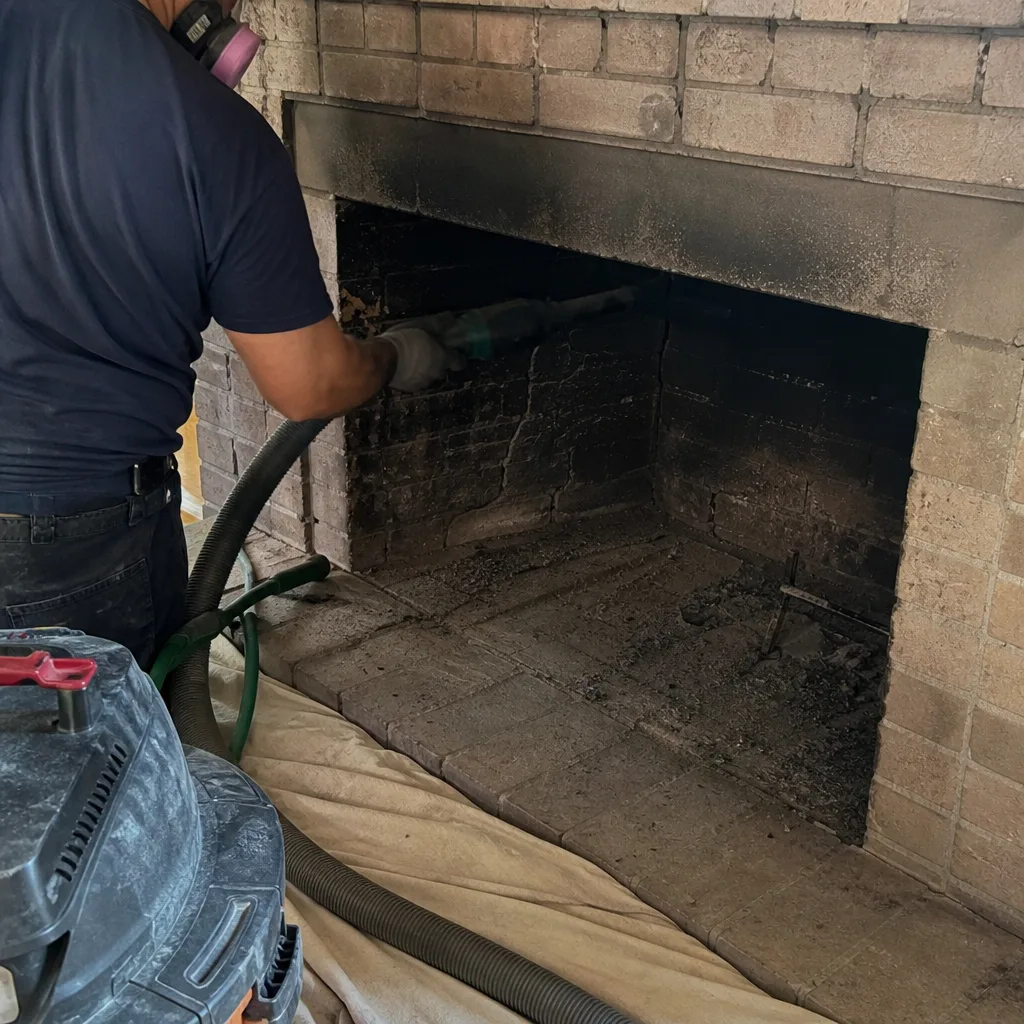
- Setup and containment. Drop cloths over the hearth, a sealed vacuum connection at the firebox, and roped-off floor space. The room stays usable while we work.
- Firebox and smoke shelf cleared of ash and soot. The area above the damper is where a lot of creosote accumulates and where most DIY sweeps stop.
- Rotary flue cleaning. A flexible cable drives a spinning head through the flue to fracture and remove glazed creosote, not just loose soot. This is the mechanical step a hand-pushed brush can’t match.
- Smoke chamber assessment. The interior of the smoke chamber is inspected and any loose mortar or scale cleared.
- Video camera inspection. A camera runs the full length of the flue to check liner integrity, joints, offsets, and cap seating. This is the part that produces the talking points for your report.
- Photo report and written findings. You see what we saw, photographed. If the flue is sound, we say so plainly. If a repair is needed, you get the specific deficiency named, not a vague recommendation.
When a repair turns up, the same company can carry it out. That’s the difference between a sweep-and-walk and a sweep-and-fix. We keep HeatShield, DuraFlex, Gelco, Olympia Chimney, Famco, and Copperfield in the toolkit so an inspection finding a deteriorated smoke chamber or an unsound liner can move straight to a fix without a separate contractor call. That single-source accountability is what you avoid by skipping the rough-and-tumble of two vendors pointing at each other over why the liner failed after a sweep.
How Often Does a Boca Raton Chimney Need Sweeping?
Most chimney professionals recommend sweeping once a year for a chimney in active use, and more often if you burn frequently or notice heavy creosote buildup. For a Boca Raton homeowner who runs a few fires a season, annual is the right rhythm; for a household that lights a fire most winter evenings, a mid-season look isn’t unreasonable. The more useful question than “how often” is “was it swept and inspected this year?”
Some homeowners will sweep at home between professional visits, and that’s fine as a stopgap if the flue is simple. But the annual visit is the one that produces the inspection record and catches the interior condition. If you’re not sure whether your chimney needs service right now, a chimney sweep with inspection settles the question in one visit and gives you a written answer. Our technicians have up to 14 years of experience reading exactly those signals. And on the flip side, if a professional inspection turns up a fixable defect, the chimney repair work happens in the same relationship rather than starting from zero with a new vendor.
Common Mistakes to Avoid
- Using an undersized brush on a tile flue. A loose-fitting brush glides over the liner surface without scrubbing it, so you sweep the room instead of the chimney. Match brush size to the flue dimension, not to what’s on the shelf.
- Trusting a flashlight look up from the firebox. A flashlight can’t see the inside of a tile joint or the slope of the smoke chamber. A dark stain from below can be soot, moisture damage, or a cracked liner, and only a camera distinguishes them.
- Sweeping once and reading the result as “healthy.” A clean flue that’s cracked or spalling is still a fire risk. Cleaning and assessing are separate tasks; a DIY sweep does the first and skips the second.
- Assembling rods indoors in a carpeted room. Fine soot drifts everywhere, and by the time you notice it, it’s in the upholstery. Containment is as important as the brush itself.
- Ignoring a wildlife or moisture smell from the flue. In Boca Raton, a nest or trapped humidity often reads as a soot smell from below. Clearing it needs a camera and a cap correction, not another round of brushing.
- Putting off the inspection until winter. The mild season is when a flue can be looked at without a rush. Waiting until the first cold snap means the repair queue is longer than it needs to be.
- Treating a repair quote as an upsell without asking for evidence. A reputable company will show you the camera footage and photograph the specific deficiency. If they can’t, walk away from that quote.
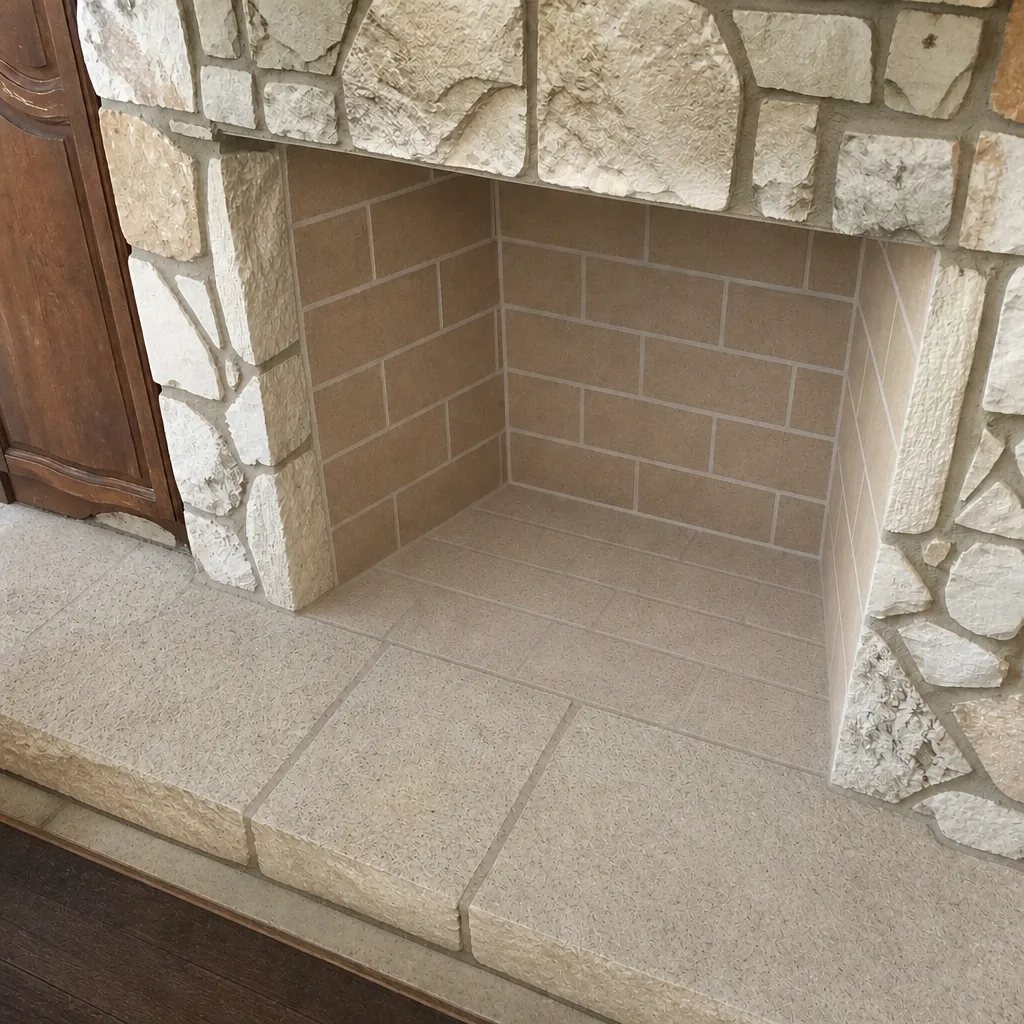
See the difference
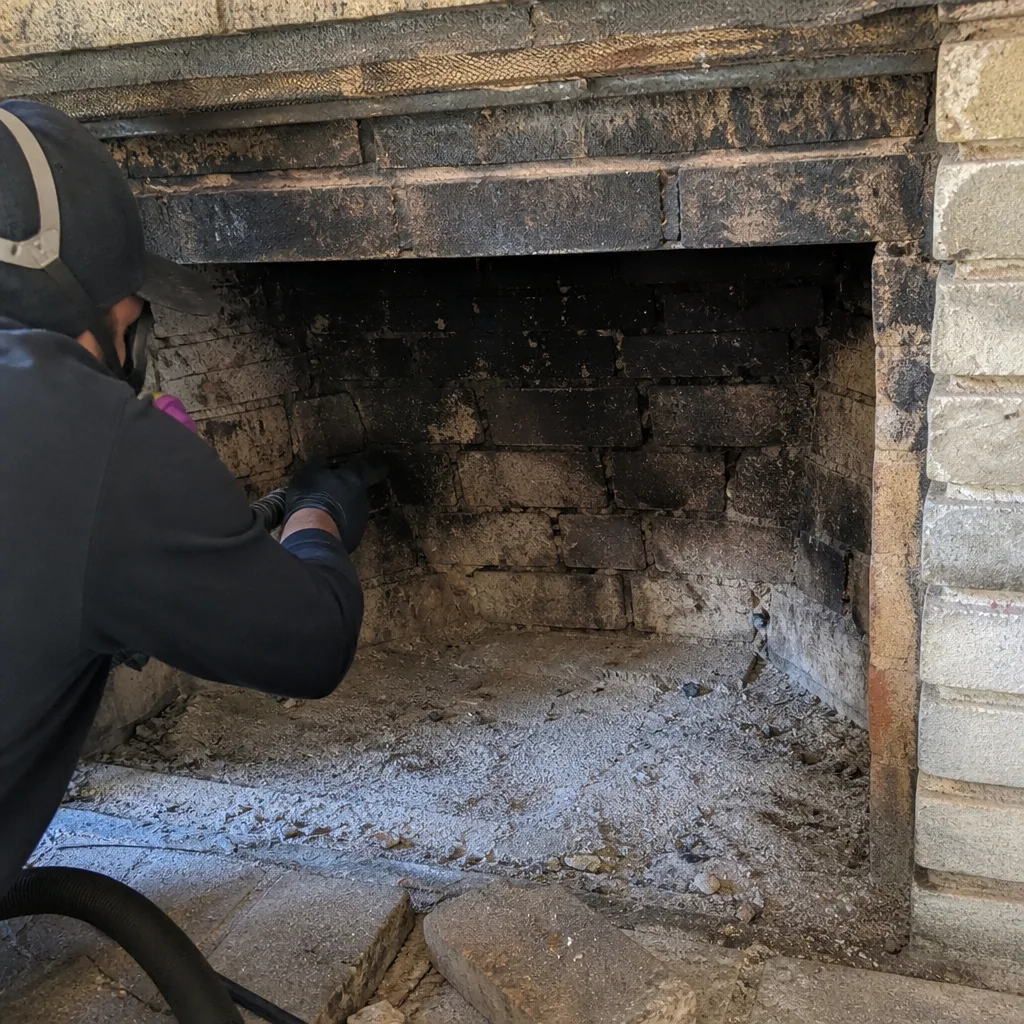 Before
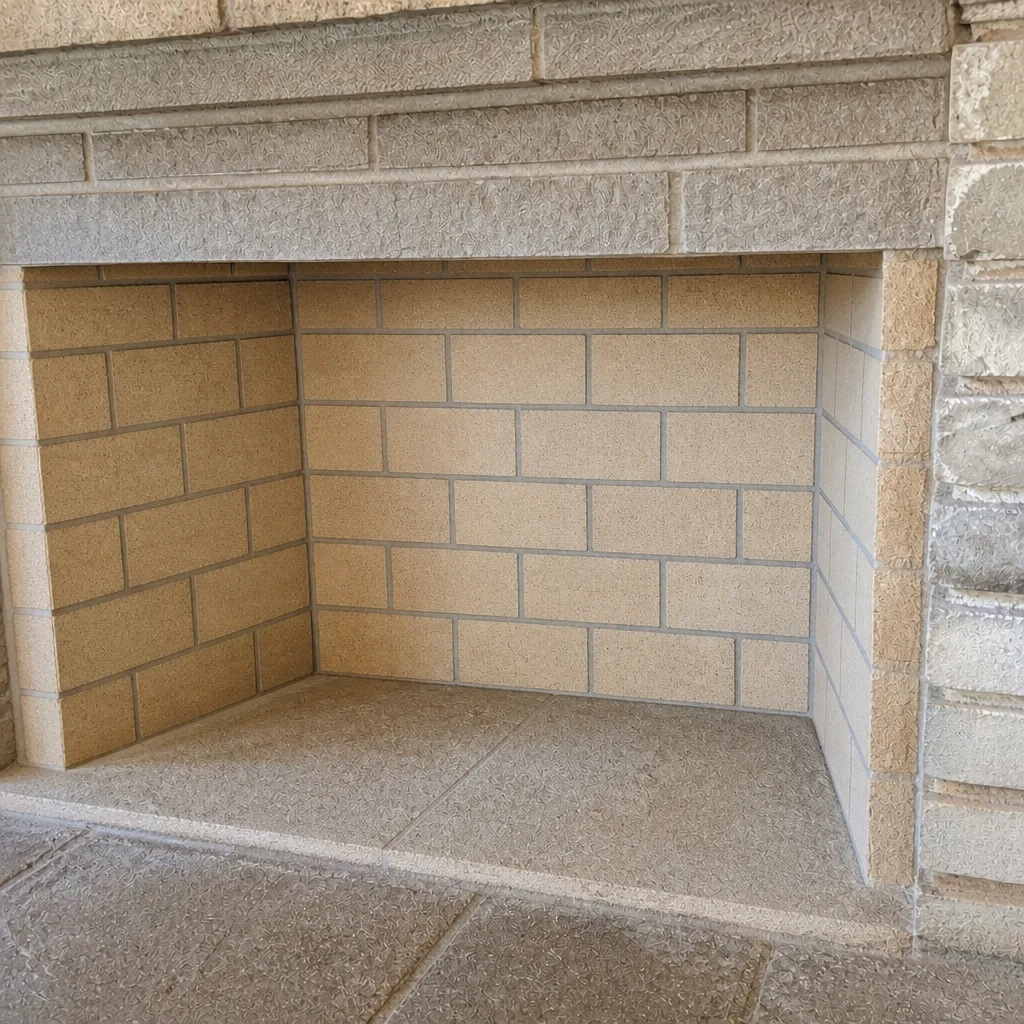 After
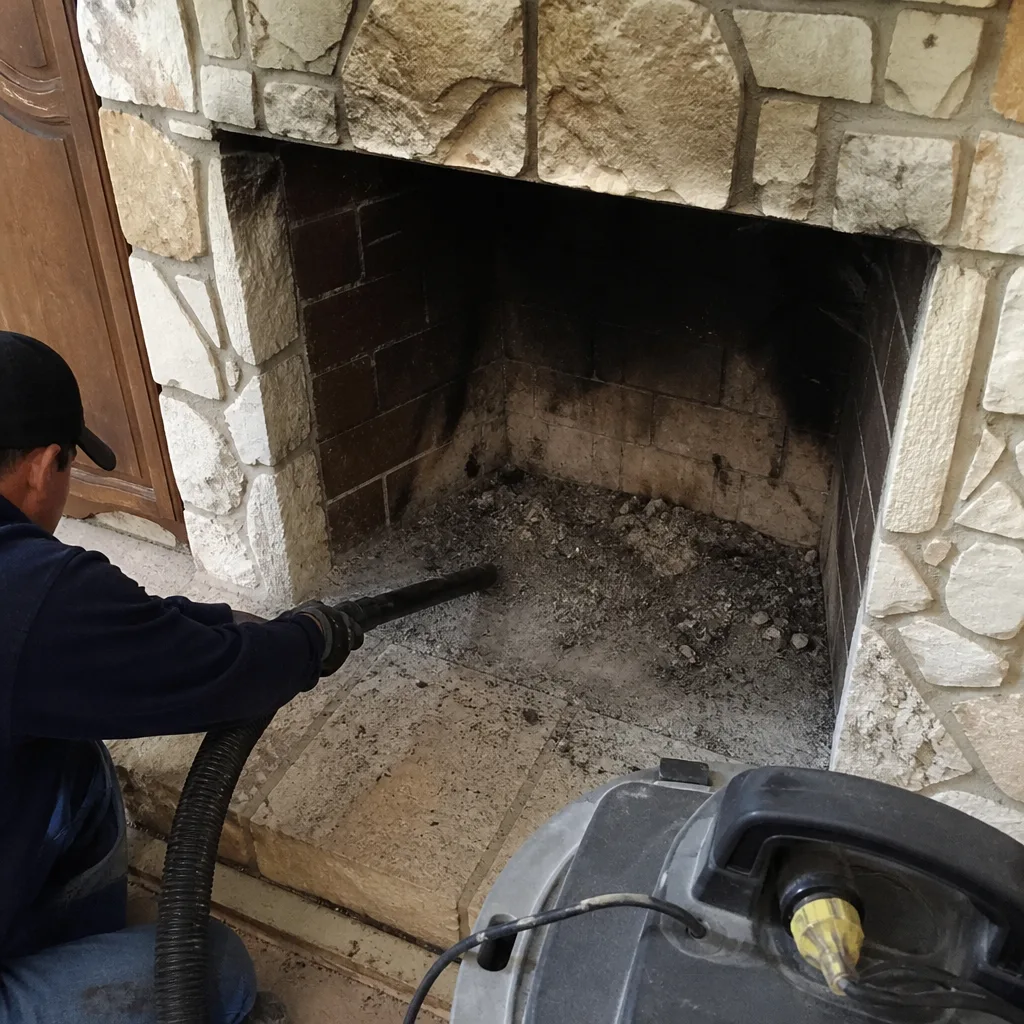 Before
 After
 Before
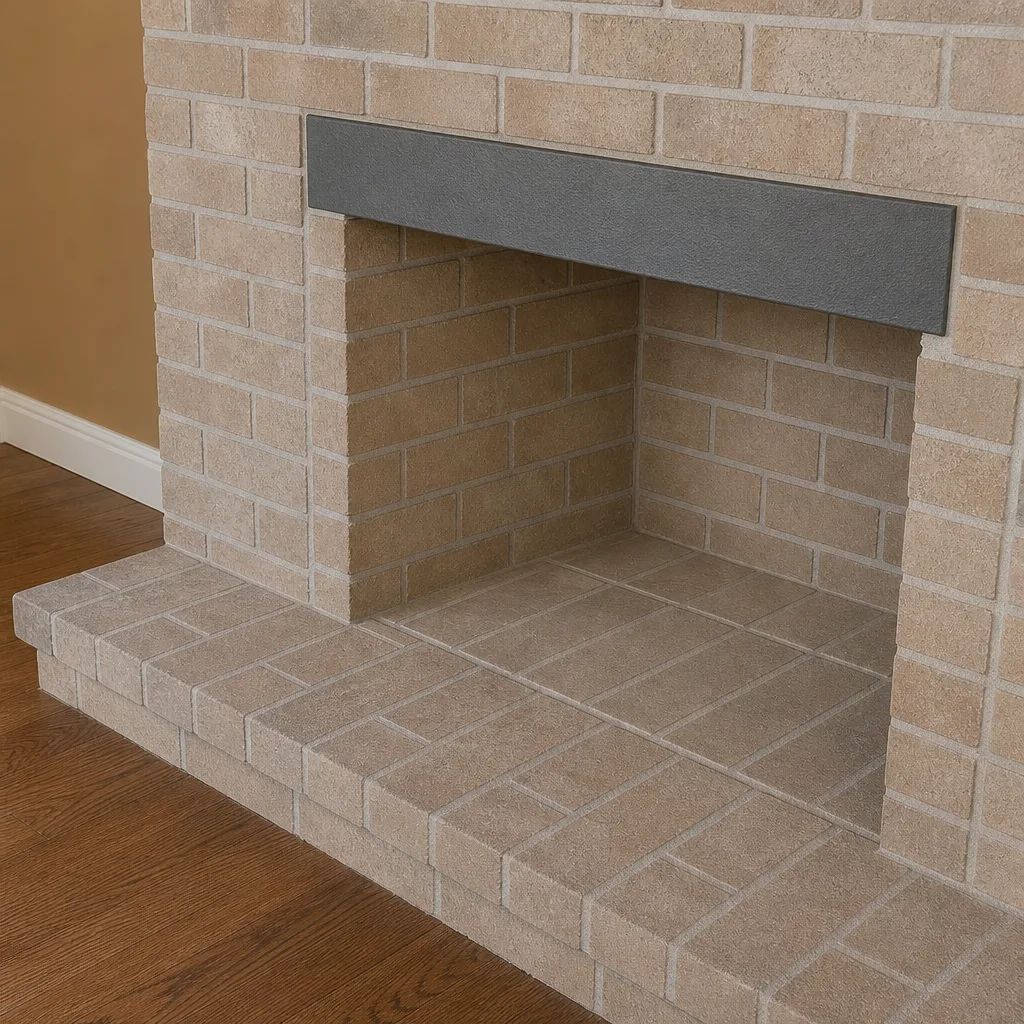 After
When to Call a Professional
Call a professional if any of the following applies: your chimney has a history of liner problems, your flue has bends or offsets, the chimney has been without a cap, you smell creosote or smoke in the house when the fire is lit, you’ve had a chimney fire (even a small one), or you simply don’t know the last time the flue was inspected. Call if the exterior crown or flashing looks separated when you check it from the ground, or if you’re on a ladder every fall unsure whether the brush actually reached the top third of the flue. Call if your insurer asks for documentation of servicing, or if you’re preparing to sell. In any of those cases, a sweep-and-inspection is money well spent because it produces an answer rather than a guess. Chimney Sweep Boca Raton offers free estimates in Boca Raton. Call (877) 685-2248. We answer 24/7. Fast dispatch from 7am to 7pm, Sunday through Friday.
Frequently Asked Questions
You can safely brush a simple, straight flue if you have the right tools, but you can’t perform the camera inspection that reveals a cracked tile liner, a deteriorated smoke chamber, or separated cap flashing. The cleaning is possible; the assessment is not. Call (877) 685-2248 for a free estimate if you want the flue diagnosed rather than just brushed.
A video inspection camera catches the interior of the flue at every tile joint, the smoke chamber, the top of the flue, and any bends or offsets, none of which a brush can see. It’s the difference between knowing the flue is clean and knowing it’s sound. Call (877) 685-2248 for a sweep that includes a photo report.
Most homeowner policies expect reasonable maintenance, and a fire claim after an unrecorded DIY sweep can be harder to defend than one with a documented professional inspection. A written report answers the adjuster’s questions directly. Call (877) 685-2248 for an inspection with documentation.
Most professionals recommend once a year for a chimney in active use, more often if you burn frequently. The mild climate here means annual inspection matters even in a light-burning season, because moisture and wildlife do their damage year-round. Call (877) 685-2248 to book a sweep.
A typical professional sweep with inspection runs roughly $150-$300 depending on flue length, soot load, and accessibility; the written estimate sets the final price. The estimate is free, so the cost of finding out your chimney’s condition is zero. Call (877) 685-2248 for an exact quote.
It’s safe if the flue was inspected and found sound before you burned again. A brushed flue that’s never been camera-inspected is a brush-clean chimney of unknown condition, and that unknown condition is the actual hazard. Call (877) 685-2248 for an inspection before your next fire.
The Bottom Line
DIY chimney brushing is a real option for a simple flue and a careful homeowner, and we won’t talk anyone out of the maintenance tasks they can genuinely handle. But the cleaning is only half the job. The half that decides whether your family is safe by the fire is the inspection, and that’s what a camera does and a brush kit cannot. If your chimney is straight, plain, and problem-free, brush away between professional visits. If you don’t know the state of your flue, the first answer needs to come from a professional. Chimney Sweep Boca Raton offers cleaning, inspection, and repair under one service relationship, so a defect found during a sweep travels to a fix without a second contractor call. Call (877) 685-2248 for a free estimate. We answer 24/7. Fast dispatch from 7am to 7pm, Sunday through Friday.
Written by the team at Chimney Sweep Boca Raton.