
Last updated November 16, 2026
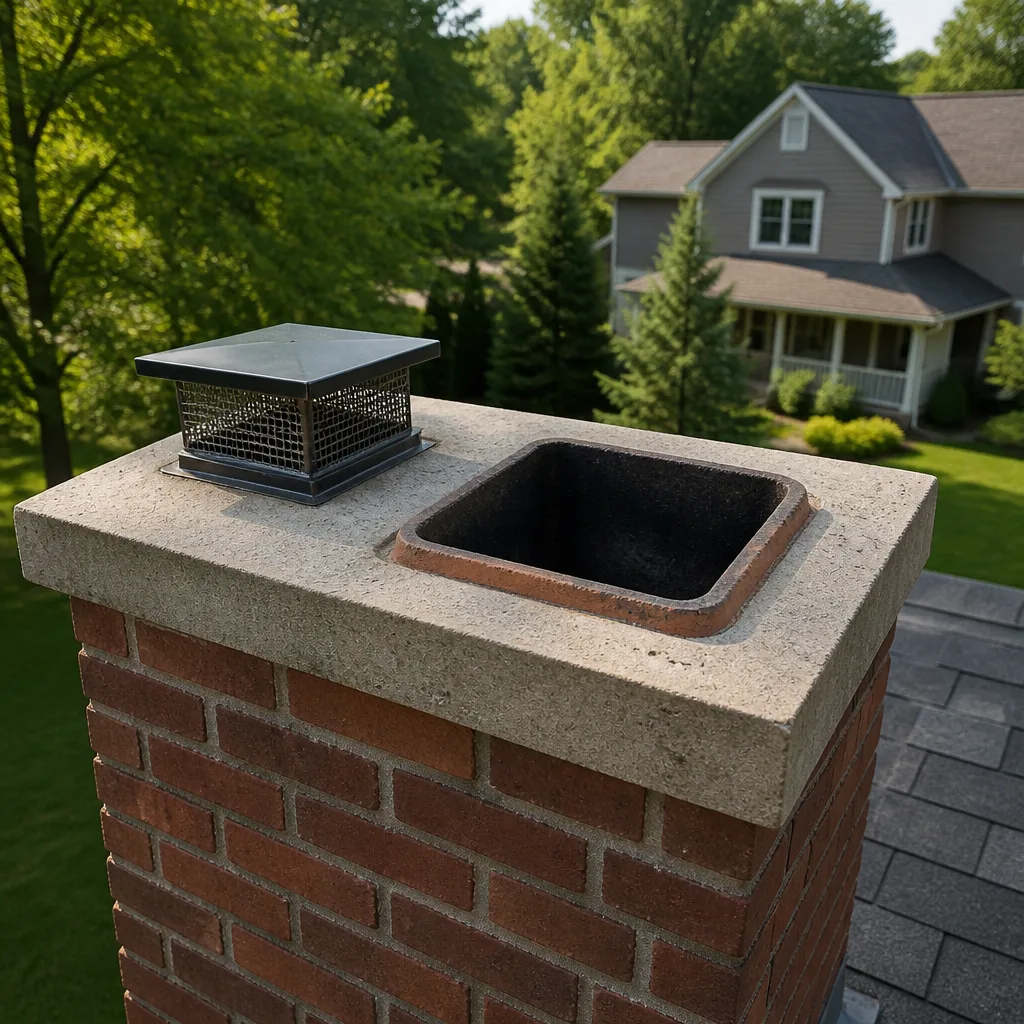 Sweep & inspection
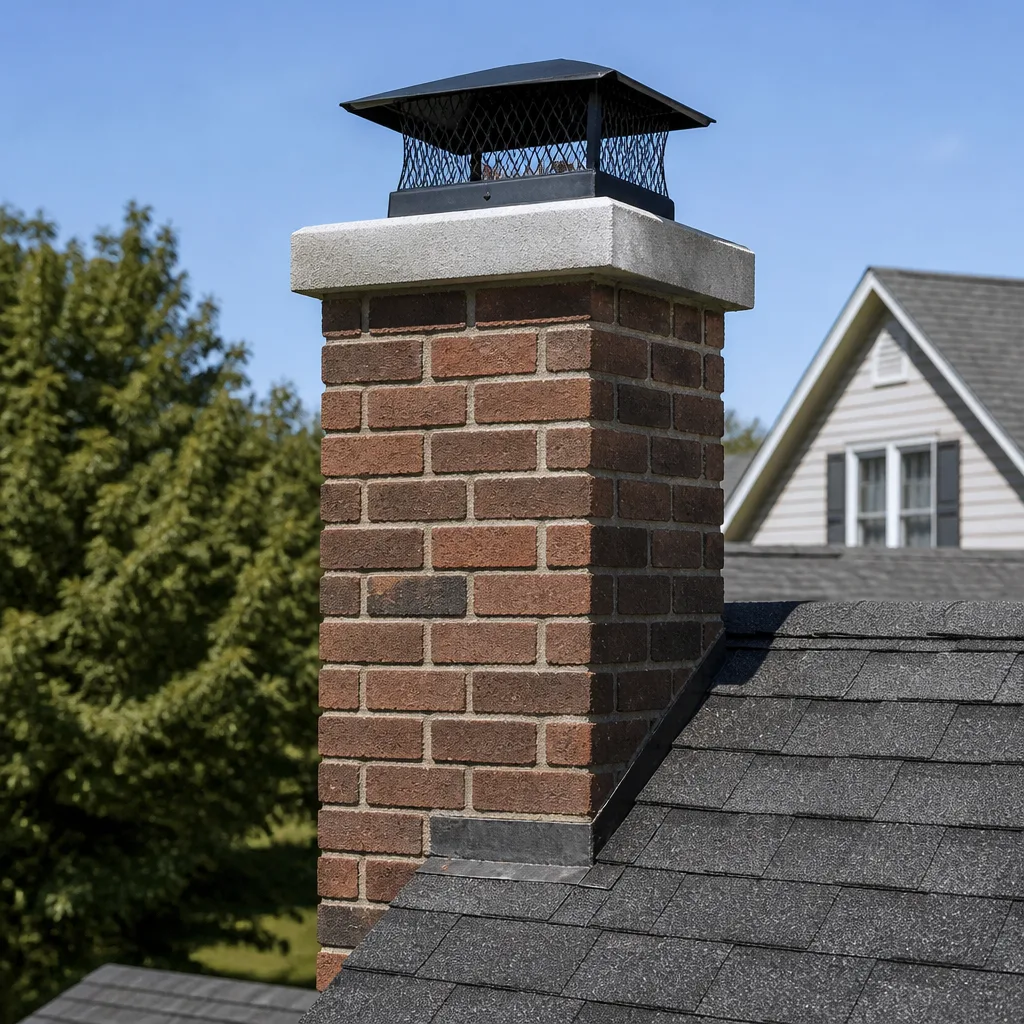 Caps & crowns
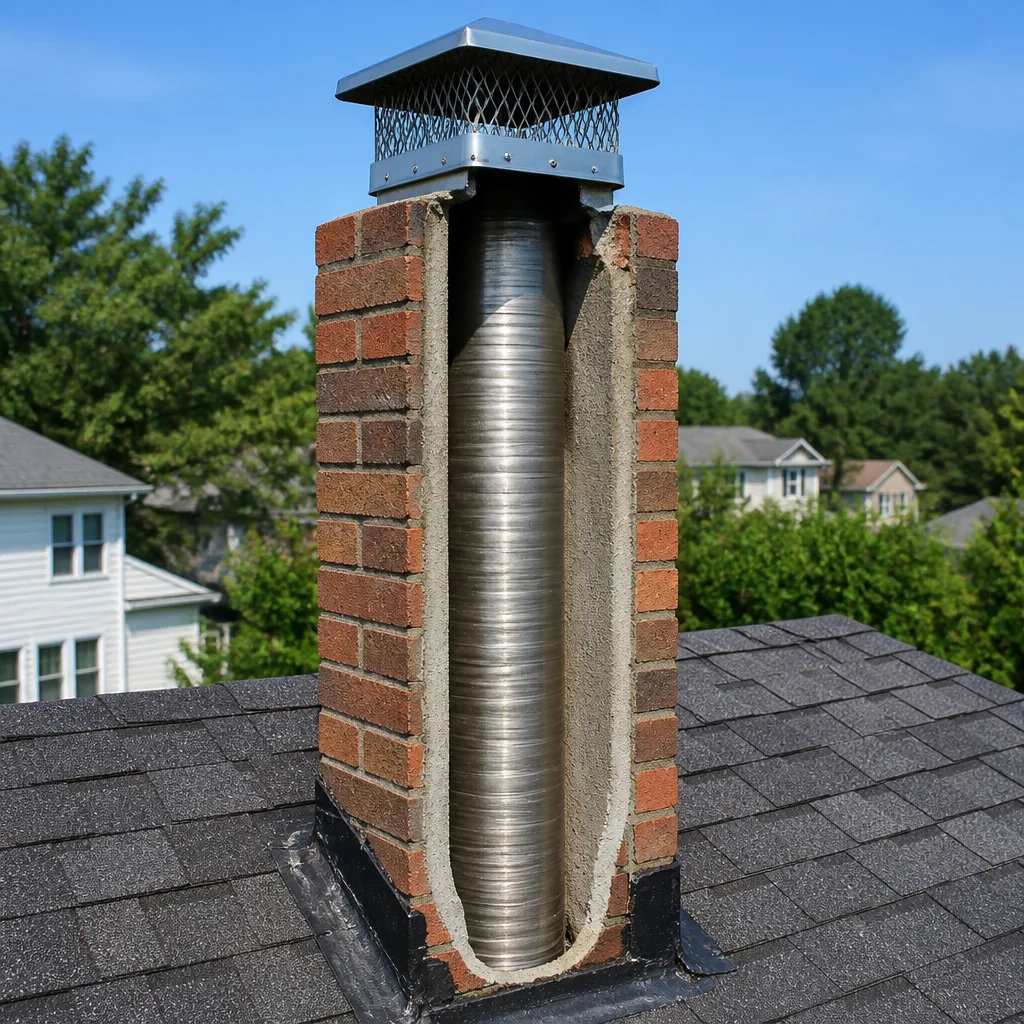 Flue relining
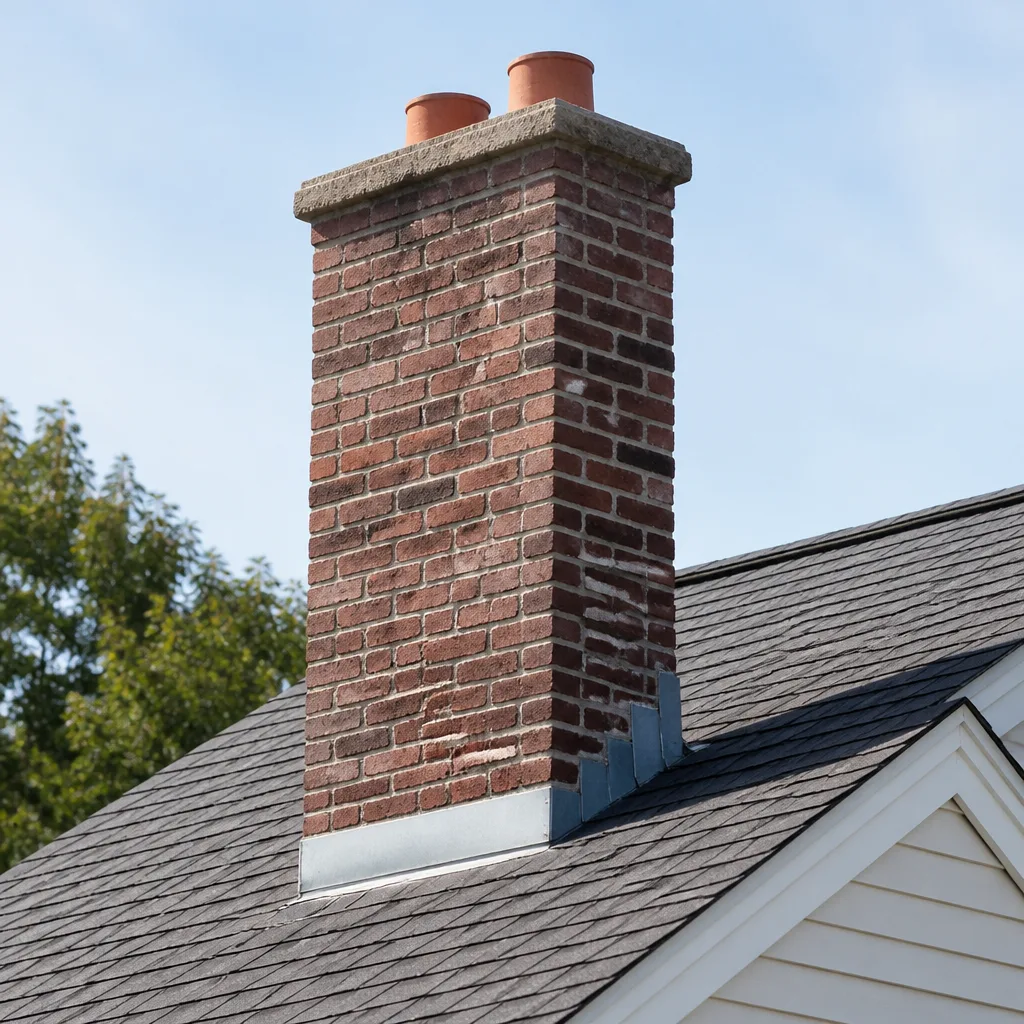 Masonry repair
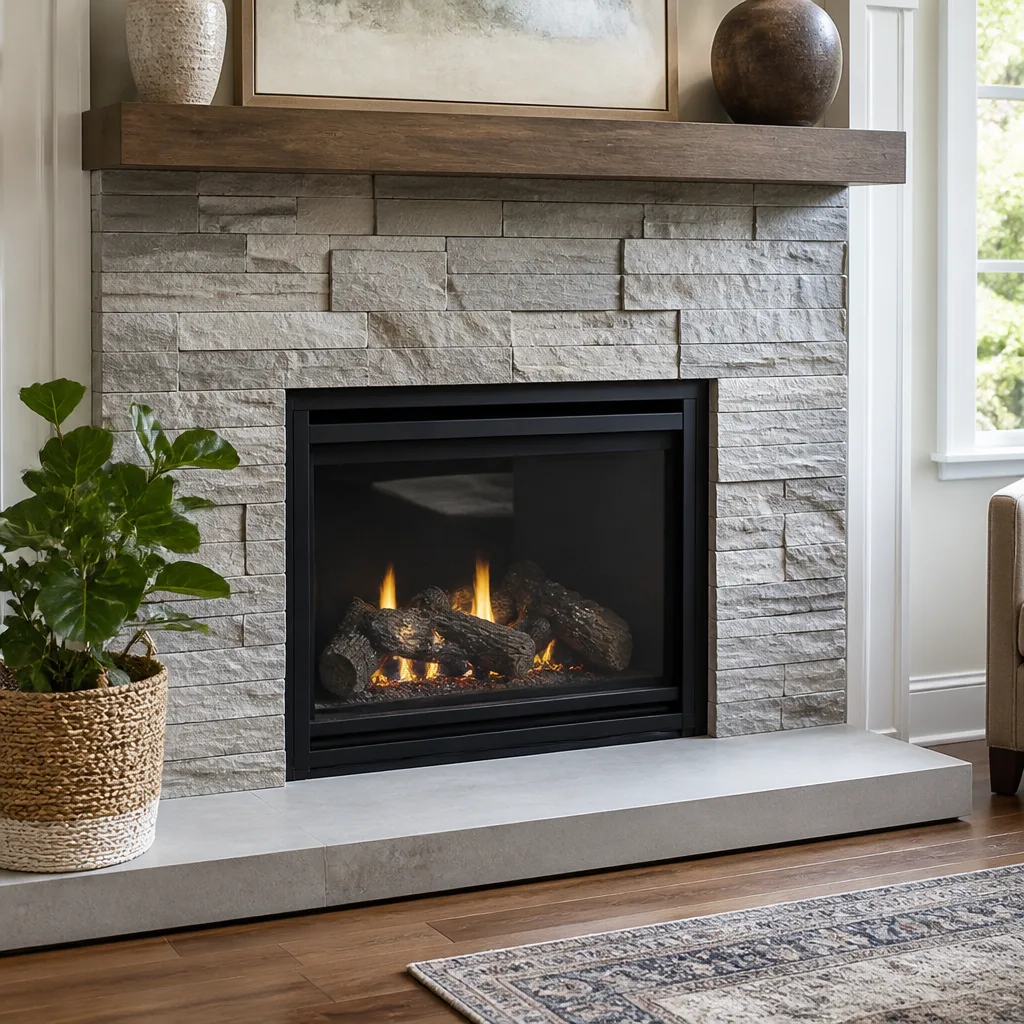 Gas fireplace service
Level 1 sweep and inspection to the NFPA 211 annual standard - flue, crown, cap, and flashing checked and photographed
Chimney sweep logs do not sweep chimneys. They loosen some creosote - which then falls where a brush and vacuum still have to collect it.
Chimney Cleaning Permits, Codes & Inspections in Boca Raton, FL: What You Need to Know
Most people assume the confusing part of chimney work is the work itself. It isn’t. The confusing part is knowing when a job is routine maintenance and when it has quietly crossed into construction that needs a permit under the Florida Building Code. A simple sweep is one thing. A new liner, a rebuilt firebox, or a gas insert conversion is another category entirely, and the line between them matters more than most homeowners realize. Get it wrong in Boca Raton and the problem doesn’t show up until you sell, refinance, or file an insurance claim. This guide walks through that line, the permit process, and what a real inspection report means when a lender or buyer is reading it.
Quick Answer
In Boca Raton, routine chimney cleaning and a Level 1 inspection generally do not require a permit. The moment work moves into liner replacement, firebox rebuilding, chimney cap structural work, or gas fireplace appliance installation, Florida Building Code requires a permit, and the work should be done by a licensed contractor who pulls it. A Level 2 inspection becomes a code compliance document when it’s used in a real estate transaction, and unpermitted chimney repairs can complicate insurance claims and title transfers.
Styles & brands we work with
- Sweep & inspection
- Caps & crowns
- Flue relining
- Masonry repair
- Gas fireplace service
Table of Contents
- Where Cleaning Ends and Permitted Work Begins
- How Boca Raton and Palm Beach County Requirements Interact
- What a Level 2 Inspection Report Actually Does in a Real Estate Deal
- The Permit Process for Liners and Gas Fireplace Conversions
- Why Unpermitted Chimney Work Is a Real Problem
- The Three Inspection Levels and When Each Applies
- What Makes Boca Raton Chimneys Different
- Common Mistakes to Avoid
Where Cleaning Ends and Permitted Work Begins
The single most useful distinction in this whole guide is the difference between maintenance and construction. Maintenance keeps a code-compliant system code-compliant. Construction changes it, and anything that changes the structure, the venting, or the fire-rated assembly around a chimney generally falls under a permit in Florida.
Cleaning (No Permit)
A standard sweep removes creosote, soot, and any obstruction from the flue. It doesn’t modify the chimney in any way. This work is maintenance, and it doesn’t trigger a permit in Boca Raton or anywhere else in Palm Beach County. The same goes for a basic cap inspection or a visual look at the firebox.
Repair (Usually No Permit – With Exceptions)
Minor repairs to the exterior, like repointing a small section of crown or resealing a cap, are typically treated as maintenance. The exception is anything that involves the flue interior, the firebox assembly, or the fire-rated clearances. When a repair changes how the chimney vents or how it’s protected from heat, treat it as permitted work until a licensed contractor tells you otherwise.
Replacement and Modification (Permit Required)
Any of the following pulls a permit under Florida Building Code when done in Boca Raton:
- Installing or replacing a flue liner, rigid or flexible
- Rebuilding a firebox or replacing firebrick
- Adding or modifying a chimney cap in a way that changes the venting
- Converting a wood-burning fireplace to gas
- Installing a new fireplace insert or freestanding stove
- Changing the flue height or chase structure
When we quote a liner job, we say plainly whether a permit is involved. Work that crosses this line should be done through a chimney repair scope, not squeezed into a cleaning visit.
How Boca Raton and Palm Beach County Requirements Interact
Boca Raton sits inside Palm Beach County, and chimney permits here run through the city’s building department with county-level code as the baseline. In practice, this means two layers of rules apply to any permitted chimney job, and both have to be satisfied.
Florida Building Code is the state-level document that sets the technical standards for chimney construction, venting, clearances, and firestopping. Palm Beach County adopts that code locally and adds amendments. Boca Raton, as an incorporated municipality, enforces it through its own permitting and inspection process rather than routing chimney permits through the county directly.
What this means for a homeowner
- Your permit is issued by the City of Boca Raton, not Palm Beach County.
- The code the inspector enforces is the Florida Building Code with Boca Raton’s local amendments.
- Final inspection is scheduled by the contractor who pulled the permit, typically after the liner or assembly is installed and before the cap goes on.
- Homeowner association rules in gated communities can add a layer on top of the code – especially for anything visible from the street like a chase extension or a new cap finish.
The point of all this isn’t to burden you. It’s that Boca Raton has more than one set of eyes on a permitted chimney job, and that’s exactly what protects the value of your home when you sell. If you’re not sure whether your neighborhood has additional HOA rules, check before you book – our Boca Raton service page notes what to have ready for the first visit.
What a Level 2 Inspection Report Actually Does in a Real Estate Deal
When a buyer’s inspector finds an unpermitted chimney repair, the deal doesn’t usually fall apart. It stalls. The buyer wants documentation, the lender wants documentation, and the seller suddenly has to prove work that was never inspected is safe and code-compliant. That’s when a Level 2 inspection report stops being a maintenance document and becomes code evidence.
A Level 2 inspection includes everything a Level 1 does, plus a full examination of accessible portions of the chimney, including the flue interior by camera, the attic, the crawl space, and any concealed areas reachable without demolition. We photograph what we find, label each deficiency, and write it up so it’s readable by someone who wasn’t there.
What a Level 2 report contains that matters at closing
- Camera images of the flue interior with labeled deficiencies
- Clearance measurements and whether they meet Florida Building Code
- Confirmation of liner material, condition, and whether it appears compliant
- Damper operation and required modifications
- Chimney cap and crown condition
- Any evidence of prior unpermitted work
If a transaction is pending and a Level 2 inspection flags an issue, the report is what tells everyone what needs to be done, whether it’s Chimney Sweep Boca Raton doing the correction or another contractor. It also gives the seller a clear path: fix what’s flagged, pull the permit, get the inspection signed off, and close.
The Permit Process for Liners and Gas Fireplace Conversions
Any chimney work that changes the venting system or the firebox assembly needs a permit in Boca Raton. Here’s how that process actually runs.
- Determine whether a permit is required. Cleaning and minor exterior repairs don’t need one. Liners, firebox rebuilds, and appliance installations do.
- Decide who pulls the permit. In Florida, a licensed contractor can pull the permit for work they’ll perform. A homeowner can pull an owner-builder permit in some cases, but doing so shifts full liability for code compliance and inspection onto the homeowner and can run into restrictions with lenders and insurers.
- Submit plans and product documentation. Liner installations require manufacturer specs. For a DuraFlex flexible liner on a flue with bends or offsets, that spec submission is part of the packet.
- Schedule rough-in inspection. After the liner is in but before the cap and top plate go on, the inspector confirms clearances, connections, and firestopping.
- Install final components. Cap, crown work, and any venting corrections are finished. Products like Famco caps and Copperfield venting components are what we install as final components.
- Final inspection and sign-off. Once passed, the permit closes and the inspection record becomes part of the property’s permit history.
Gas fireplace conversions follow a similar path but add a gas-line inspection by a licensed gas contractor. The conversion itself – burner, logs, venting – is part of the chimney permit. If your conversion involves a direct-vent assembly, venting corrections are called out on the plan.
If you’re wondering whether your specific job crosses the line, call us and describe what you’re planning. We’d rather tell you “no permit needed” up front than discover it later. Call (877) 685-2248. We answer 24/7. Fast dispatch from 7am to 7pm, Sunday through Friday.
Why Unpermitted Chimney Work Is a Real Problem
Unpermitted chimney work doesn’t cause problems immediately. It causes problems on a delayed timeline – at resale, at refinance, or after a chimney fire when an insurance adjuster asks for the installation record.
Insurance claims
If a chimney fire damages your home and the adjuster discovers that a liner was installed without a permit, the claim can be contested. Insurers aren’t required to cover damage from non-code-compliant work. We’ve seen policies where the coverage response came down entirely to whether the work had been inspected and signed off.
Title transfers
During a sale, the buyer’s inspector reviews permit history. Unpermitted work shows up as a discrepancy: a liner installed but no permit record, a firebox rebuilt but no inspection. The seller then either has to prove older code compliance or correct the work retroactively. Retroactive permitting is possible but slow – it typically requires opening up what was closed, getting an inspection, and paying for whatever corrections the inspector requires.
Recourse
If a contractor installed a liner without a permit and the work later fails inspection, your recourse depends entirely on that contractor’s licensure and insurance. If they weren’t licensed to do the work in the first place, there’s no recovery path. This is why we say: if liner work is being quoted, ask for the contractor’s license and confirmation that they’ll pull the permit.
The Three Inspection Levels and When Each Applies
Not every inspection is the same. The industry recognizes three levels, each doing a different job.
Level 1 – Annual Maintenance
A Level 1 inspection is visual and covers readily accessible portions of the chimney: the firebox, damper, smoke chamber, and flue as visible from the top and bottom. It’s what accompanies a routine chimney sweep. No permit, no camera, no report beyond a summary.
Level 2 – Transaction and Change-of-Use
A Level 2 inspection adds a camera scan of the flue interior, examination of accessible attic and crawl space areas, and a written report. It’s required when:
- A property changes hands
- An appliance is replaced or changed (wood to gas, for example)
- There’s been a chimney fire or a seismic event
- You’re installing a new liner and a pre-condition assessment is needed
A Level 2 inspection is what a real estate transaction relies on. If you’re preparing to sell, having one done before the buyer’s inspector does is almost always cheaper than retrofitting after an issue is flagged.
Level 3 – Diagnostic
A Level 3 inspection is diagnostic work that requires access to concealed areas of the chimney. It’s used when a Level 2 has flagged a problem that can’t be further evaluated without opening up the structure. It’s the deepest level and is used sparingly. In Boca Raton this typically comes up on older homes where the chimney has been modified multiple times and the flue configuration is unclear.
What Makes Boca Raton Chimneys Different
Boca Raton’s climate and housing stock shape what a chimney inspection finds, and the differences are specific enough that a sweep from out of town often misses them.
Winters here are mild, which changes how people use their fireplaces. Instead of a long heating season, Boca Raton sees concentrated use – a handful of cool evenings, a few holiday fires, then long idle periods. That pattern matters because creosote forms most heavily in cold weather, when fires burn hot and flues are cold. In Boca Raton, most creosote accumulation happens in short bursts, and the rest of the year the chimney sits unused and unobserved. Damage develops during the idle months without anyone noticing.
The housing stock adds another wrinkle. Many Boca Raton homes in neighborhoods like the estates around Mizner Park, in Spanish River, and in the communities near the coast were built with brick or prefab chimneys that have been modified over time – a wood fireplace converted to gas, a liner added, a cap replaced. Each of those changes should have been permitted. Each one that wasn’t creates the kind of discrepancy that comes back to bite a seller.
Wind-blown debris, animal activity, and the summer rain cycle also affect Boca Raton chimneys. A cap that’s lost its screen lets birds and squirrels in. A crown that’s cracked lets water into the flue. When we look at a Boca Raton chimney we’re looking for the full picture: the flue, the cap, the crown, the firebox, the clearances, and the permit history (when we can see it).
If your home has a masonry chimney that hasn’t been inspected in over a year, that’s the case for scheduling a Level 2. We’ll tell you exactly what we found, with camera images you can see for yourself.
Common Mistakes to Avoid
- Skipping the permit to “save time.” A homeowner who lets a contractor install a liner without a permit is taking on the risk, not the contractor. The permit cost is small compared to what a retroactive fix runs during a sale.
- Assuming cleaning covers a repair. A sweep is not an inspection and does not assess code compliance. If you’re buying or selling in Boca Raton, book a Level 2 separately.
- Hiring a generalist for liner work. A handyman can sweep and repoint, but liner installation and firebox work need a licensed contractor who works with manufacturer specifications for products like HeatShield or DuraFlex. Confirming licensure before booking saves grief later.
- Ignoring HOA requirements in Boca Raton communities. Many gated communities require approval for exterior chimney changes, including new cap finishes. A permitted job can still fail HOA review if you skip the paperwork.
- Treating a Level 2 report as paperwork. The camera scan and written report are the evidence you’d need during a real estate transaction or an insurance claim. Keep them with your property records.
- Letting a wood-burning chimney sit unused without annual inspection. In Boca Raton, low-use chimneys accumulate as much damage over the long off-season as they do during the fire season. Annual inspection catches problems you wouldn’t otherwise see.
- Assuming gas conversion doesn’t need a permit. Converting wood to gas requires a permit and a gas-line inspection. Unpermitted conversion is one of the most common issues buyers’ inspectors flag in Boca Raton.
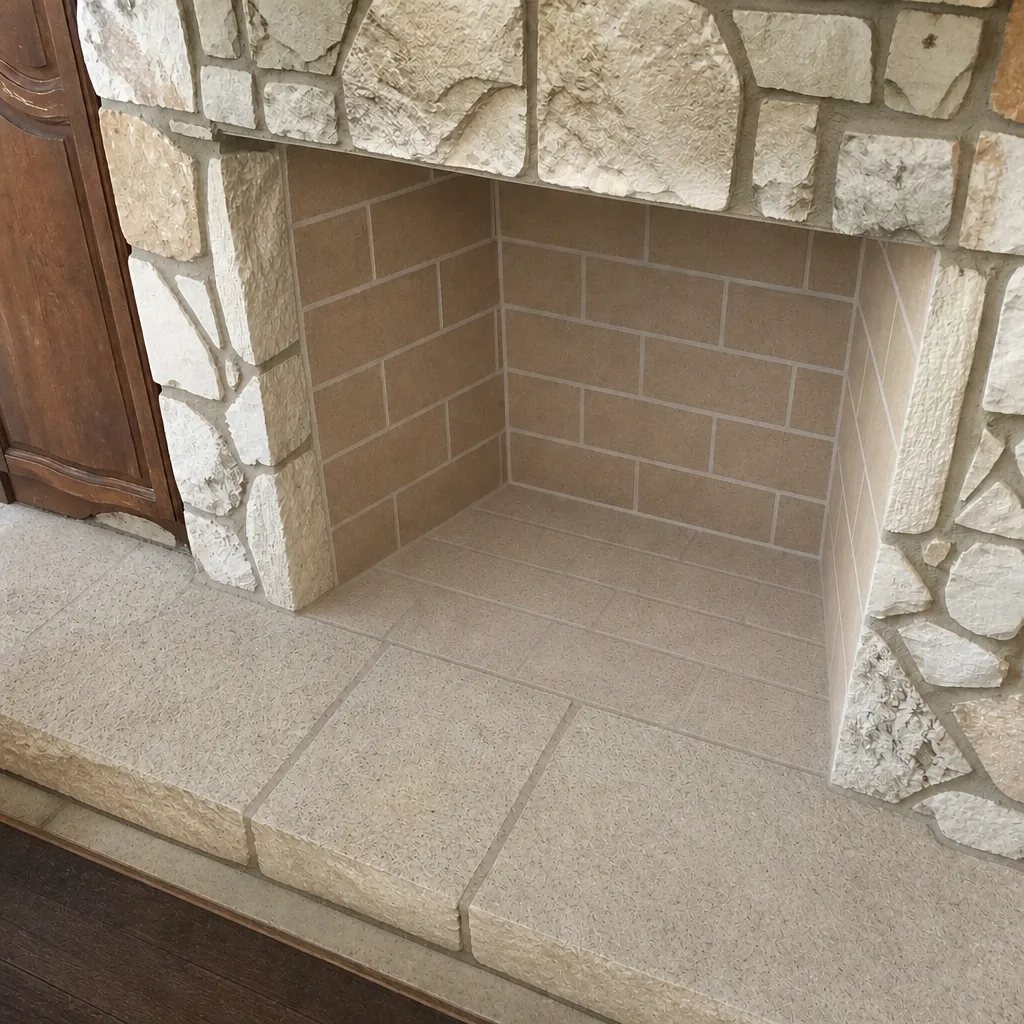
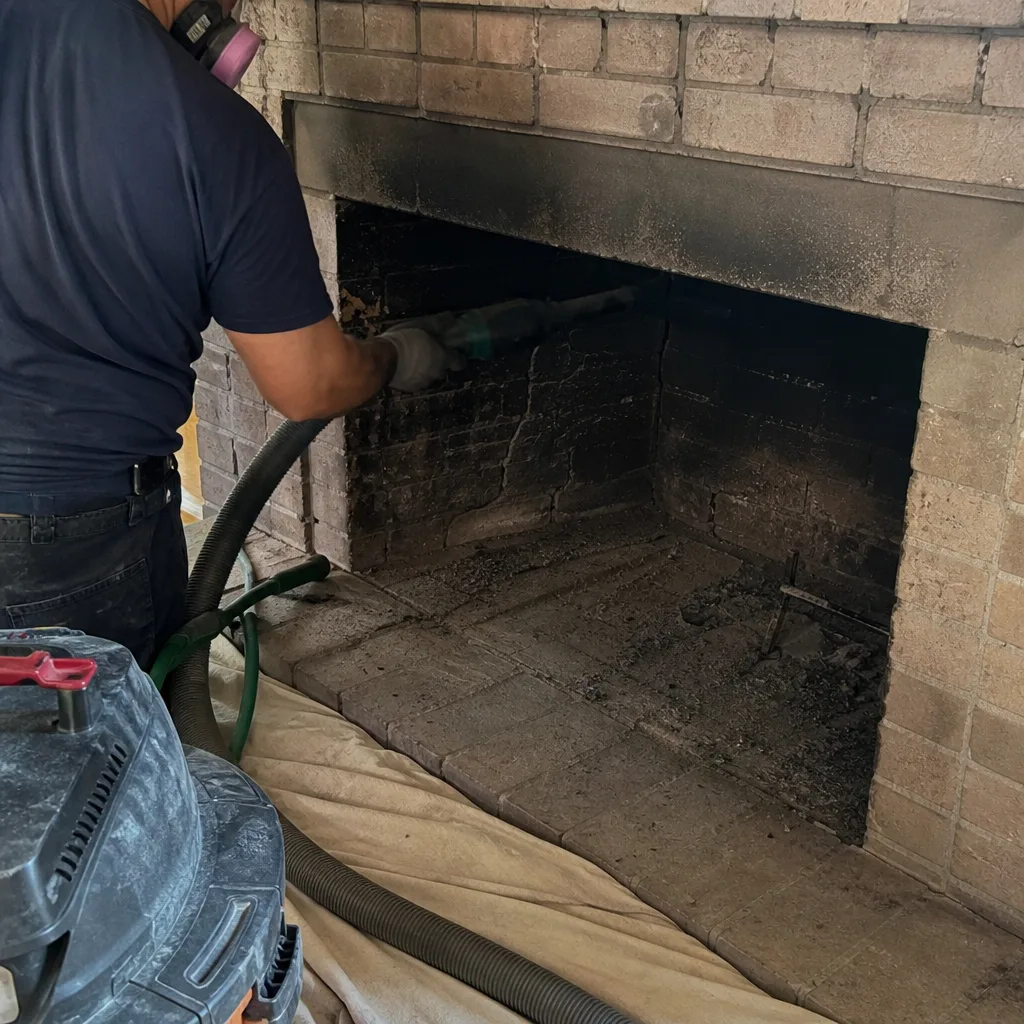
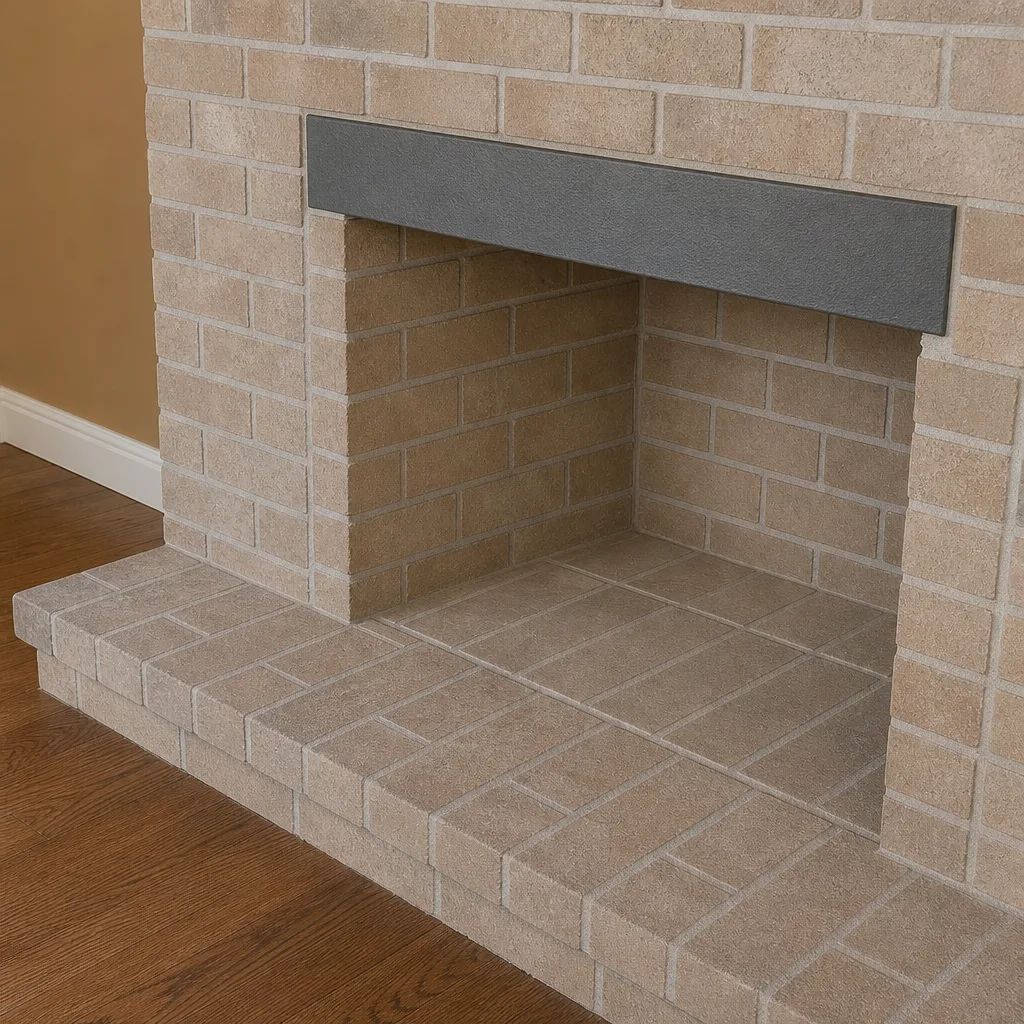
See the difference
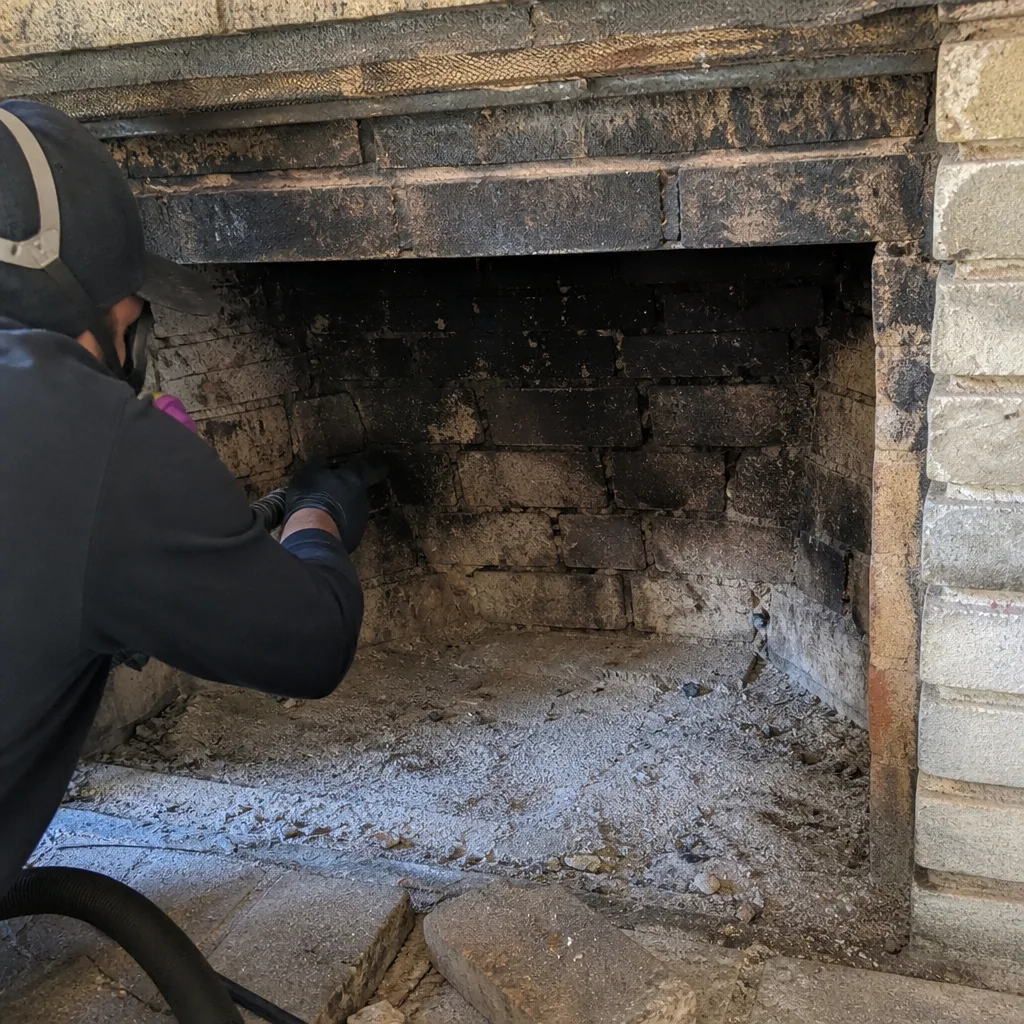 Before
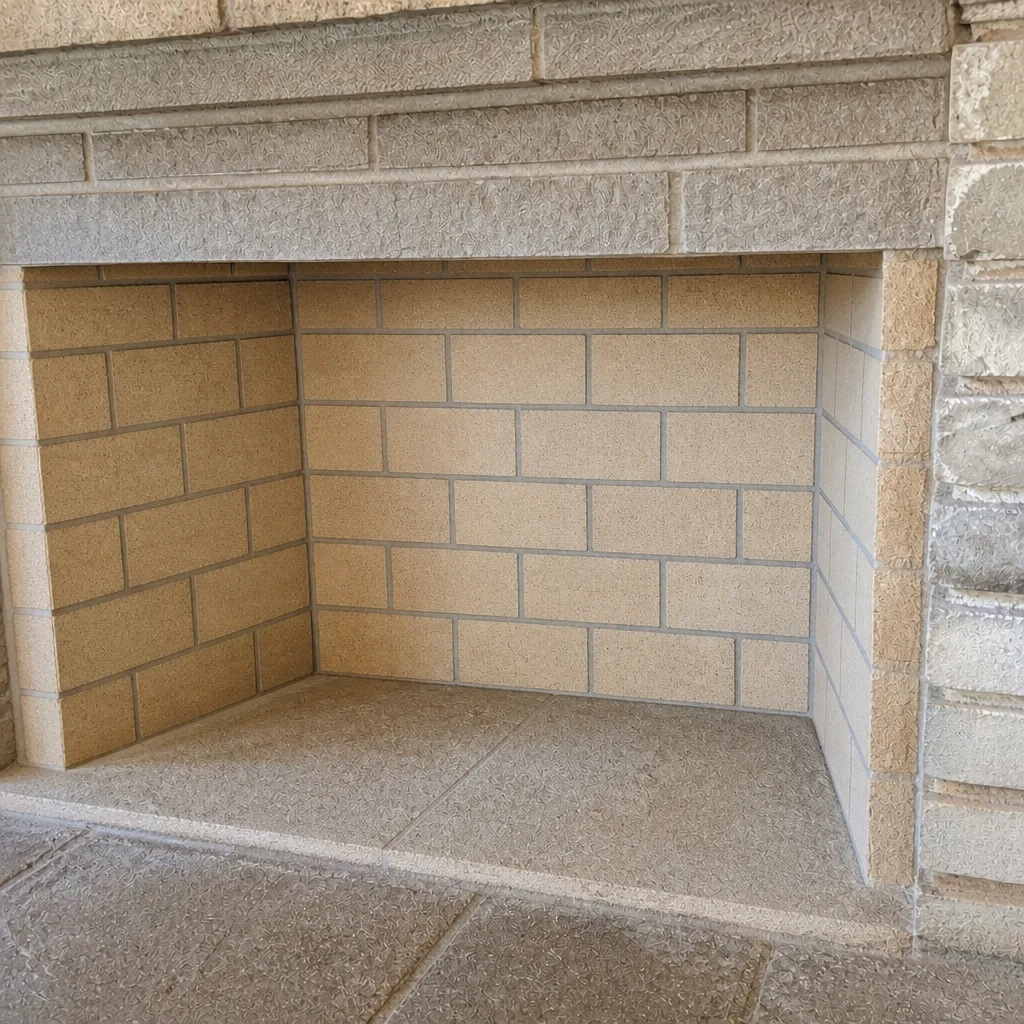 After
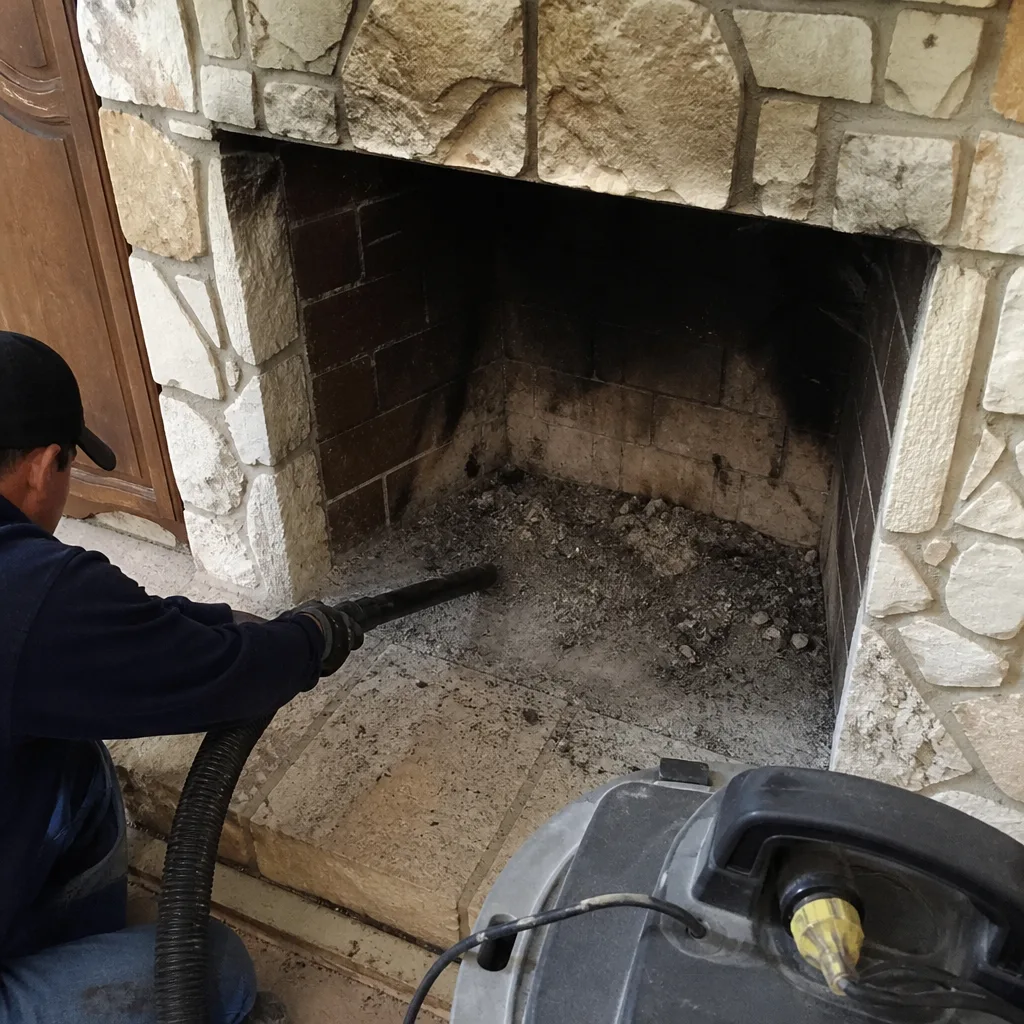 Before
 After
 Before
 After
When to Call a Professional
A chimney is one of the few parts of a home where a small, unseen problem can become a serious one, and the work isn’t something a homeowner should try to solve alone. Call us when:
- You’re buying or selling a home and need a Level 2 inspection with a written report
- You’re planning a liner installation, firebox rebuild, or gas conversion and want to know whether a permit applies
- You’ve had a chimney fire, or noticed a strong creosote smell during use
- You’ve moved into a home recently and don’t know the chimney’s service history
- Your annual inspection is overdue
Chimney Sweep Boca Raton offers free estimates in Boca Raton – call (877) 685-2248. We answer 24/7. Fast dispatch from 7am to 7pm, Sunday through Friday. Nothing gets recommended without camera evidence you can see for yourself.
Frequently Asked Questions
No. Routine chimney cleaning is maintenance and does not require a permit in Boca Raton or Palm Beach County. If the same visit discovers a problem that requires liner or firebox work, that repair may need a permit as a separate scope. Call (877) 685-2248 for an exact quote – estimates are free.
Any repair that changes the venting, the flue liner, the firebox assembly, or the fire-rated clearances requires a permit under Florida Building Code. Minor exterior work like repointing a small section of crown typically doesn’t. If it’s unclear, ask the contractor to confirm in writing before work starts. Call (877) 685-2248 for an exact quote – estimates are free.
A licensed contractor pulls the permit for work they perform. A homeowner can pull an owner-builder permit in some cases, but doing so shifts full code-compliance liability onto the homeowner and can raise issues with lenders and insurers. Ask the contractor to pull the permit and provide the signed-off record. Call (877) 685-2248 for an exact quote – estimates are free.
A Level 2 inspection report contains camera images of the flue interior, labeled deficiencies, clearance measurements, and a written summary of the chimney’s condition. It becomes the code compliance document for a real estate transaction – the seller can use it to answer a buyer’s inspector, and the buyer can use it to negotiate or schedule corrections. Call (877) 685-2248 for an exact quote – estimates are free.
It can. Insurers are not required to cover damage caused by non-code-compliant work, and an adjuster who discovers an unpermitted liner or firebox rebuild can contest the claim. Have your permit history reviewed before you file so you know exactly what’s on record. Call (877) 685-2248 for an exact quote – estimates are free.
Once a year, regardless of how heavily the fireplace is used. In Boca Raton’s mild winters, chimneys sit unused for most of the year and damage develops quietly during the idle months. Annual inspection is the only way to catch it. Call (877) 685-2248 for an exact quote – estimates are free.
The Bottom Line
Most cleaning jobs don’t touch a permit. The line moves when the work moves – liners, fireboxes, gas conversions, structural caps. In Boca Raton, permitted work runs through the city building department, on top of Palm Beach County code and any HOA requirements. A Level 2 inspection is the document a real estate transaction relies on, and unpermitted work is the thing that surfaces at the worst possible moment. If you’re planning a liner installation or a conversion in Boca Raton, call before you book – we’ll tell you plainly whether a permit applies, and the estimate is free. Our technicians have up to 14 years of experience, and the inspection report is written so you can read it without a contractor walking you through it.
Written by the team at Chimney Sweep Boca Raton.