
Last updated November 16, 2026
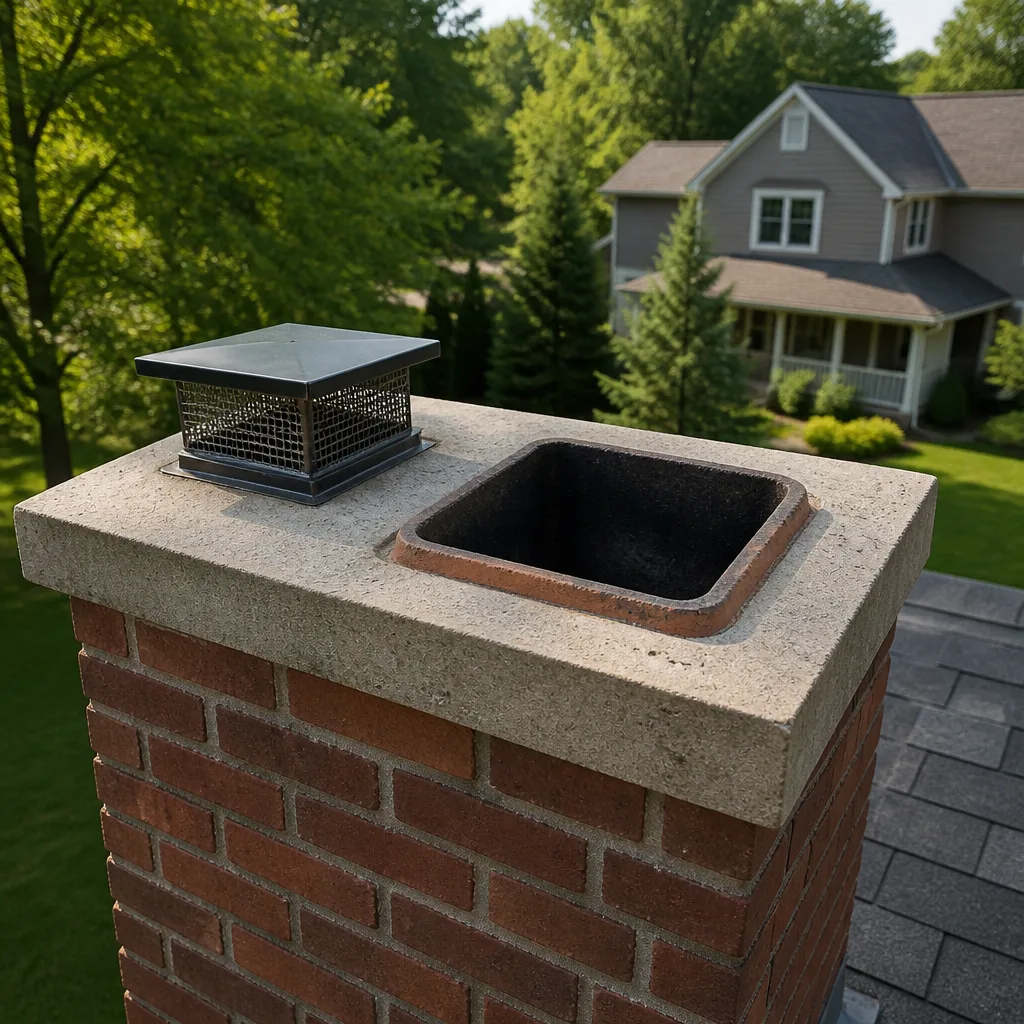 Sweep & inspection
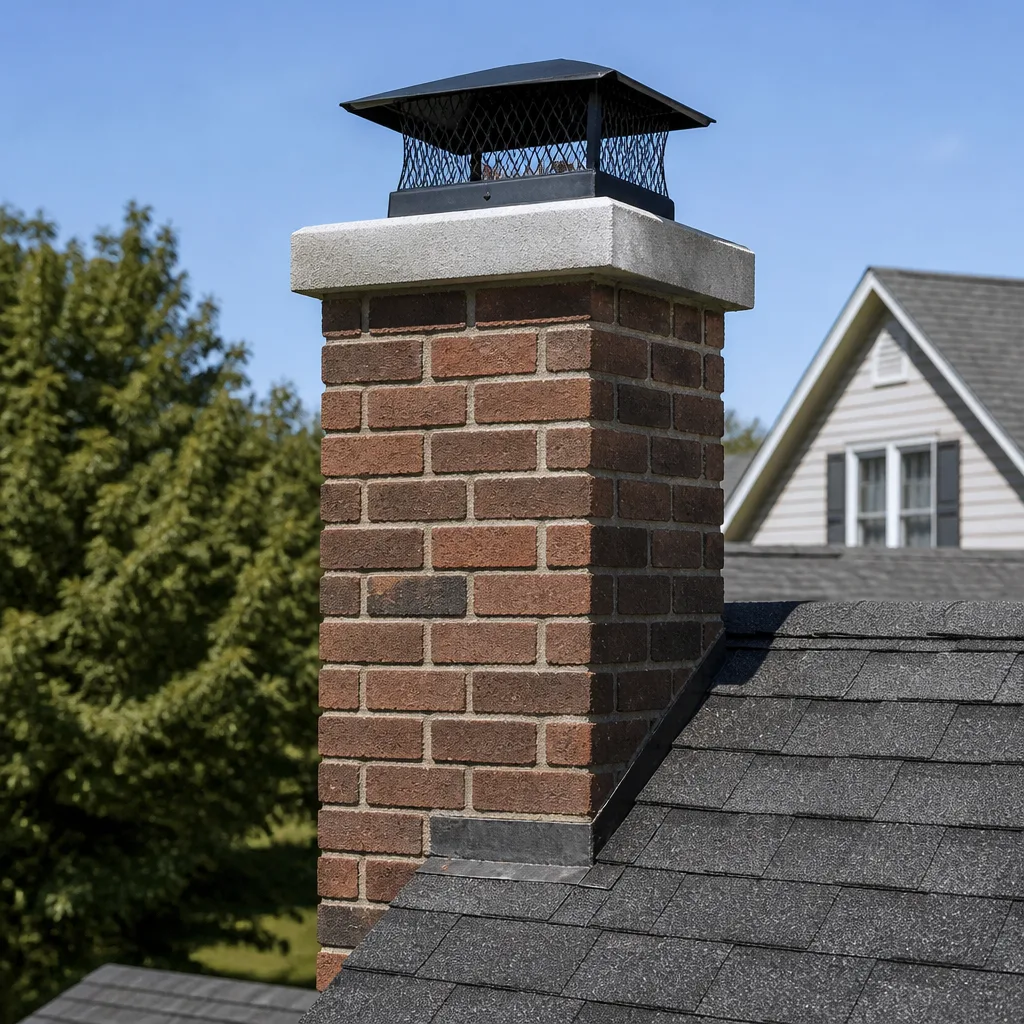 Caps & crowns
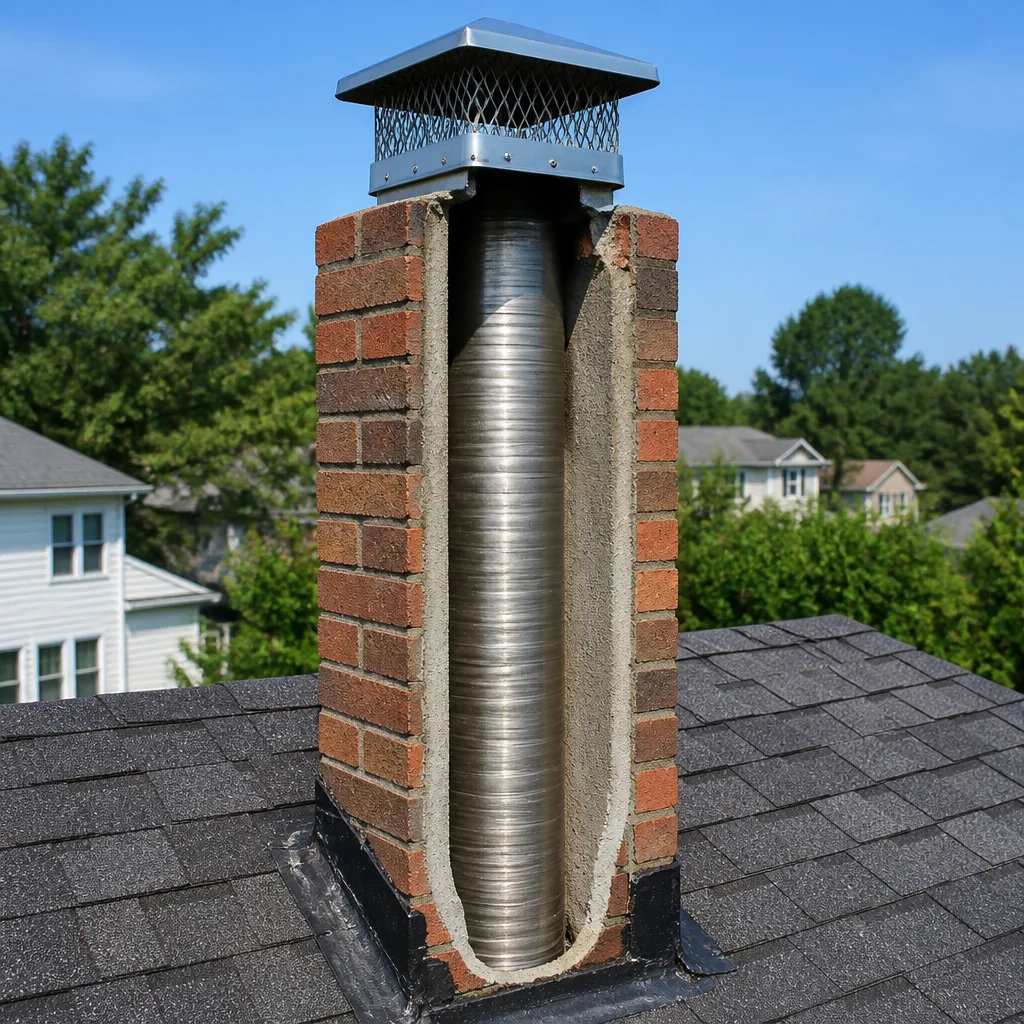 Flue relining
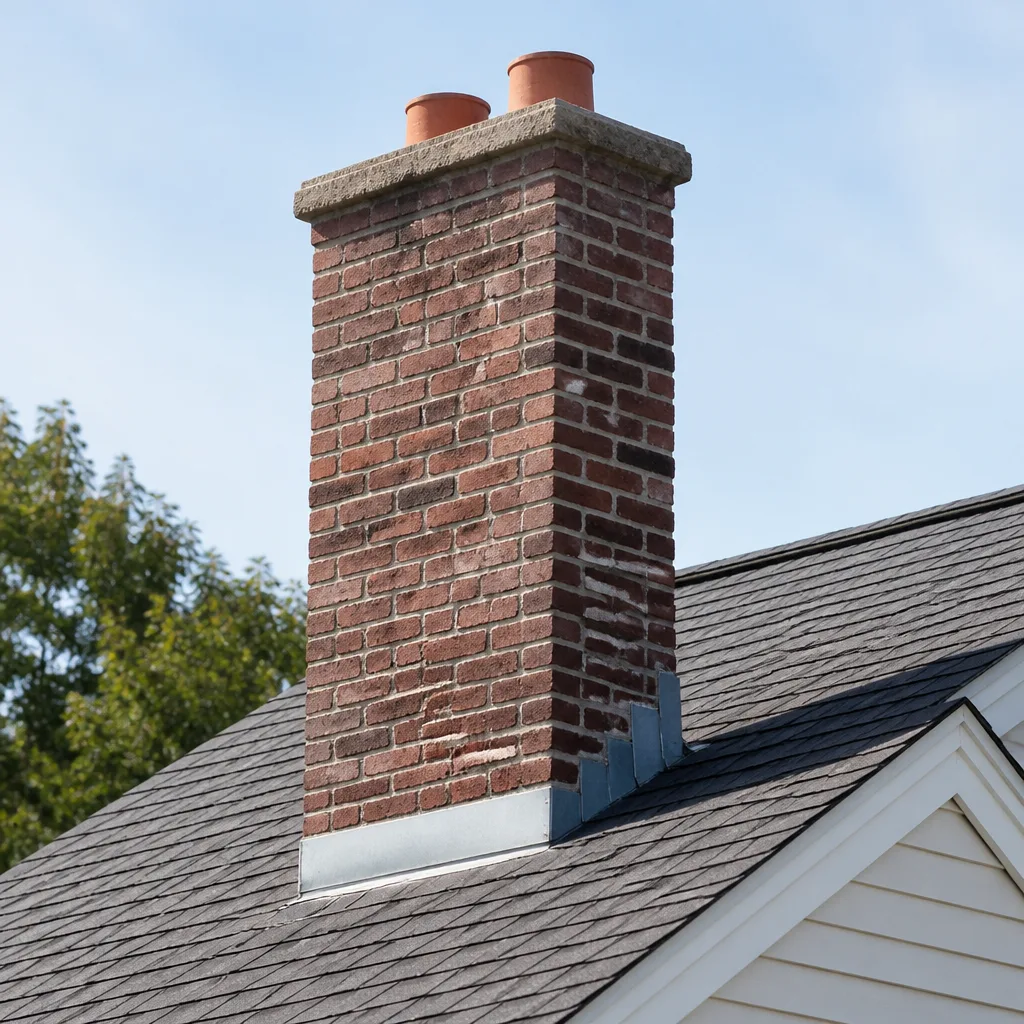 Masonry repair
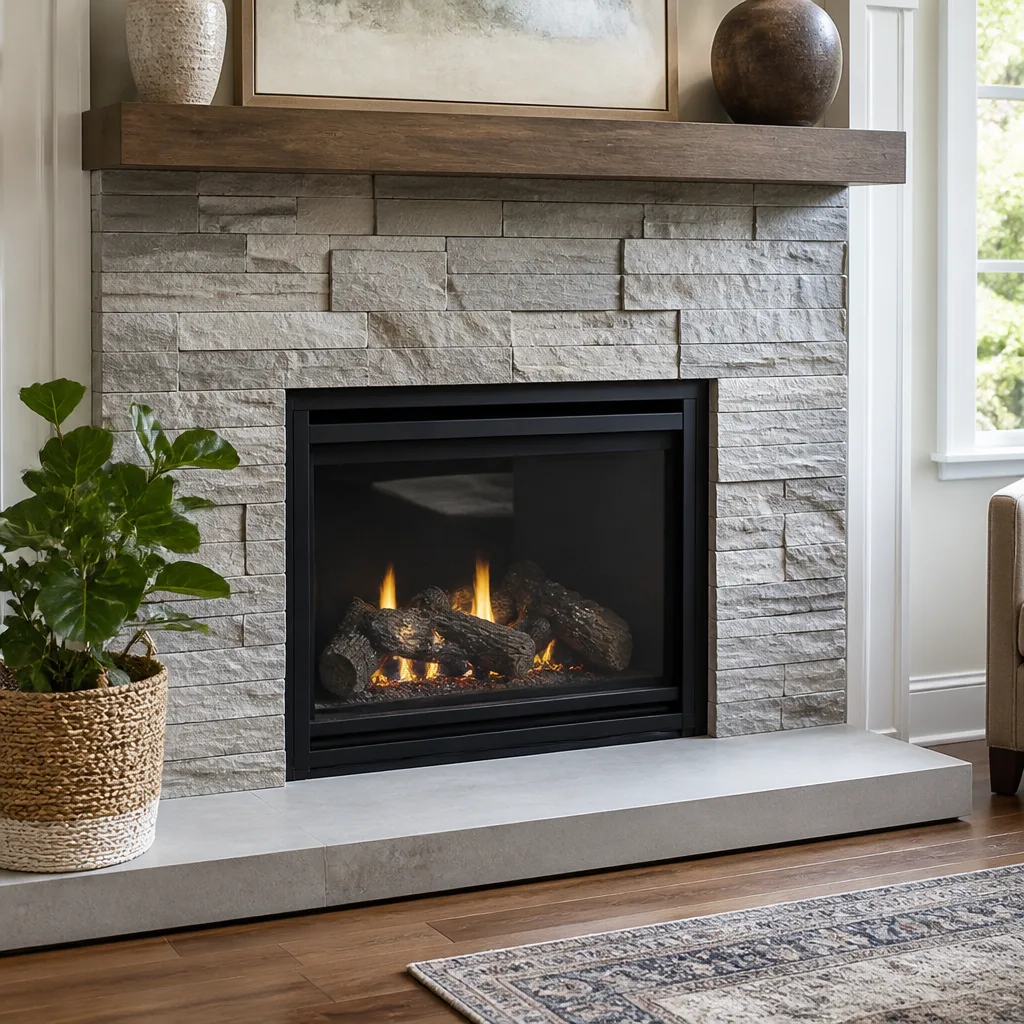 Gas fireplace service
Level 1 sweep and inspection to the NFPA 211 annual standard - flue, crown, cap, and flashing checked and photographed
Chimney sweep logs do not sweep chimneys. They loosen some creosote - which then falls where a brush and vacuum still have to collect it.
The Complete Guide to Chimney Cleaning in Boca Raton
Most chimney cleaning guides are written for homes in Ohio or Vermont that burn through cords of wood every winter. If your fireplace in Boca Raton gets used a dozen evenings a year, that generic advice isn’t just irrelevant; it may cause you to miss the problems that actually threaten your home. In a humid, subtropical climate, the slow damage usually isn’t creosote buildup. It’s moisture, animal intrusion, and cracked masonry you never see from the living room. This guide explains what chimney care really looks like in Boca Raton, how inspections are structured, when cleaning is genuinely needed, and how to tell a clean chimney from a safe one.
Quick Answer
Chimney cleaning in Boca Raton means removing soot, creosote, and debris from the flue and firebox, but for most local homes the more important work is inspecting for moisture damage, cracked mortar, failed crowns, and animal nests that build up fast in a humid climate. Even lightly used fireplaces should be inspected once a year and swept when the inspection shows a real buildup. A professional sweep is about diagnosis as much as cleaning.
Styles & brands we work with
- Sweep & inspection
- Caps & crowns
- Flue relining
- Masonry repair
- Gas fireplace service
Table of Contents
- Why Chimney Care in Boca Raton Is Different From What You Read Online
- How Often Should a Chimney Be Cleaned in Boca Raton?
- Moisture, Animals, and the Real Threats to a Low-Use Fireplace
- Level 1 vs Level 2 Inspections: What Each One Covers
- What Professional Chimney Cleaning Actually Involves
- A Clean Chimney and a Safe Chimney Are Not the Same Thing
- Repair Paths: Relining, Resurfacing, and Capping
- What Chimney Cleaning Costs in Boca Raton
Why Chimney Care in Boca Raton Is Different From What You Read Online
Chimney problems follow the climate. Up north, the enemy is creosote: heavy wood burning in cold weather coats the flue with a flammable glaze that has to be removed before it ignites. Here, the enemy is water and the things water invites. Boca Raton’s humid air, heavy summer rain, and long stretches of warm weather create a very different failure pattern than a cold-climate guide describes.
Three local factors shape how chimney care works here:
- Low wood-burning volume. A fireplace used a dozen times a season builds creosote slowly. That means the annual sweep finds less soot than a northern sweep would, and the inspection findings matter more than the cleaning itself.
- Year-round humidity. Moisture moves into masonry and flue tiles and stays there. It works on mortar joints, crowns, and any crack it can find, and unlike ice damage it never takes a season off.
- Wildlife pressure. An uncapped chimney is prime real estate for birds, squirrels, and raccoons, and nesting season here is long. Debris and nests block the flue, and blocked flues are a carbon monoxide risk.
This is why a Boca Raton chimney sweep is a different job than a northern one. We sweep, but the real value is in the inspection and the repair path that follows. A competent provider covers all three phases: chimney sweep work, inspection, and chimney repair. When cleaning and repair live with different vendors, findings get passed back and forth and nobody owns the final answer. Locally, that fragmentation is where problems hide.
How Often Should a Chimney Be Cleaned in Boca Raton?
Chimney experts generally recommend an annual inspection for any chimney, and a sweep whenever the inspection shows enough buildup to warrant it. For most Boca Raton homeowners, that pattern works out to an inspection every year and an actual cleaning less often than a national guide suggests. A commonly cited rule is to sweep when creosote reaches roughly a quarter inch on the flue walls, but the honest answer for a lightly used fireplace is that inspection drives the schedule.
Here’s the practical breakdown for local homes:
- Fireplace used a few times a year: inspect annually, sweep when the inspection calls for it.
- Wood stove or insert used as a real heat source through cool months: inspect annually, and expect sweeping more often because inserts and stoves burn hotter and more consistently.
- Fireplace unused for a season or more: still inspect annually. Neglected chimneys collect moisture damage, animal nests, and debris even when no fire has been lit.
- After storm debris or a visible water stain: don’t wait for the annual schedule. Get eyes on it.
There’s a trap in “we never use it.” A chimney that sits idle in a humid climate is not a chimney that sits still. Masonry absorbs moisture, mortar softens, and a flue that never has a fire in it can still develop cracks that let combustion gases from a connected appliance, or from the house itself, move the wrong way. That’s why we recommend inspection regardless of use.
Moisture, Animals, and the Real Threats to a Low-Use Fireplace
In our experience, the biggest difference between chimney care here and chimney care in a cold climate is that moisture does more damage than fire ever will. Creosote is a combustion risk and it matters, but it builds slowly in a low-use fireplace. Water damage builds relentlessly, all year, whether or not you light a fire.
Where water gets in and what it does:
- Crown cracks. The crown is the concrete cap at the top of the chimney. Cracks let rainwater straight into the masonry below, and once inside, it softens mortar and works toward the flue.
- Missing or failing caps. No cap means rain, birds, squirrels, and debris get in. A cap with a spark screen solves all of it at once, and it’s part of the same visit when we can.
- Deteriorated mortar joints. Soft mortar lets in more water, which softens it further. The cycle speeds up in humid weather, and a joint that looked fine two seasons ago may not be.
- Cracked flue tiles. Flue liners can crack from heat cycling even with light use. A cracked liner lets gases and moisture reach the surrounding masonry and the house structure.
Then there’s the animal side. An open chimney chase is an ideal nesting spot, and animals here get an early and long start. Nests and debris block the flue. That’s a carbon monoxide hazard if you fire the fireplace and a moisture trap if you don’t. A stainless cap and screen from a brand like Gelco closes the door on the problem, and we can install it as part of the same visit as the inspection.
Level 1 vs Level 2 Inspections: What Each One Covers
A chimney inspection isn’t a single thing. The industry standard sorts inspections into three levels, and knowing the difference matters when someone tells you what your chimney needs. A Level 1 covers what’s accessible during routine service; a Level 2 is more thorough and is the right call whenever the chimney has changed, been damaged, or you’ve just bought the house.
What each level covers:
- Level 1 inspection. Readily accessible parts of the chimney and venting: the firebox, the damper, the accessible flue, and the visible exterior. It’s the routine annual check. If you’ve used the fireplace normally and nothing has changed, this is usually enough.
- Level 2 inspection. Everything in a Level 1 plus the accessible portions of the attic, crawl space, and other areas around the chimney. The flue is examined more closely, often with a camera. This is the appropriate level after a chimney fire, after a storm, after any change in fuel or appliance, and when you’ve bought a home and don’t know the chimney’s history. If a liner is suspect, this is how you confirm it rather than guess.
- Level 3 inspection. When a Level 1 or 2 turns up a serious defect, parts of the chimney or structure may need to be opened up to look further. It’s reserved for the rare case where access requires it.
For a Boca Raton home, a Level 1 is the normal yearly check. A Level 2 makes sense any time the chimney’s condition is unknown, which is common after a sale. If you’re unsure which you need, we’ll tell you what we’re looking for and why, not just what we’re charging. That’s the opposite of using inspection as a sales pitch. We report specific deficiencies, and if the chimney is fine, we say so.
What Professional Chimney Cleaning Actually Involves
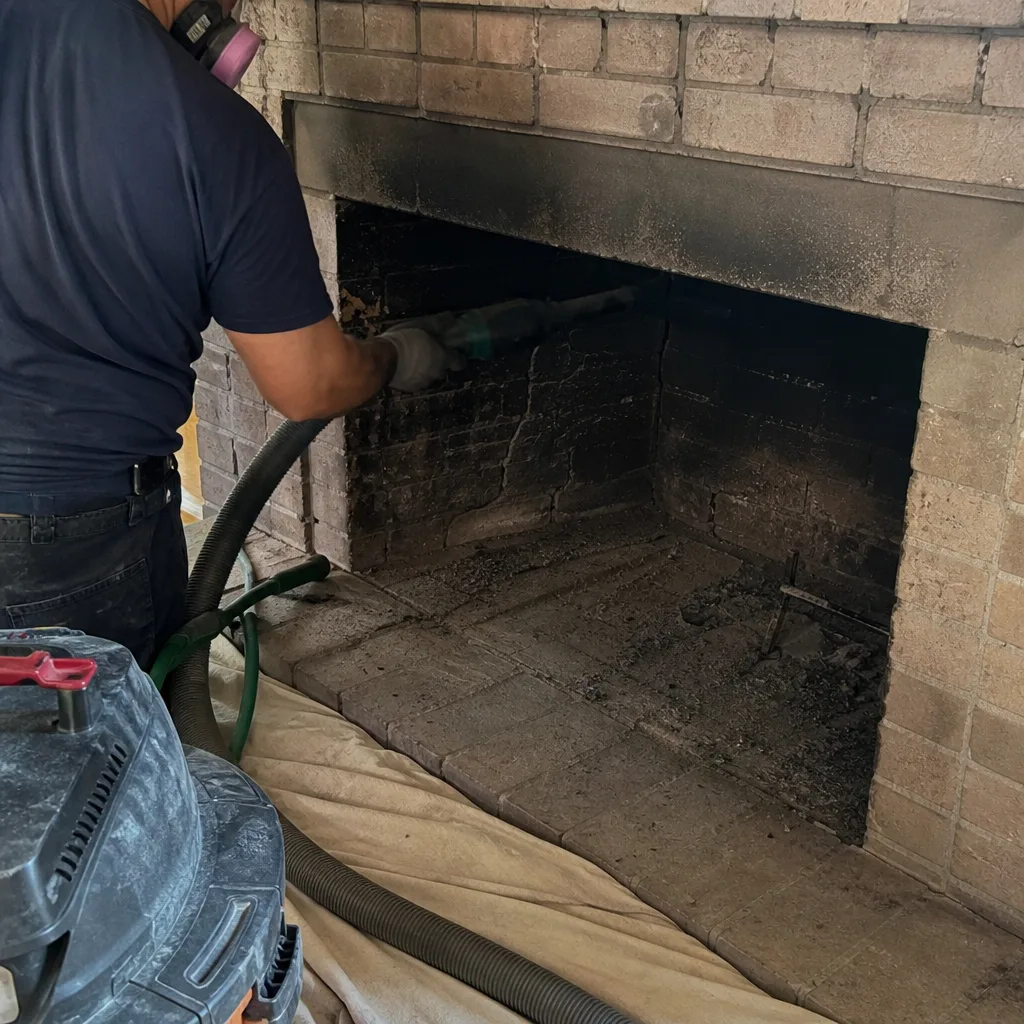
A proper cleaning is a controlled, methodical job, not a brush on a pole. The tools matter. Rotary cleaning systems use a powered spinning head that follows the flue and scours the walls as the brush turns, which reaches buildup that a straight push-and-pull brush leaves behind. Those are the systems professional chimney technicians carry, and they’re the difference between a cleaning that removes creosote and one that just knocks the loose stuff off.
A typical professional cleaning follows a sequence:
- Protect the room. Drop cloths and a sealed work area keep soot and dust out of the house.
- Inspect first. We look before we sweep, so anything fragile or already damaged is known before a brush touches it.
- Sweep the flue. Rotary cleaning removes soot and creosote from the flue walls.
- Sweep the firebox and smoke chamber. The firebox, damper, and smoke chamber above the damper all collect deposits.
- Clear the top. The cap and crown are checked and cleaned, and so is any screen. Faulty caps and venting get flagged right there.
- Inspect again and report. We finish with a clear account of what we found and what, if anything, needs fixing now versus later.
What a handyman brings is often a vacuum and a brush. That handles a tidy dusting. It doesn’t address a cracked liner, a soft mortar joint, or a failing crown, and it can’t tell you the difference between a chimney that looks clean and one that’s structurally sound. We work with professional-grade materials for the repair side. HeatShield lets us resurface a deteriorated flue interior without tearing the chimney apart, and DuraFlex flexible liners can reline chimneys with bends or offsets that a rigid liner can’t follow. Those product lines matter to the outcome, and they’re the ones a generalist rarely carries.
A Clean Chimney and a Safe Chimney Are Not the Same Thing
This is the mistake we see most often, and it isn’t the homeowner’s fault. A chimney can be swept spotless and still be unsafe, because “clean” describes what’s on the surfaces while “safe” describes whether the structure and venting work. A flue that’s free of soot but lined with cracked tiles, or a chimney whose mortar has gone soft from years of moisture, can look perfectly clean from the living room and behave badly in use.
The practical difference:
- Clean means no soot, creosote, or debris on the flue and firebox surfaces.
- Safe means the flue liner is intact, the joints are sound, the crown and cap are doing their job, the damper operates, and combustion gases leave the house as they should.
Visual “looks clean” carries real risk because the things that matter most are often the least visible. A hairline crack in a flue tile or a soft joint behind a firebox doesn’t announce itself. It shows up in an inspection with the right tools, or it shows up later in a way nobody wants. When you call us, the point of the inspection is to make the difference between clean and safe visible to you. We tell you exactly what we found and what evidence supports it, and short of a photograph or a camera pass you can see for yourself, we don’t recommend work. That principle keeps honest findings honest.
Repair Paths: Relining, Resurfacing, and Capping
When an inspection turns up a problem, the fix depends on what’s actually damaged. Not every issue calls for a full rebuild. In our experience, a lot of chimneys that get quoted a rebuild only need a targeted repair, and a curved or offset flue doesn’t automatically mean a teardown either. The right path is set by the inspection, not by the easiest thing to sell.
The three common repair paths:
- HeatShield resurfacing. When the flue’s interior is deteriorating but the structure is otherwise sound, resurfacing rebuilds a smooth, protective interior without removing the chimney. It’s the credible middle ground between doing nothing and a full liner replacement.
- DuraFlex relining. When a flue needs a new lining and the chimney has bends, offsets, or a non-straight path, a flexible stainless system from DuraFlex can follow the flue where a rigid liner can’t. The reline restores a sound flue for the appliance connected to it.
- Capping and venting. A failing cap lets water and animals in. A proper stainless cap with a screen, from Gelco or a comparable product line, seals the top and keeps wildlife out. We install it as part of the same visit when the job allows.
The brands matter because they’re built for the job. The same visit can sweep the flue, inspect it, resurface a flaky interior, and cap the top. A homeowner shouldn’t have to line up three separate contractors to get a chimney back to sound condition, and the accountability for the result shouldn’t be split across vendors. If you’re in the city, our Boca Raton page has the local details for how we schedule and what to expect.
What Chimney Cleaning Costs in Boca Raton
Pricing depends on the chimney, the amount of buildup, and whether a repair is needed, so any honest number is a range. The written estimate sets the final price, and it’s free. Here’s a plain breakdown of the common line items:
- Routine sweep and inspection: priced per job, based on the number of flues and condition. The estimate is free and comes before any work is booked.
- Level 2 inspection: more thorough and priced accordingly, since it covers more of the chimney and may include a camera pass.
- Resurfacing (HeatShield): quoted per job once the flue’s condition is confirmed.
- Relining (DuraFlex): quoted per job based on flue length, bends, and configuration.
- Cap installation: quoted with the cap and screen, and often done during the same visit as the inspection.
We don’t quote a dollar figure before looking at the chimney, and we don’t talk you into a liner or a rebuild you don’t need. If a repair can safely wait, we’ll tell you that too. A sweep and an honest report are the foundation, and any repair we recommend rests on evidence we can point to. A written estimate makes the price final and the scope clear. When you’re ready, call (877) 685-2248 for a free estimate. We answer 24/7. Fast dispatch from 7am to 7pm, Sunday through Friday.
Common Mistakes to Avoid
- Treating “clean” as “done.” A spotless flue that’s never been inspected for cracks or moisture damage can still be a fire and carbon monoxide risk. Ask for the inspection, not just the sweep.
- Skipping the annual check because you barely burn wood. In Boca Raton, the quiet chimney is often the one with the most moisture and animal damage, because no fire has been driving anything out.
- Running an uncapped chimney. An open flue is a hotel for birds and squirrels, and a blocked flue is a serious hazard. A proper cap and screen is simple protection.
- Hiring a generalist for a chimney job. A brush and a vacuum won’t find a cracked liner or a failing crown, and they can’t resurface or reline. The diagnosis is the valuable part.
- Letting a repair wait because you’re not seeing smoke. Some structural problems don’t announce themselves in the living room. If the inspection showed a defect, find out whether it can safely wait before you decide.
- Letting a chimney sit through a humid off-season without a look. Moisture damage doesn’t wait for the season, and a spring inspection catches problems while they’re small.
- Assuming a quote for a rebuild is the only option. A deteriorating flue interior can often be resurfaced. Ask whether a repair like HeatShield will do the job before you accept a teardown.
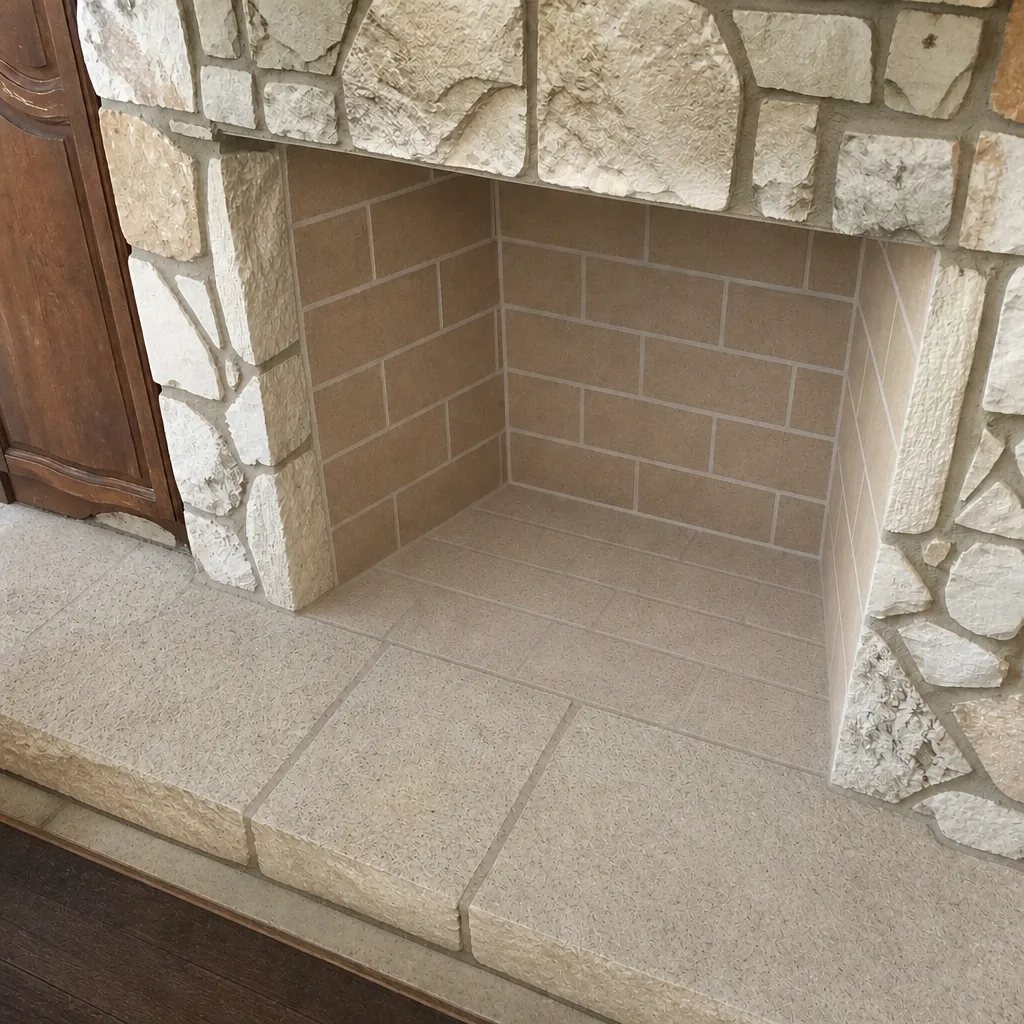
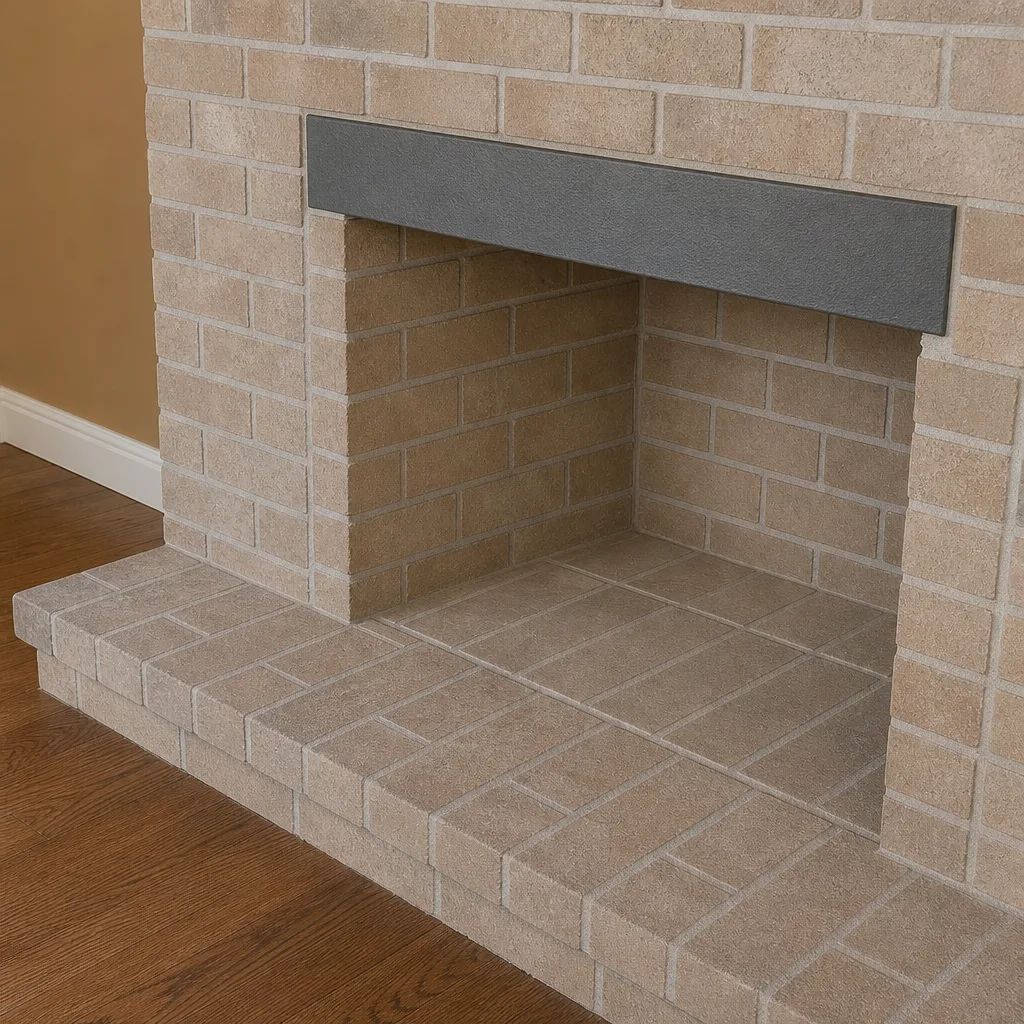
See the difference
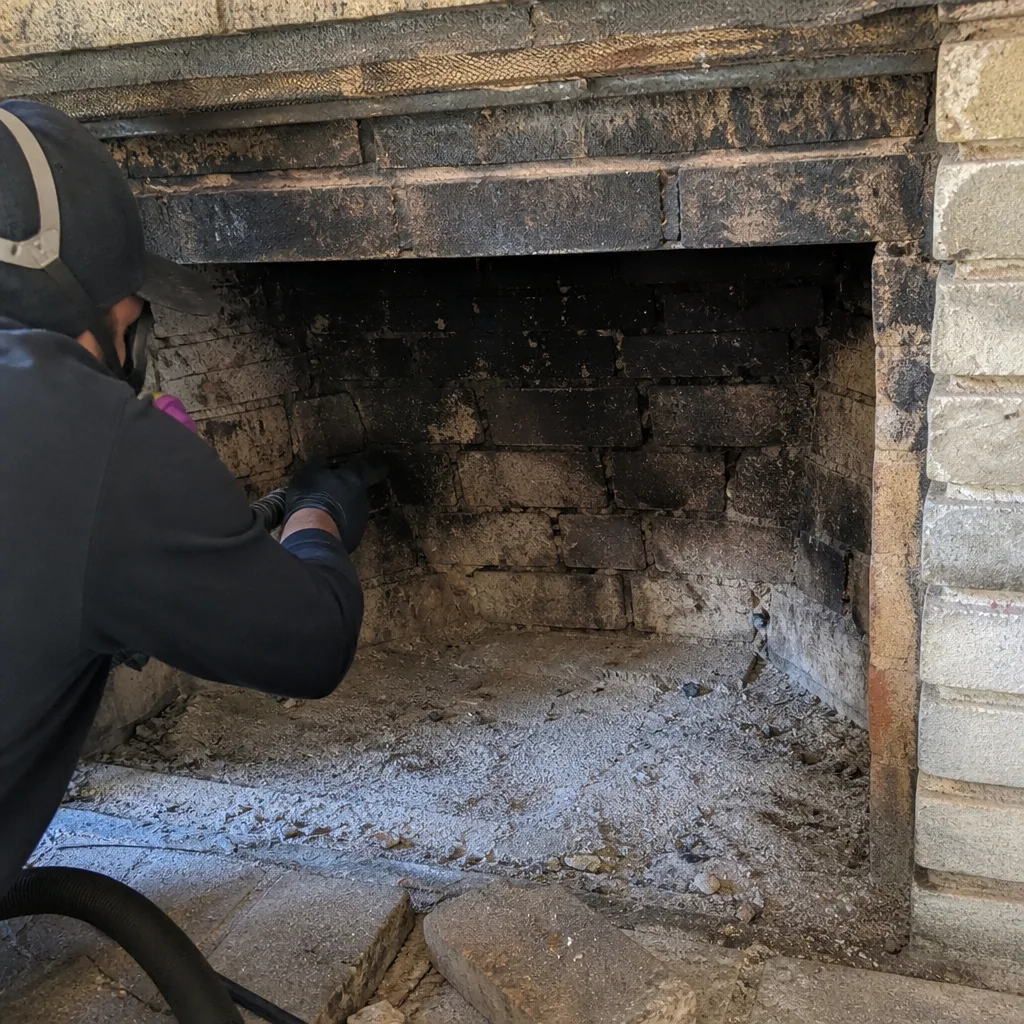 Before
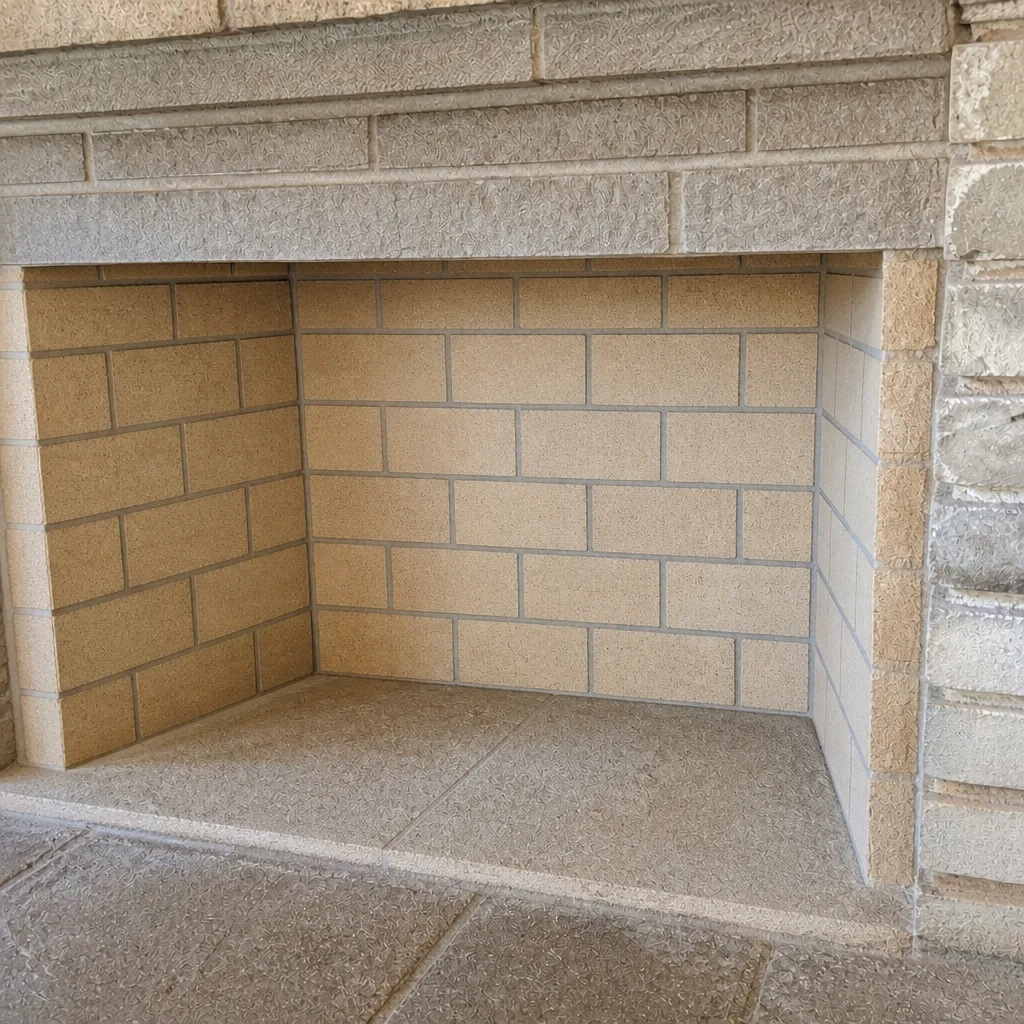 After
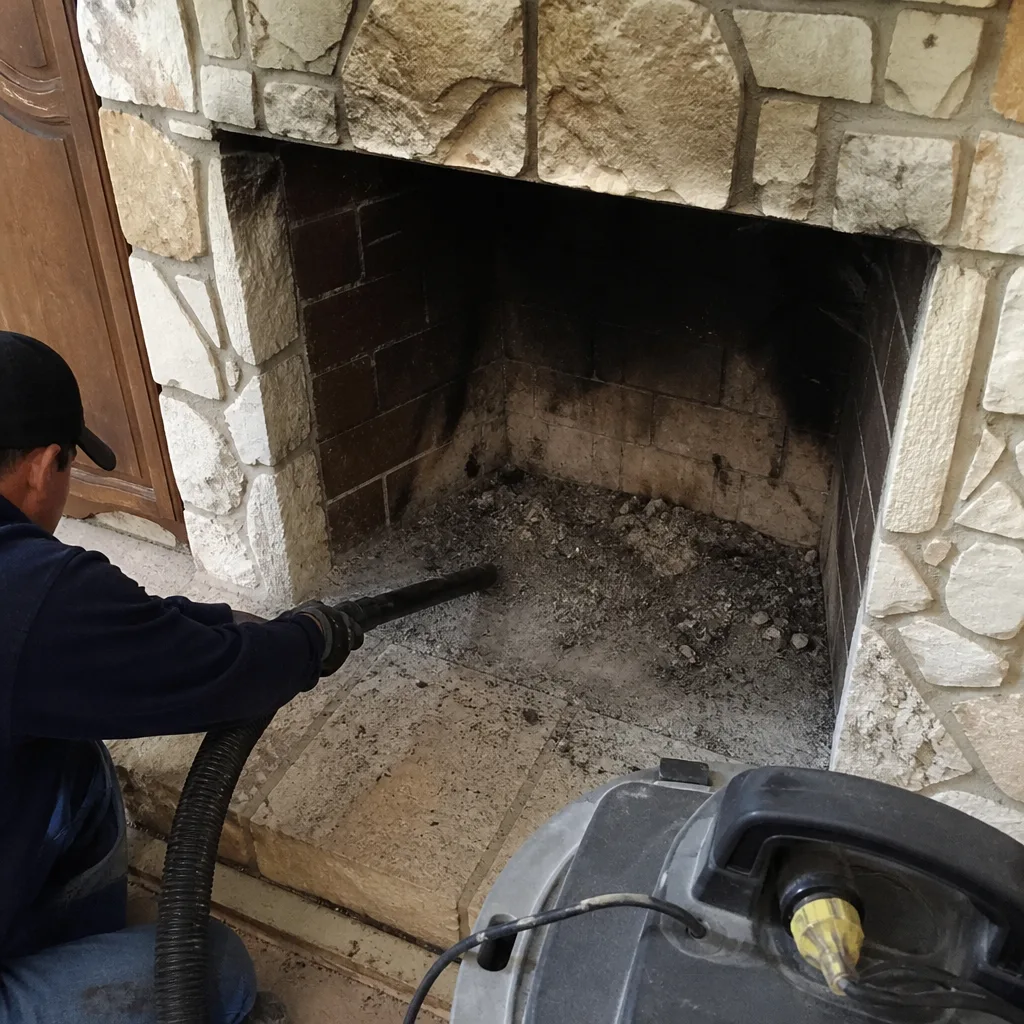 Before
 After
 Before
 After
When to Call a Professional
Some chimney situations are a routine booking, and some are a call you should make now. Call us if you’ve just bought a home and don’t know the chimney’s history, because that’s a Level 2 situation and it’s better handled before the first fire. Call if you smell smoke or a musty odor in the house when the fireplace is off, if you see water stains near the chimney or attic, if there are animal sounds in the flue, or if the visible crown or masonry is cracked. Call after a storm or any event that may have damaged the top of the chimney. And call for the annual inspection even when nothing’s wrong. Chimney Sweep Boca Raton offers free estimates in Boca Raton. Call (877) 685-2248. We answer 24/7. Fast dispatch from 7am to 7pm, Sunday through Friday.
Frequently Asked Questions
A sweep is priced per job, based on the number of flues and the chimney’s condition, and the written estimate sets the final price. The estimate itself is free, so you’ll know the scope and the cost before anything is booked. Call (877) 685-2248 for an exact quote. Estimates are free.
Any chimney should be inspected annually, and swept when the inspection shows real buildup. For most Boca Raton fireplaces used a few times a season, that means yearly inspection with a cleaning on a less frequent as-needed basis. If you use a stove or insert through cool months, expect sweeping more often.
Only if the inspection shows the liner is genuinely compromised, and we’ll show you why before recommending it. Sometimes a deteriorating flue interior can be resurfaced with HeatShield instead of fully relined, and sometimes a chimney with bends is best served by a flexible liner. We don’t recommend a liner on a hunch. Call (877) 685-2248 and we’ll tell you what we find.
Skipping it means creosote and debris can build up and ignite, and it also means slow damage like cracked tiles, soft mortar, and animal nests goes unnoticed. In a humid climate the structural problems are the bigger concern because they develop quietly. A blocked or cracked flue can let smoke and carbon monoxide into the house instead of up and out.
A clean chimney has no soot or crud on its surfaces; a safe chimney also has an intact liner, sound joints, a working crown and cap, and correct venting. A chimney can be spotless and still have cracks or moisture damage that make it unsafe. That’s why an inspection matters as much as the sweep.
Yes. Low use is exactly the pattern that makes moisture damage and animal intrusion easy to miss, and a yearly look catches both while they’re small. It also gives you a documented baseline so a future problem is easier to judge. Call (877) 685-2248 to book a free estimate.
The Bottom Line
Chimney care in Boca Raton is less about soot and more about moisture, animals, and structure, because a humid climate attacks a quiet chimney year-round. Every chimney deserves an annual inspection, and a sweep when the inspection says so. Know the difference between a clean chimney and a safe one, ask for the level of inspection your situation actually needs, and insist on a repair recommendation that rests on visible evidence. A provider who sweeps, inspects, and repairs under one service relationship keeps accountability simple. If you’re ready for a look, call (877) 685-2248 for a free estimate. We answer 24/7. Fast dispatch from 7am to 7pm, Sunday through Friday.
Written by the team at Chimney Sweep Boca Raton.