
Last updated November 16, 2026
 Sweep & inspection
 Caps & crowns
 Flue relining
 Masonry repair
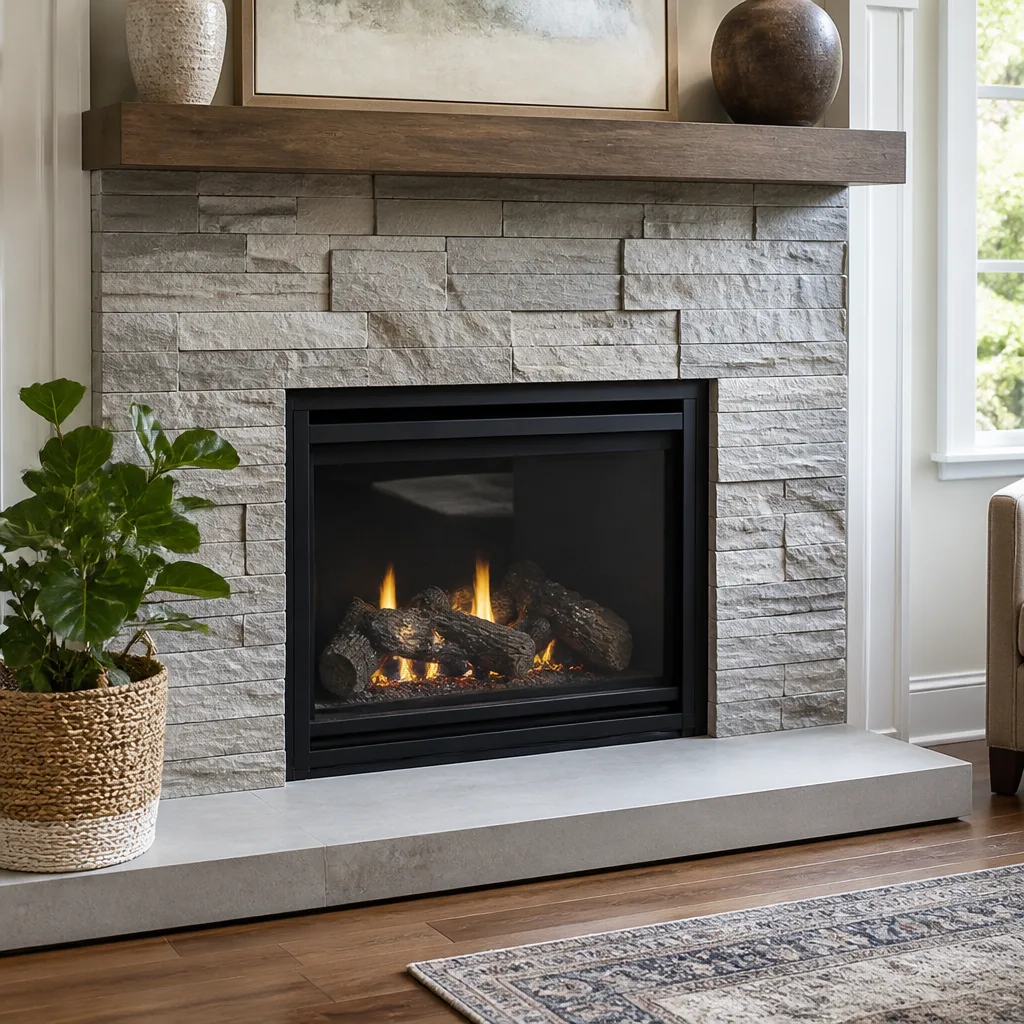 Gas fireplace service
Level 1 sweep and inspection to the NFPA 211 annual standard - flue, crown, cap, and flashing checked and photographed
Chimney sweep logs do not sweep chimneys. They loosen some creosote - which then falls where a brush and vacuum still have to collect it.
Seasonal Chimney Cleaning Care for Boca Raton: Year-Round Homeowner’s Guide
Most chimney care advice you’ll find online was written for a house that spends five months under snow. Boca Raton doesn’t have that house. Our fireplace season runs roughly October through April, our wet season runs May through September, and the single most damaging event in a typical year isn’t cold – it’s a named storm crossing Palm Beach County in August. A calendar copied from a mid-Atlantic guide will have you sweeping in the wrong month and checking the wrong things at the wrong time. This guide lays out a year-round chimney care calendar built for Boca Raton’s actual climate, from cap and crown checks before hurricane season to the post-storm walkthrough before your first fire in the fall.
Quick Answer
In Boca Raton, chimney care should follow two seasons rather than four: pre-hurricane season preparation in late spring (cap, crown, damper, screen) and post-storm assessment before the first fire of the fall, with sweeping scheduled in spring for low-use fireplaces that sit dormant through the humid summer. A properly capped and inspected chimney handles South Florida’s wet season far better than one that’s checked only in the fall, and annual inspection is the single habit that protects both flue integrity and indoor air quality.
Styles & brands we work with
- Sweep & inspection
- Caps & crowns
- Flue relining
- Masonry repair
- Gas fireplace service
Table of Contents
- Why Boca Raton Has Two Chimney Seasons, Not Four
- The June Checklist: Preparing Before Hurricane Season
- Post-Storm Assessment: What to Check After a Named Storm
- Why Spring Beats Fall for Scheduling a Cleaning
- The Summer Humidity Window and What It Does Inside Your Flue
- A Month-by-Month Chimney Care Calendar for Boca Raton
- Liner Health, HeatShield, and DuraFlex: What Repair Actually Looks Like
- What a Real Inspection Should Tell You
Why Boca Raton Has Two Chimney Seasons, Not Four
A homeowner in Ohio thinks about the chimney twice a year: once in fall before the first fire, once in spring when the heating season ends. A homeowner in Boca Raton is working with a different set of pressures. Fireplace use here is concentrated into a cooler, drier stretch that generally runs from October into April, and the other half of the year is defined by heat, humidity, and storm activity. That’s not a small scheduling detail – it changes which maintenance tasks matter and when they’re worth doing.
The northern model assumes winter weather stresses the chimney from the outside. The South Florida model assumes the wet season stresses it from the inside, driving moisture into any opening the cap or crown is supposed to be sealing, and that a single hurricane or tropical system can move debris, water, and organic material into a flue faster than a whole winter of ordinary use. That’s why the calendar below treats late spring and post-storm recovery as the two critical checkpoints.
It’s also why sweeping for a lightly used Boca Raton fireplace often makes more sense in spring than in fall. If a chimney sees only a couple dozen fires a season, the creosote load is light, and pulling that load out before the humid months gives the flue a cleaner, drier summer. Fall cleanings still have their place for heavy users and for anyone who skipped the previous year, but the default here runs the other direction.
One more local factor: many homes in Boca Raton were built with fireplace and venting systems that see only occasional use, which means problems develop slowly and silently. A chimney that isn’t used much still takes on moisture, still weathers at the crown, and still needs the cap intact. Infrequent use does not equal low maintenance. If anything, the low-use chimney is the one most likely to surprise a homeowner, because nobody’s been watching it closely.
The June Checklist: Preparing Before Hurricane Season
By the time a storm has a name, it’s too late to fix a loose cap or a cracked crown. The work worth doing happens in the quiet stretch before hurricane season peaks – late May into early June is the natural window. Here’s what a pre-season chimney check covers, and why each item matters in Boca Raton’s climate:
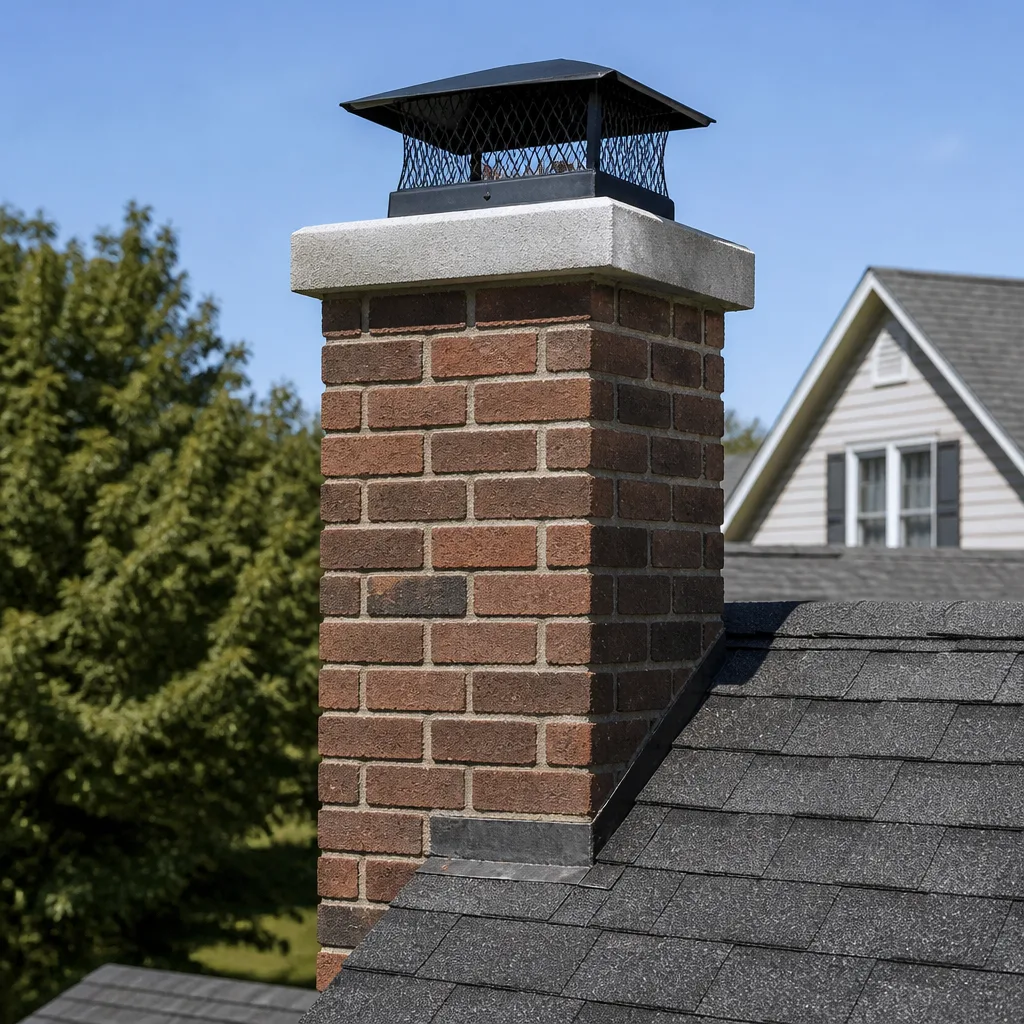
- Chimney cap and its fasteners. The cap is the roof over your flue. It keeps rain out, keeps animals out, and keeps wind-driven debris from dropping straight into the liner. Check that it’s seated, that the fasteners are holding, and that the screen or mesh is intact rather than rusted through or torn. A cap that’s already loose is a projectile in high wind, and what it leaves behind is an open flue.
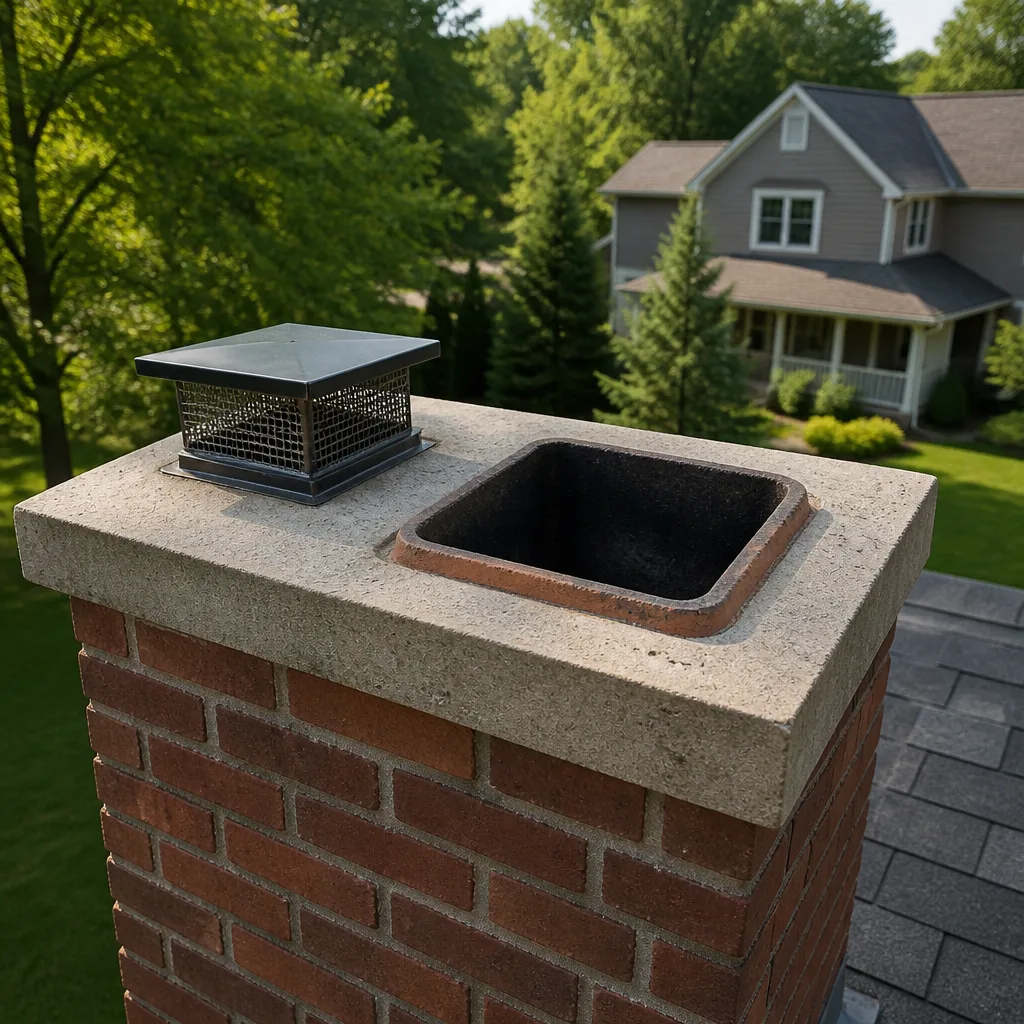
- Crown and top-seal condition. The crown is the sloped masonry cap around the top of the chimney. Hairline cracks are common with age and sun exposure, and hairline cracks are exactly where wind-driven rain gets in. Sealing the crown before the wet season is one of the least expensive preventive tasks on the whole list.
- Damper operation. Open and close it by hand and feel whether it seats fully. A damper that doesn’t close all the way lets humid summer air into the firebox and up the flue for months. A damper that sticks open, or is rusted in place, is a moisture path.
- Spark screen integrity. Torn screen lets birds and squirrels nest in the flue, and nests are both a fire risk and a blockage risk. Check it in June, not after you hear scratching in October.
- Flashing at the roof line. The metal flashing that seals the chimney to the roof is a leak point on any home. Have it looked at while someone is already on the roof for the cap check.
Caps and venting components in our toolkit include Gelco and Famco products, which means the cap that’s failing in June can usually be replaced in the same visit as the inspection rather than becoming a separate contractor call in September.
Post-Storm Assessment: What to Check After a Named Storm
Once a named storm has passed through Palm Beach County, the chimney deserves a look before you light the first fire of the season – even if the house itself looks fine from the ground. Storm damage to a chimney is often invisible from the driveway. Caps get displaced. Screen gets torn. Wind pushes debris and water into the flue. None of that announces itself.
Here’s a practical order for post-storm checks. The first several are things you can observe yourself from the ground or with binoculars. Items further down the list are best left to a trained professional with the right access and lighting.
- Look at the chimney from the yard. Is the cap still sitting squarely? Is anything obviously hanging, leaning, or missing? Is the crown visible and intact?
- Check the firebox and damper from inside. Look for water staining, debris that’s fallen down, or a damper that no longer seats. If you see water, the source is above.
- Smell the firebox. A musty or earthy smell after a storm suggests moisture inside the flue. That’s a sign to have it looked at before use, not after.
- Have the flue inspected before the first fire if anything at all looks off – cap, crown, water, debris, or an unfamiliar smell. A camera inspection shows you exactly what’s inside, which is the entire point of having one done.
If the storm passed without incident and the year has been otherwise quiet, a routine Chimney Sweep Boca Raton appointment still gets you the sweep, the inspection, and a professional eye on the whole assembly in one visit. Post-storm timing doesn’t need to be immediate panic. It needs to be before the first fire.
Why Spring Beats Fall for Scheduling a Cleaning
Fall cleaning is the default in most of the country because the heating season starts in the fall. In Boca Raton, the opposite logic usually wins. For a moderately used fireplace, spring is the better time to schedule the annual cleaning, and here’s why:
- Clean before the humid months, not after. Creosote and soot hold moisture. A flue that goes into May clean and dry has far less opportunity to support mold growth over the summer than one carrying a season’s residue.
- Small problems get caught in spring. A cap that’s starting to loosen or a crown with new cracks is much easier to address in April than in September when you’re trying to get on a schedule. Spring inspection gives you a whole wet season of lead time.
- Fall slots are the busiest. Everyone remembers the chimney in October. Spring appointments are easier to book and easier to fit around your schedule.
- Heavy users still clean in fall. If your fireplace runs most nights from October through April, an additional cleaning at the end of the season makes sense. The point isn’t to abandon fall cleanings, it’s to stop treating fall as the only time the chimney gets attention.
A good rule: light-use fireplaces clean in spring, and add a fall cleaning only if the chimney saw heavy use or sat more than a year without attention. Heavy-use fireplaces clean twice. One visit a year in either season is not a substitute for an honest look at the flue.
The Summer Humidity Window and What It Does Inside Your Flue
From roughly May through September, Boca Raton sits in its wet season. Warm, humid air and frequent rain are the everyday conditions. For a chimney, the practical consequence is that any pathway for moisture into the flue becomes active for five months, not five days. A missing cap, a cracked crown, a poorly seated damper, or failed flashing: each of those is a small opening in June that becomes a moisture route by August.
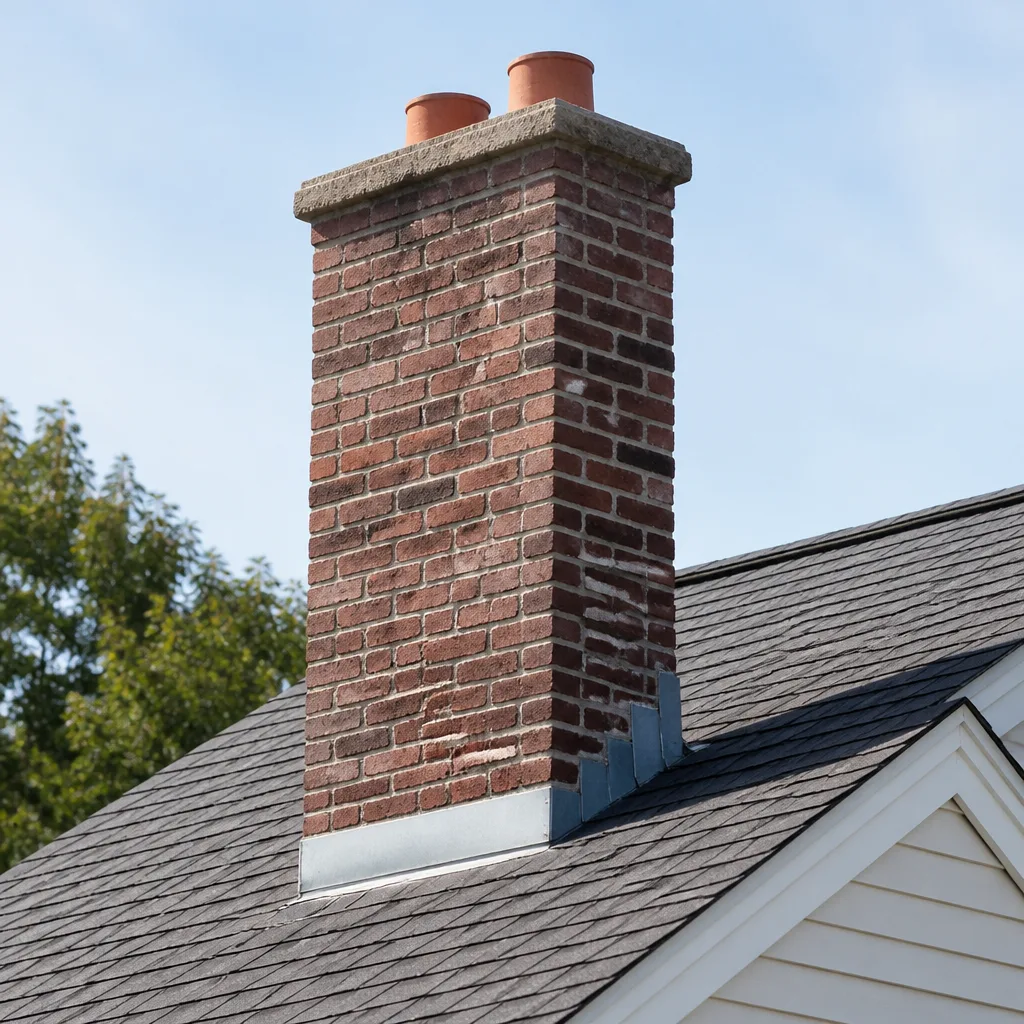
What’s actually happening inside is worth understanding. Masonry and clay tile liners are porous. When humid air sits against a cool inner surface, or when rain enters and pools, the masonry absorbs water. Over time that moisture works at the mortar joints and can push mineral deposits to the surface – whitish, powdery patches that look like mold or salt bloom and often signal moisture moving through the masonry. That’s the “efflorescence” you may see referenced in chimney care articles: a visible sign that water is getting in and finding its way out through the wall.
Where a flue stays wet and warm for weeks, mold can develop. The result is the earthy, closed-up smell that greets you the first time you open the damper in October, plus a firebox and flue that need cleaning before the season. The fix isn’t complicated. It’s capping the top properly, sealing the crown, and making sure the damper closes. Copperfield and Gelco cap systems are the kind of professional-grade components that solve this at the source. A tight cap in June saves the cleanup in October.
If your home has a vented gas log set or a rarely used fireplace, the humidity problem can be worse because the flue never warms up enough to dry itself. Those are the units that most benefit from a spring cleaning and a cap check before the wet season.
A Month-by-Month Chimney Care Calendar for Boca Raton
Here’s the calendar in one place. It’s built around the two seasons that actually matter locally – pre-hurricane prep and post-storm/first-fire readiness – plus the spring cleaning window for low-use fireplaces.
January and February
Peak fireplace season. Burn only well-seasoned wood, keep the damper open through the burn, and don’t ignore a smell or a draft you didn’t have before. If you notice smoke rolling into the room, stop using the fireplace and get the flue looked at.
March and April
Wind down the season. After your last fire, this is the natural time to book the spring sweep and inspection for light-use fireplaces. Getting it on the calendar in March is easier than trying to book in October.
May
Season closeout. If you’re going to clean, clean before the humidity settles in. Confirm the damper is fully closed and the firebox is clean and dry.
June
The pre-hurricane checklist. Cap, fasteners, crown, flashing, damper, screen. Fix anything that’s loose, cracked, or missing before the wet season peaks. This is the most important month on the local calendar.
July and August
Monitor. If a named storm passes through, do a post-storm assessment before you use the fireplace again. If nothing happens, leave the chimney alone and enjoy the off-season.
September
Pre-season inspection window. Any post-storm repairs should be wrapped up. If the chimney hasn’t been looked at since last fall, this is the outside date to schedule before the first cool night.
October through December
Fireplace season opens. First fire of the year should follow a completed inspection. Heavy users may need a fall sweep on top of the spring one.
Liner Health, HeatShield, and DuraFlex: What Repair Actually Looks Like
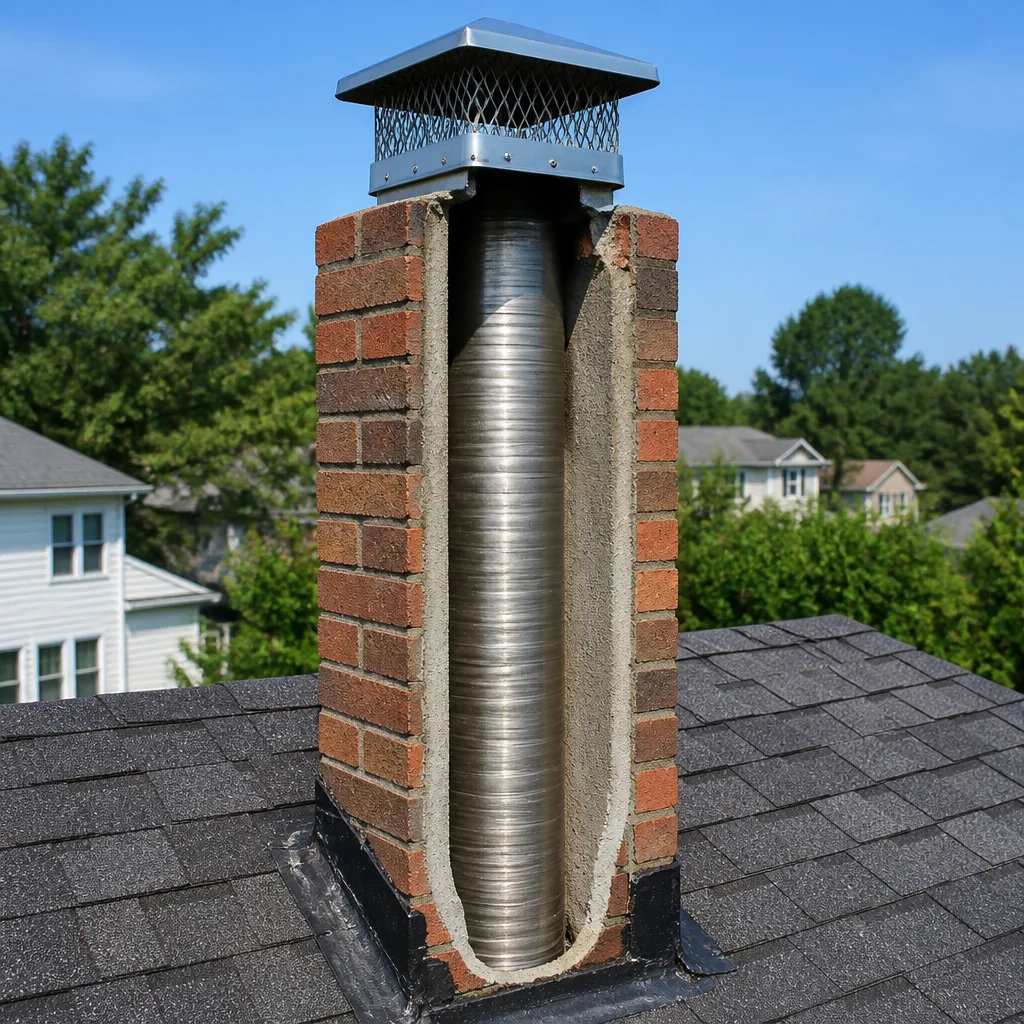
The flue liner is the part of your chimney that does the real work. It carries combustion gases up and out, keeps them away from the wood framing around the masonry, and is the layer most affected by moisture, heat cycling, and time. When a liner deteriorates, you have three realistic paths, and they are not equally expensive.
- Cleaning and continued monitoring. If the liner is intact and the issue was simply a dirty flue, this is the honest answer. We’ll tell you that plainly, because a repair you don’t need costs you money and costs us credibility.
- Resurfacing with HeatShield. When the inside of the flue has deteriorated in a way that hasn’t compromised the structure as a whole, resurfacing restores the interior surface without tearing out the chimney. This is the middle path that most homeowners don’t know exists, and it’s frequently the right answer for older homes in Boca Raton.
- Relining with DuraFlex. When the flue geometry has offsets or bends that a rigid liner can’t follow, a flexible system lets us reline properly. That’s a full replacement of the liner, but not a full rebuild of the chimney.
The reason this matters for a seasonal guide is timing. Liner problems don’t usually announce themselves, and they don’t get better over a summer. If a camera inspection shows deterioration in June, you have months to decide. If it’s discovered the week you want to have people over in December, you’re making the decision under pressure. The spring inspection is what gives you that margin.
Masonry and liner damage is the classic “thousands of dollars” conversation, and it’s exactly where homeowners feel most vulnerable. The way to make it verifiable is a camera inspection with photos you can see for yourself. Nothing is recommended without evidence, and if the answer is “this can wait until next spring,” you should hear that in the same voice as “this needs fixing now.”
What a Real Inspection Should Tell You
A chimney inspection is only useful if it tells you something specific. The best ones read like a report, not a sales pitch. Here’s what a good inspection at a Boca Raton home should cover and report on:
- Cap and crown condition, with an honest assessment of remaining life. “Cracked at the northeast corner, sealable now” is a useful statement. “Failure imminent, requires cap replacement” with no explanation is not.
- Flashing and roof-line seal, checked and described.
- Flue interior condition, viewed by camera and reported with photos. Creosote level, liner condition, any joints that have opened up, and whether the flue is straight or has offsets.
- Damper and firebox, with the damper tested, not just looked at.
- Draft performance and any factors that could affect it, especially if the fireplace sits in a home with tight construction or a vented gas appliance nearby.
- A written opinion on what actually needs doing, divided honestly into “do this now” and “this can wait.”
If a company can’t explain why a repair is necessary in terms you can see for yourself, that’s a signal. An inspection with photos is what turns the conversation from a judgment call about trust into a question of evidence. That’s the whole point of having the camera inspection as part of a routine chimney sweep in Boca Raton rather than an add-on.
Common Mistakes to Avoid
- Copying a northern calendar. Sweeping in October because that’s what the internet says is the classic mistake. In Boca Raton, spring cleaning for light-use fireplaces and a June cap check do more for the chimney than a fall sweep alone.
- Skipping the pre-hurricane check. A loose cap or a crown with new cracks won’t bother you in June, and it will be a real problem in September. The pre-season check is the single most cost-effective item on the list.
- Assuming low use means low maintenance. A fireplace used ten times a year still needs an annual inspection. A chimney doesn’t maintain itself by sitting idle; it just waits for someone to notice.
- Treating a musty smell as a minor annoyance. A musty firebox after the wet season is a moisture signal. It’s worth understanding where the water is coming in before the fall.
- Letting a handyman install a cap or venting. Cap and venting work needs to be sized and sealed to the specific flue. Copperfield and Famco components, correctly installed, are what make the cap an actual seal rather than a lid.
- Accepting a repair recommendation with no photos. If a technican can’t show you what they’re recommending, ask to see it, and if the answer is vague, get a second opinion. You’re not being difficult; you’re being a responsible homeowner.
- Burning unseasoned wood to stretch a cooler evening. Green wood produces more creosote and more smoke, exactly what a humid climate is already working against. Seasoned wood is the cheaper choice over time.
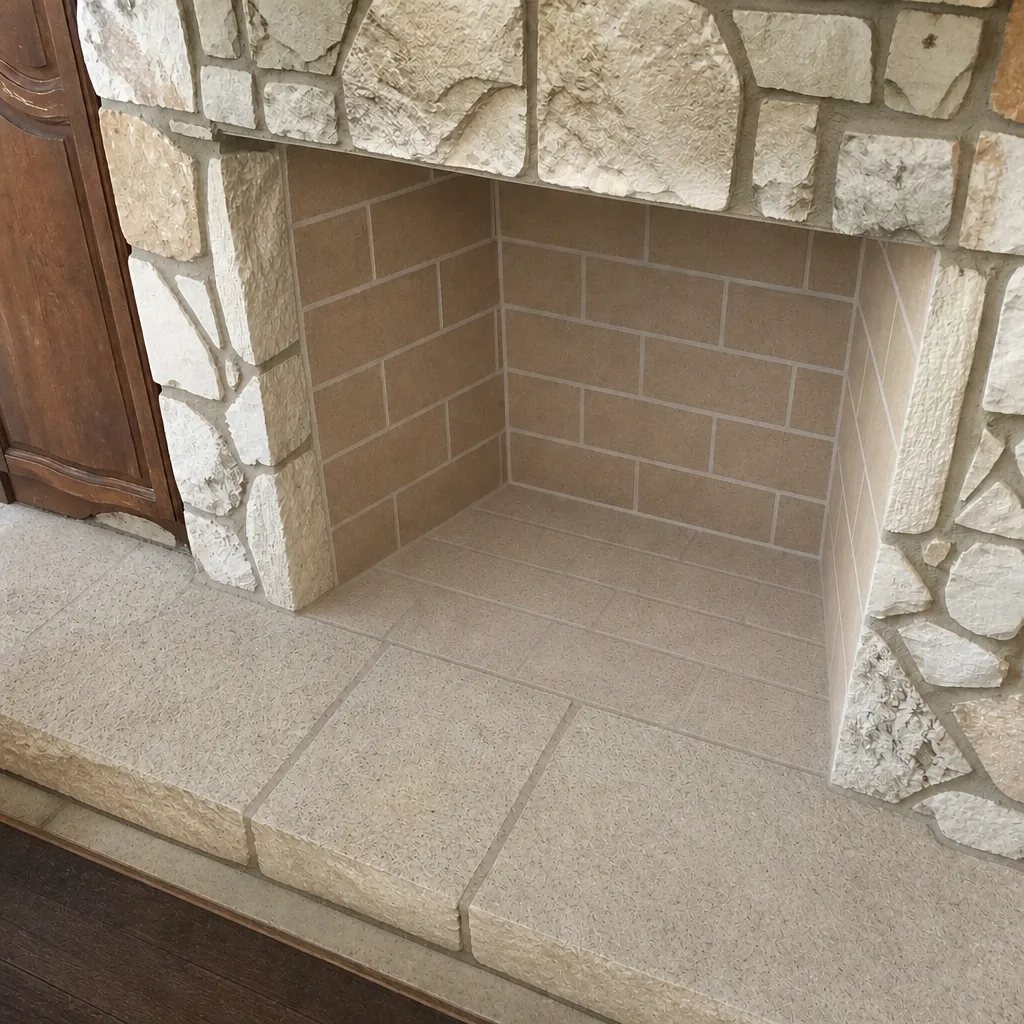
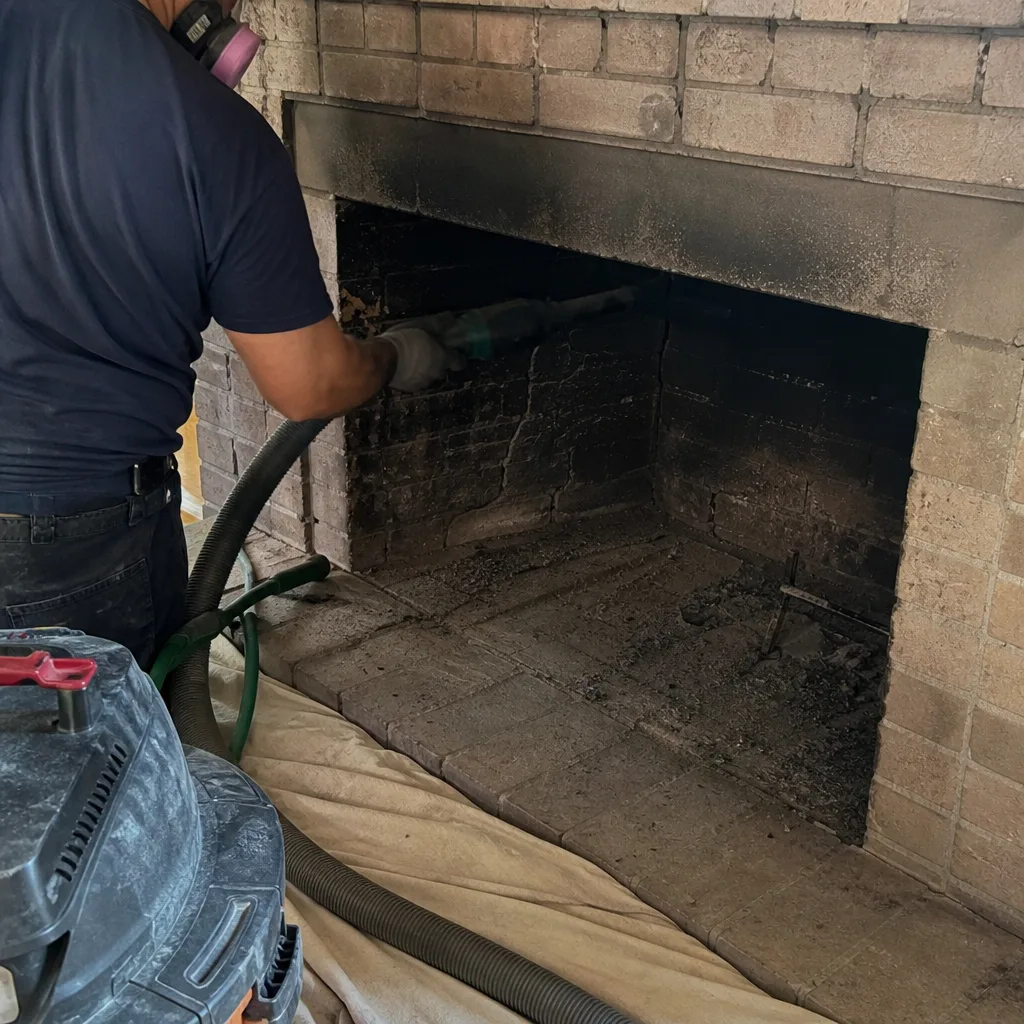
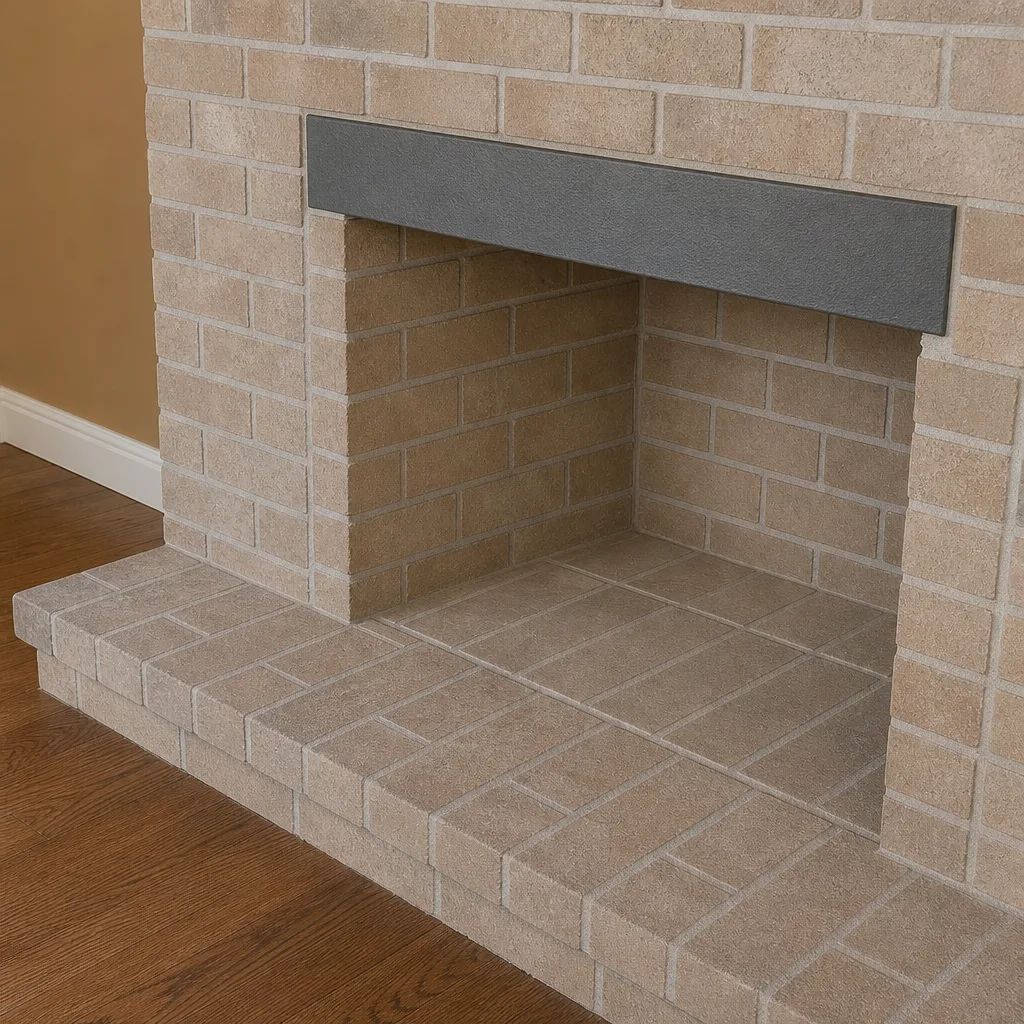
See the difference
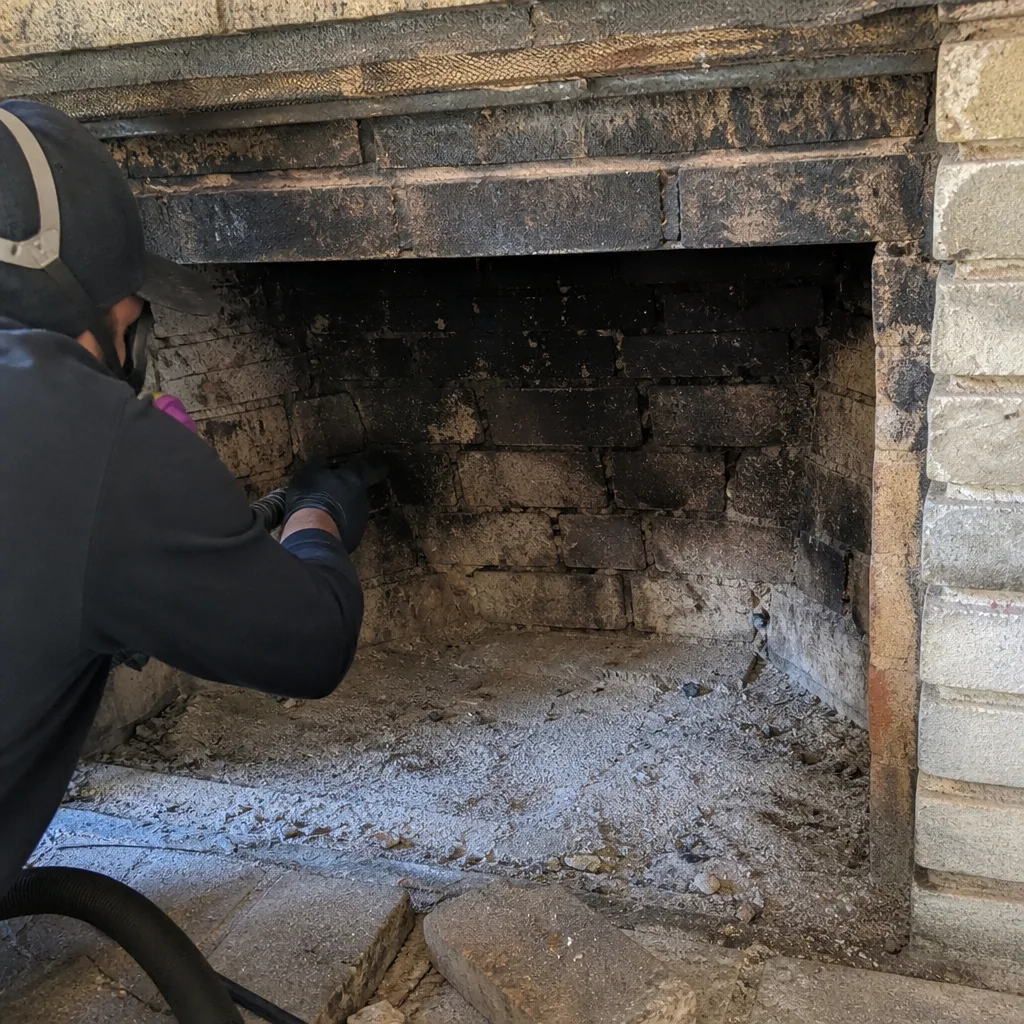 Before
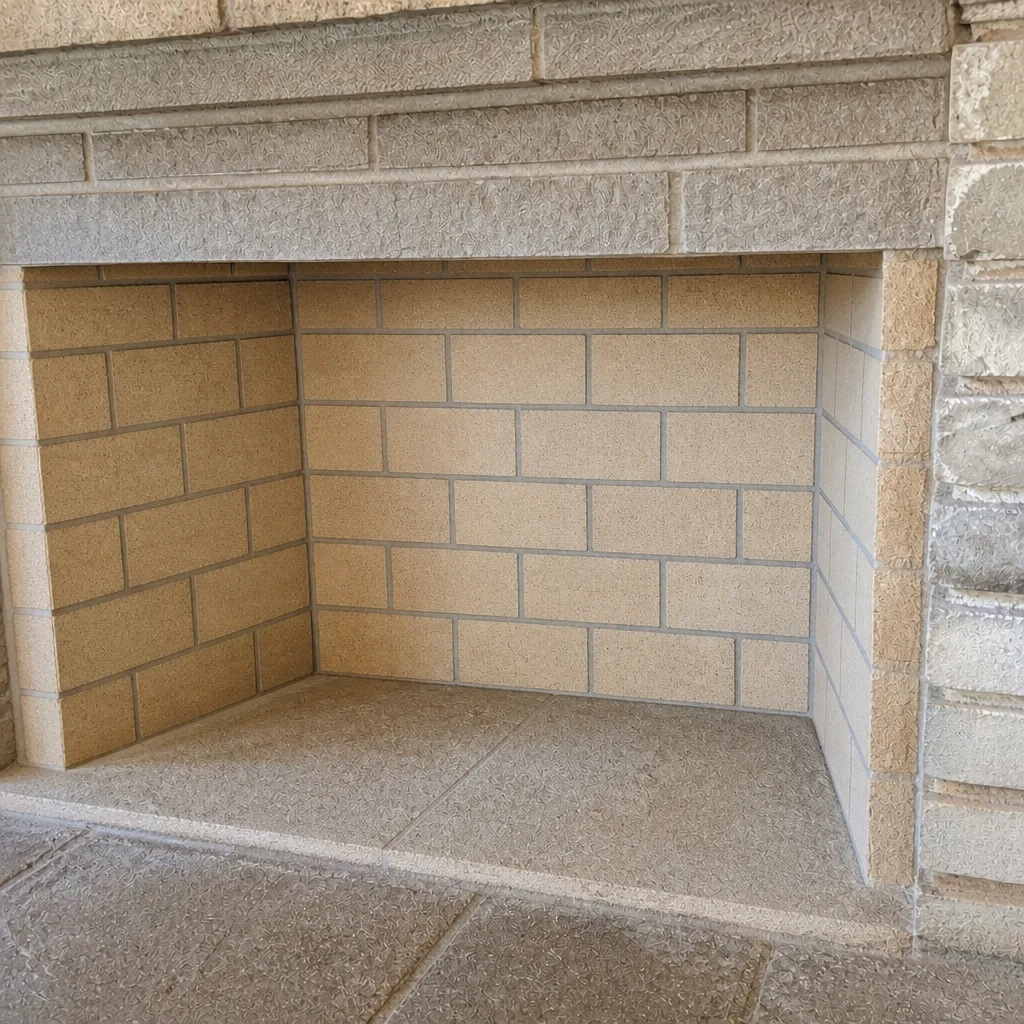 After
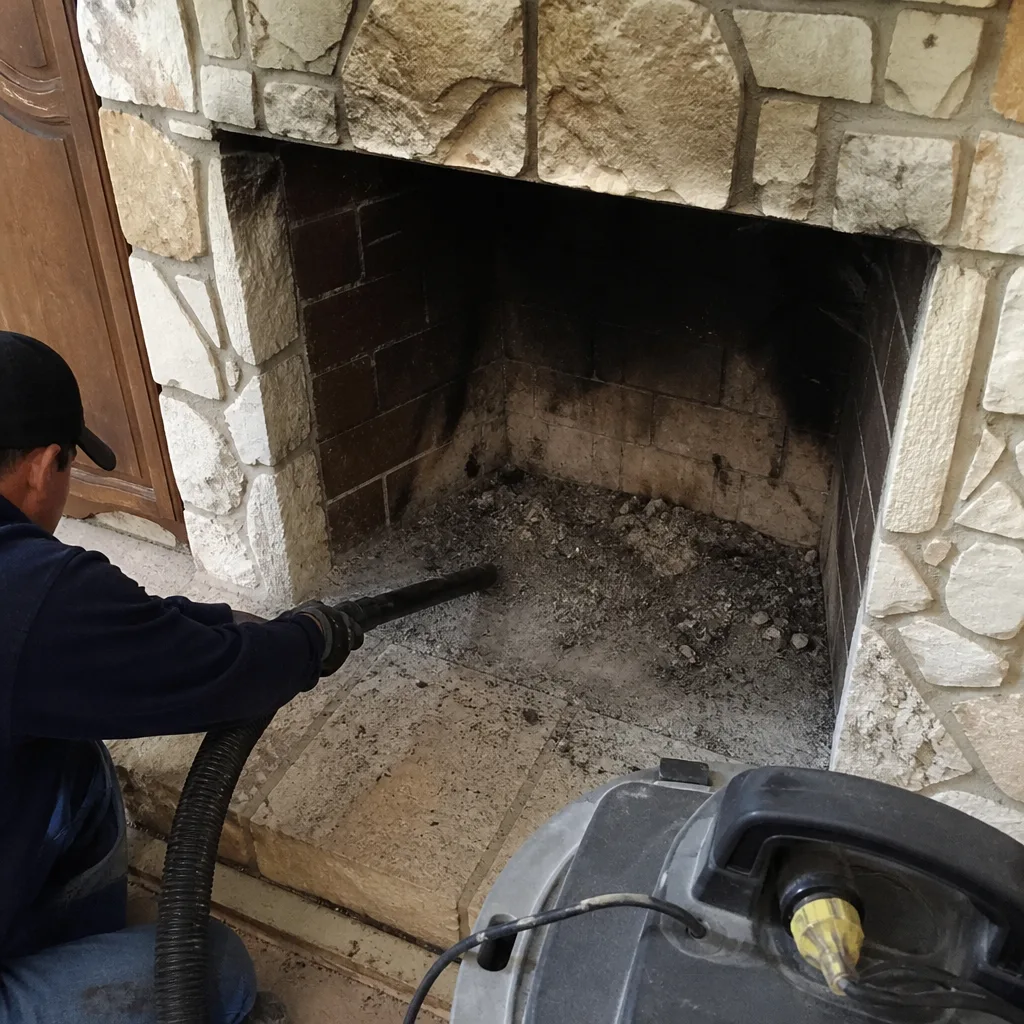 Before
 After
 Before
 After
When to Call a Professional
Some chimney work is routine scheduling; some is a call the day you notice it. Call a professional immediately if you see water in the firebox after a storm, smell gas at the fireplace or in the flue area, see soot or debris fall into the firebox on its own, or notice smoke rolling into the room instead of up the flue. These are not “next month” problems. Routine situations – the pre-hurricane cap and crown check, the spring sweep for a low-use fireplace, the post-storm assessment before the first fire, and the annual inspection – are what a scheduled visit is for. Chimney Sweep Boca Raton offers free estimates in Boca Raton. Call (877) 685-2248. We answer 24/7. Fast dispatch from 7am to 7pm, Sunday through Friday. Our technicians have up to 14 years of experience, and we handle sweeping, inspection, and repair under one service relationship so you’re not coordinating two contractors for one chimney.
Frequently Asked Questions
Once a year for most homes, with the timing shifted to spring for light-use fireplaces and fall added for heavy users. The right answer depends on how much you burn and what the inspection finds. A fireplace used a handful of times per season typically needs one sweep and one inspection per year. A chimney that saw a full season of evening fires may need cleaning twice. Call (877) 685-2248 for an exact quote on a sweep – estimates are free.
Not usually, and we say so when we don’t. A liner replacement is only the right call when the existing liner is genuinely compromised, and there are often middle options like a HeatShield resurfacing that restore a deteriorating flue without a full replacement. The way to know is a camera inspection with photos you can review yourself. Nothing gets recommended without evidence you can see. Call (877) 685-2248 if you want that inspection done – estimates are free.
Yes, and it’s arguably more necessary for low-use chimneys than for busy ones. A chimney that’s used infrequently still takes on moisture during the wet season, still weathers at the cap and crown, and doesn’t have anyone watching it. An annual inspection finds small problems while they’re still small, which is where the money is saved. Call (877) 685-2248 for an inspection quote – estimates are free.
Small problems compound: creosote builds up, moisture works deeper into the masonry, caps and crowns degrade, and a repair that would have been modest after one year becomes a larger job after three. Nothing dramatic happens on a schedule – which is exactly why it’s easy to skip, and why the inspection exists. If it’s been a few years, book the inspection and let the photos tell you what shape things are in. Call (877) 685-2248 – estimates are free.
Look from the ground first – cap, crown, and anything obviously displaced. If everything looks fine, a professional inspection is still worth doing before the first fire, especially after a storm with real wind. If anything looks off, don’t use the fireplace until it’s been inspected. A camera inspection is the only way to know what’s inside the flue. Call (877) 685-2248 once the storm has passed and we’ll get you on the schedule – estimates are free.
No. Pricing is set per job by the written estimate, and the estimate is free. The urgent question in Boca Raton isn’t the day of the week – it’s whether the work gets done before hurricane season or before the first fire. The calendar matters more than the clock. Call (877) 685-2248 for an exact quote on your chimney’s needs – estimates are free.
The Bottom Line
Boca Raton’s chimney calendar has two real checkpoints, not four: the June pre-hurricane check (cap, crown, damper, screen, flashing) and the post-storm and pre-season inspection before the first fire. Spring is the better season to sweep a low-use fireplace, and the humid window from May through September is what punishes a chimney with a compromised cap or crown. Get the inspection done with a camera and photos, take the “it can wait” answers seriously, and don’t let a small June problem become a September repair. If you want the whole sequence handled under one relationship – sweeping, inspection, and repair – that’s what a scheduled chimney sweep, a documented annual inspection, and a chimney repair relationship with the same company is for.
If your chimney hasn’t had a look since last season, or you’re not sure what shape it’s in after the last storm, call (877) 685-2248 for a free estimate. We answer 24/7. Fast dispatch from 7am to 7pm, Sunday through Friday. We serve homeowners across Boca Raton, from the historic downtown to the neighborhoods west of the turnpike, and we’ll tell you exactly what we find, with photos you can see for yourself.
Written by the team at Chimney Sweep Boca Raton.